Building strength, improving fitness, and achieving your body goals often start with the right equipment and nothing beats a barbell weight set for versatility and effectiveness. Whether you’re setting up a home gym or looking to supplement your workouts at a commercial gym, a barbell set allows you to perform a wide range of exercises, from squats and deadlifts to bench presses and curls.
Unlike machines or single-use tools, barbells offer progressive overload, meaning you can increase the weight as your strength grows, making them suitable for beginners and advanced lifters alike.
But with so many types, materials, and weight combinations available, choosing the right barbell set can feel overwhelming. In this comprehensive guide, we’ll break down everything you need to know from types and benefits to buying tips, maintenance, and essential exercises so you can confidently invest in a barbell weight set that fits your fitness goals and lifestyle.
What is a Barbell Weight Set?
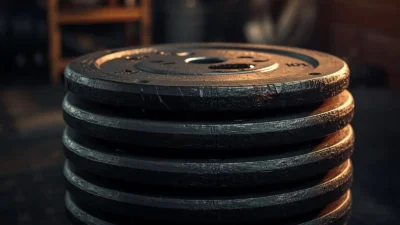
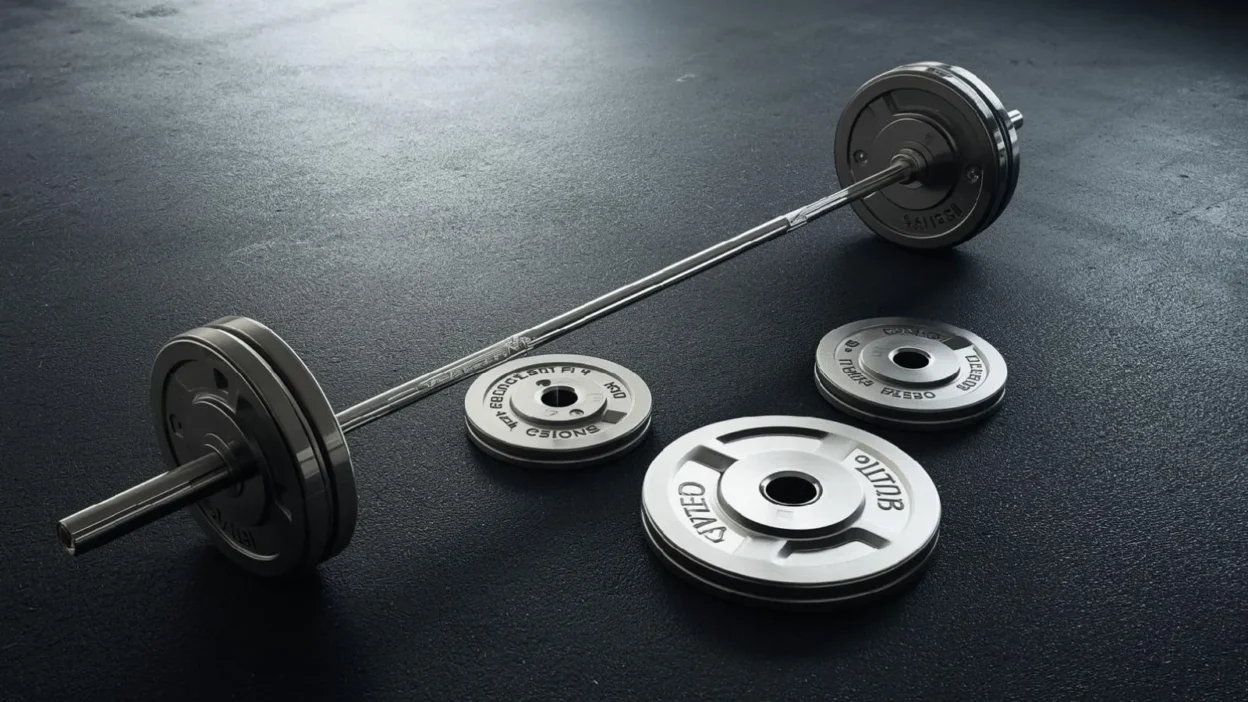
A barbell weight set is one of the most essential pieces of equipment for anyone serious about strength training. At its core, a barbell weight set consists of a barbella long metal bar and a collection of weight plates that can be added or removed to adjust the resistance. The set also typically includes collars or clips to secure the plates in place, ensuring safety during lifts.
What sets a barbell apart from other fitness equipment is its versatility. With a single barbell set, you can perform a variety of exercises targeting multiple muscle groups, including squats for the legs, bench presses for the chest, deadlifts for the back, and curls for the arms. This makes it far more cost-effective than buying separate machines for each muscle group.
Barbell weight sets come in different types, including standard and Olympic bars, as well as specialty bars like EZ curl bars or trap bars for targeted training. Weight plates also vary in materialcast iron, steel, or rubber-coated and in size to accommodate different strength levels.
Whether you are a beginner just starting out or an advanced lifter aiming to increase your strength, a barbell weight set provides the foundation for progressive overload, which is key to building muscle and improving overall fitness. It is truly a must-have for any home or commercial gym.
Types of Barbell Weight Sets
Barbell weight sets come in a variety of types, each designed to meet different fitness goals, experience levels, and space requirements. Understanding these variations can help you choose the right set for your home gym or commercial setup.
1. Standard vs. Olympic Barbells
- Standard barbells are typically 25–28 mm in diameter and suitable for beginners. They are compatible with standard weight plates but have a lower weight capacity.
- Olympic barbells have 50 mm sleeves and can hold heavier plates, making them ideal for serious lifters and advanced strength training. They are used in competitions and support exercises like squats, deadlifts, and bench presses at heavier loads.
2. Adjustable vs. Fixed Plates
- Adjustable sets allow you to add or remove plates, giving flexibility to increase or decrease weight as needed.
- Fixed-weight barbells have pre-attached plates, which are convenient but less versatile for progressive training.
3. Specialty Bars
- EZ curl bars reduce strain on wrists during curls.
- Trap bars are perfect for deadlifts and shrugs with less stress on the lower back.
- Safety squat bars help lifters maintain proper form and reduce shoulder strain.
4. Material & Coating
- Cast iron or steel plates are durable.
- Rubber-coated or bumper plates protect floors and reduce noise, ideal for home gyms.
Choosing the right type depends on your strength level, workout goals, and available space. Selecting the proper barbell ensures safety, versatility, and long-term use.
Benefits of Using a Barbell Weight Set
A barbell weight set offers numerous advantages, making it a cornerstone of any strength training or home gym setup. One of the most significant benefits is versatility. With a single set, you can perform a wide variety of exercises that target all major muscle groups, including squats, deadlifts, bench presses, rows, and curls. This versatility reduces the need for multiple machines, saving both space and money.
Another key benefit is progressive overload. By adding or removing weight plates, you can gradually increase resistance, which is essential for building muscle, strength, and endurance over time. Unlike machines with fixed resistance, barbells allow continuous growth and adaptation.
Barbell training also engages multiple muscles simultaneously, improving coordination, balance, and functional strength. Compound movements like deadlifts and squats not only strengthen your muscles but also enhance core stability and posture.
For home gym users, barbell sets are space-efficient and cost-effective. One set can replace several machines or dumbbells, providing a full-body workout without cluttering your space. Additionally, investing in a durable barbell set ensures long-term use, as high-quality bars and plates can last for decades.
Finally, using a barbell weight set builds confidence and motivation. As you lift heavier weights over time, you can track progress tangibly, which encourages consistency and commitment to your fitness goals.
How to Choose the Right Barbell Weight Set
Selecting the right barbell weight set is crucial to ensure safety, effectiveness, and long-term use. The first factor to consider is your fitness goals. Are you focused on building strength, increasing muscle mass, or simply staying active? Your goals determine the type of barbell, the weight range, and the number of plates you’ll need.
Next, examine the bar quality and specifications. Check the materialsteel bars are more durable, while chrome or black oxide bars resist rust. Consider the bar length and diameter; Olympic bars are ideal for heavier lifts, while standard bars work well for beginners or home gyms with limited space. Load capacity is also key ensure the bar can safely handle the maximum weight you plan to lift.
The plates themselves matter too. Choose between cast iron, steel, or rubber-coated plates. Rubber or bumper plates are quieter and safer for dropping, especially in home gyms. Adjustable plates offer flexibility, while fixed plates are convenient for specific lifts.
Space and storage are another important consideration. Measure your workout area to ensure you have enough room for lifting safely. If space is limited, adjustable sets and wall-mounted racks can help keep your gym organized.
Finally, factor in your budget. While cheaper sets may save money upfront, investing in a quality barbell ensures safety, durability, and a better lifting experience for years to come.
Essential Accessories for Your Barbell Weight Set
To get the most out of your barbell weight set, a few essential accessories can make your workouts safer, more efficient, and more comfortable. One of the most important items is collars or clips. These secure weight plates on the bar, preventing them from sliding during lifts, which reduces the risk of accidents.
Weightlifting gloves or straps are another valuable addition. Gloves improve grip and protect your hands from blisters, while straps help you hold heavier weights, especially during pulling exercises like deadlifts or rows.
A barbell pad can provide cushioning during squats or hip thrusts, reducing pressure on your shoulders or hips and making exercises more comfortable. For heavier lifts, a lifting belt can also support your lower back and maintain proper posture.
Racks and stands are critical for safety and organization. A squat rack or power rack allows you to perform bench presses and squats safely without a spotter. Plate storage racks keep your weights organized, prevent damage to floors, and make it easy to switch plates between exercises.
Optional accessories like bumper plates, resistance bands, and chalk can further enhance your training. Bumper plates are great for floor-friendly lifts, bands can add resistance or assist in stretching, and chalk improves grip for heavy lifts.
With these accessories, your barbell weight set becomes a complete, safe, and versatile home gym solution, ready to support a wide range of exercises and strength goals.
Exercises You Can Do with a Barbell Weight Set
A barbell weight set offers incredible versatility, allowing you to perform a wide range of exercises that target every major muscle group. For the upper body, you can do the bench press to strengthen your chest and triceps, overhead press for shoulders, barbell rows for back development, and curls to build biceps.
For the lower body, the barbell shines with exercises like squats, which engage your quadriceps, hamstrings, and glutes, and deadlifts, which target your hamstrings, glutes, lower back, and core. Lunges with a barbell add balance and stability while providing intense lower body engagement.
The barbell is also excellent for full-body and core exercises. Movements like the clean and press or thrusters combine upper and lower body strength with cardiovascular challenge, while barbell rollouts and good mornings strengthen the core and posterior chain.
To maximize benefits, focus on proper form and technique. Start with lighter weights to master movement patterns before gradually increasing load. Using progressive overloadadding small increments of weight over timeensures continuous improvement.
With just a single barbell set, you can perform a complete strength-training routine that builds muscle, improves functional fitness, and supports overall health, making it an essential tool for any home or commercial gym.
Barbell Weight Set Maintenance and Safety
Maintaining your barbell weight set is crucial for longevity, performance, and safety. One of the first steps is regular cleaning. Wipe down bars and plates after each use to remove sweat, dust, and moisture. This prevents rust and corrosion, especially on steel or iron plates. For rubber-coated or bumper plates, a simple damp cloth is usually sufficient.
Check your collars and clips regularly to ensure they hold plates securely during lifts. Loose collars can lead to accidents, especially when performing heavy lifts like squats or deadlifts. Inspect bars and plates for cracks, bends, or damage. Any compromised equipment should be replaced immediately to avoid injury.
Proper storage is equally important. Keep your barbell on a rack or wall mount, and store plates on dedicated racks. Avoid leaving weights on the floor, as this increases the risk of tripping and can damage both the bar and your flooring.
Safety tips during workouts include always using proper form, starting with lighter weights, and considering a spotter for heavy lifts. If performing exercises like squats or bench presses alone, a power rack with safety pins can prevent serious injuries.
With consistent maintenance and attention to safety, your barbell weight set can last for decades, providing reliable performance while keeping your workouts safe and effective.
Common Mistakes to Avoid with a Barbell Weight Set
Using a barbell weight set effectively requires attention to technique, equipment selection, and safety. One of the most common mistakes is choosing the wrong barbell or weight. Beginners often pick a bar that is too heavy or lacks proper specifications, which can lead to poor form or injuries. Conversely, advanced lifters may select bars or plates that cannot support their strength level, limiting progress.
Another frequent error is neglecting proper form. Lifting too quickly, arching the back incorrectly, or using momentum instead of controlled movement can strain muscles and joints. For compound exercises like squats, deadlifts, and bench presses, maintaining correct posture is essential for both effectiveness and safety.
Skipping maintenance is another issue. Rusty bars, loose collars, or damaged plates can compromise safety and reduce the lifespan of your equipment. Always inspect and clean your barbell set regularly.
Some users also ignore safety accessories, such as collars, squat racks, or lifting belts, which increases the risk of accidents. Additionally, lifters sometimes overestimate their capabilities, adding weight too quickly instead of progressing gradually.
By avoiding these mistakes, choosing the right equipment, focusing on proper form, maintaining your barbell set, and following safety practices you can maximize results, prevent injury, and enjoy long-term benefits from your barbell weight set.
Recommended Barbell Weight Sets
When selecting a barbell weight set, quality, durability, and versatility are key factors. For beginners, a standard barbell set with adjustable plates is ideal. These sets usually include a 5–7-foot bar and plates ranging from 2.5 kg to 20 kg, providing enough variety to start strength training safely at home. Brands like CAP Barbell and Yes4All offer reliable beginner-friendly options that are budget-conscious and space-efficient.
For intermediate lifters, an Olympic barbell set is a better choice. Olympic bars can handle heavier loads and come with precision-engineered weight plates. Sets from Rogue Fitness or Titan Fitness are popular for home gyms and small commercial setups. They often include rubber-coated plates or bumper plates, which protect floors and reduce noise during lifts.
Advanced lifters or serious strength trainers may opt for specialty barbell sets, including trap bars, EZ curl bars, or safety squat bars. These sets allow for more advanced exercises, targeting specific muscle groups while maintaining proper form. High-end brands like Eleiko and Power Systems provide professional-grade bars and plates designed to last decades.
When choosing a set, consider your fitness goals, available space, and budget. Investing in a high-quality barbell weight set not only improves your performance but also ensures safety and long-term durability, making it a cornerstone of any home or commercial gym.
Frequently Asked Questions
1. What is the difference between a standard and an Olympic barbell?
Standard barbells are thinner (25–28 mm diameter) and hold lighter weights, making them ideal for beginners. Olympic barbells have thicker sleeves (50 mm) and can support heavier loads, perfect for advanced lifters and competitive training.
2. How much weight do I need in a barbell set?
The weight you need depends on your strength level and goals. Beginners may start with 20–50 kg in plates, while intermediate and advanced lifters often require 100 kg or more. Adjustable sets are ideal because they allow gradual progression.
3. Are rubber-coated plates better than cast iron plates?
Rubber-coated or bumper plates protect floors, reduce noise, and are safer for home use. Cast iron plates are more durable but can damage floors if dropped. The choice depends on your workout space and lifting style.
4. Can I do full-body workouts with a barbell set?
Absolutely! Barbell sets allow exercises for upper body, lower body, and core. Squats, deadlifts, bench presses, and overhead presses cover all major muscle groups.
5. How do I maintain my barbell weight set?
Wipe bars and plates after each use, check collars regularly, inspect for damage, and store equipment properly on racks. Regular maintenance prevents rust and ensures safety.
6. Do I need accessories like collars or a lifting belt?
Yes, collars secure plates to prevent accidents, and a lifting belt provides support during heavy lifts. Gloves, pads, and racks can further enhance safety and comfort.
Conclusion
A barbell weight set is more than just a piece of gym equipment it is a foundation for building strength, muscle, and overall fitness. Its versatility allows you to perform exercises for the upper body, lower body, and core, making it suitable for a full-body workout with just one set. Whether you are a beginner, intermediate lifter, or advanced strength trainer, there is a barbell weight set tailored to your needs, goals, and available space.
Choosing the right barbell involves considering factors such as bar type, weight plates, material, space, and budget. Adjustable sets offer flexibility, Olympic bars provide durability and heavier weight capacity, and specialty bars help target specific muscle groups while maintaining proper form. Additionally, investing in essential accessories such as collars, gloves, pads, and racks ensures safety, comfort, and organization during your workouts.
Maintenance and proper use are equally important. Regular cleaning, inspecting bars and plates, and using safety measures like collars or a lifting belt can extend the life of your equipment and prevent injuries.
By avoiding common mistakes, choosing a high-quality set, and following a structured workout routine, a barbell weight set can transform your home gym into a powerful fitness hub. It is a long-term investment in your health and strength, giving you the tools to achieve your fitness goals efficiently and safely.

I’m Luca, the voice behind Punsboxx.com, where I create simple, clever puns to make people smile with everyday humor.