Constipation is a common digestive issue that affects people of all ages, yet it often raises unexpected concerns one of the most common being weight gain. You may notice the number on the scale creeping up, your stomach feeling unusually full, or your clothes fitting tighter than usual, leading you to wonder whether constipation itself is to blame. This can be confusing and even stressful, especially if you’re trying to manage your weight or follow a healthy lifestyle.
The truth is that constipation can influence body weight in ways that are often misunderstood. While it may cause temporary changes in how much you weigh or how your body looks, it doesn’t work the same way as gaining fat from excess calories.
Understanding the difference between short-term weight fluctuations and actual weight gain is key to easing anxiety and making informed health decisions. In this article, we’ll explore whether constipation can really cause weight gain, why it happens, and what you can do to restore digestive comfort and balance.
What Is Constipation?
Constipation is a digestive condition characterized by infrequent, difficult, or incomplete bowel movements. Medically, it’s often defined as having fewer than three bowel movements per week, but constipation can also occur even with daily bowel movements if stools are hard, dry, or painful to pass. Many people experience constipation occasionally, while others deal with it on a more chronic basis.
Common symptoms include straining during bowel movements, a feeling that stool is stuck in the rectum, abdominal discomfort, bloating, and a sensation of fullness. These symptoms occur when stool moves too slowly through the digestive tract, allowing the colon to absorb too much water. As a result, stools become firm and harder to eliminate.
Several factors can contribute to constipation, including a low-fiber diet, inadequate fluid intake, lack of physical activity, changes in routine, stress, and certain medications. Hormonal changes and underlying medical conditions can also play a role. Because digestion and bowel regularity are closely tied to how the body processes food and waste, constipation can affect how heavy or bloated a person feels. This connection is one reason many people associate constipation with weight changes, even when actual body fat has not increased.
How Body Weight Is Measured
Body weight is made up of more than just body fat, yet many people assume that any increase on the scale means they’ve gained fat. In reality, your weight is influenced by several components, including muscle mass, body fat, water, food in the digestive system, and waste awaiting elimination. Because of this, short-term fluctuations in weight are completely normal and often unrelated to changes in body composition.
When you eat and drink, the contents move through your digestive tract over several hours or days. During this time, undigested food and waste add physical mass to the body. If bowel movements are delayed due to constipation, this waste remains in the colon longer than usual, temporarily increasing total body weight. Water retention can also contribute to this effect, especially when digestion slows or bloating occurs.
Daily weight changes of one to three pounds can happen due to hydration levels, sodium intake, hormonal shifts, or digestive contents. This is why healthcare professionals recommend looking at long-term trends rather than daily scale readings. Understanding how body weight is measured helps explain why constipation can make the scale go up briefly, without indicating real fat gain or a setback in overall health or weight management goals.
Can Constipation Actually Cause Weight Gain?
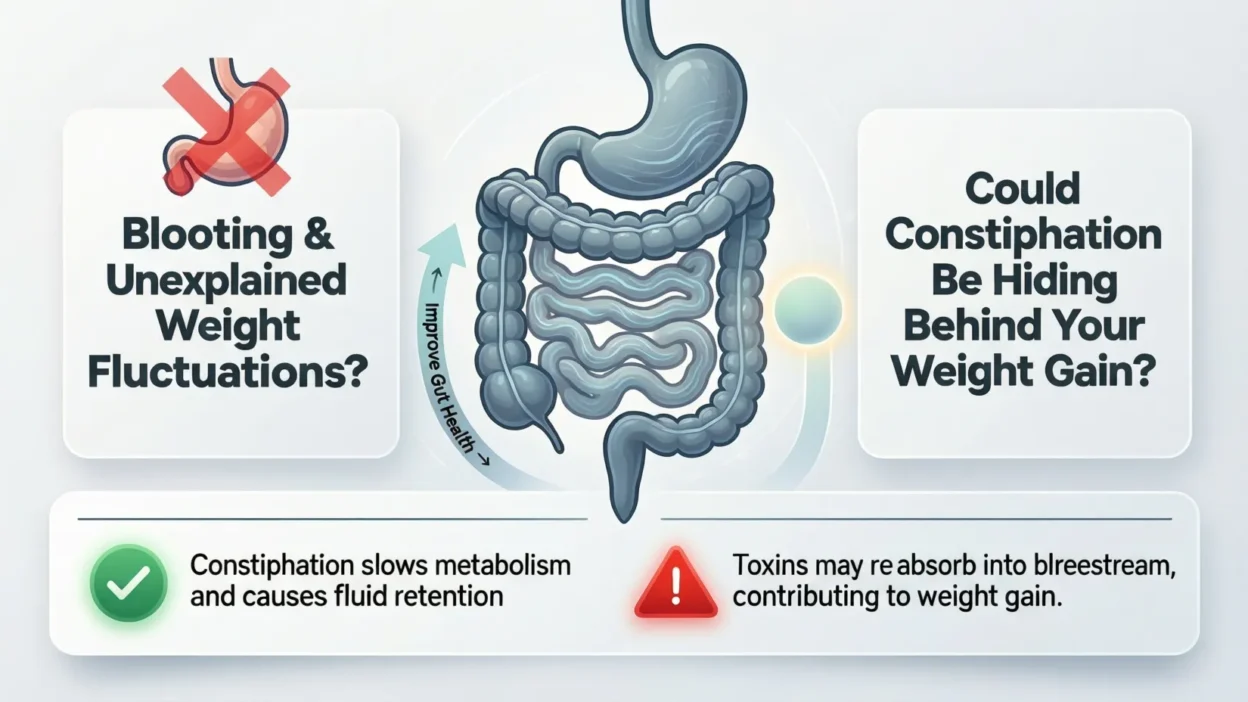
The short answer is that constipation can cause a temporary increase in body weight, but it does not lead to true weight gain in the form of added body fat. When you are constipated, stool remains in the colon instead of being eliminated, which adds extra mass to the body. This retained waste can register as additional weight on the scale, even though no new fat tissue has been created.
In some cases, constipation can also be accompanied by bloating and gas buildup, which further increases abdominal volume and contributes to a heavier feeling. Water retention may occur as well, especially if dietary or hormonal factors are involved. Together, these effects can make it seem as though you have gained weight, when in reality the change is temporary and reversible.
True weight gain occurs when the body stores excess calories as fat over time. Constipation does not alter calorie absorption or fat storage in this way. Once normal bowel movements resume, the extra weight associated with retained stool and bloating typically disappears quickly. This is why many people notice a sudden drop on the scale after relieving constipation. Understanding this distinction can help reduce unnecessary worry and prevent misinterpreting short-term weight fluctuations as long-term weight gain.
Constipation, Bloating, and Water Retention
Constipation is often closely linked with bloating and water retention, both of which can significantly affect how your body feels and appears. When stool builds up in the colon, it can trap gas and slow the movement of contents through the digestive system. This leads to abdominal distension, making the stomach look swollen or protruded. Even without actual weight gain, this bloating can make clothes feel tighter and increase discomfort throughout the day.
Water retention can also occur alongside constipation. Slower digestion may influence how fluids are absorbed and distributed in the body, while changes in sodium intake, hormonal fluctuations, or reduced physical activity can further contribute to fluid buildup. This retained water adds to scale weight and can intensify the sensation of heaviness.
It’s important to understand that bloating and water retention do not reflect an increase in body fat. Instead, they represent temporary changes in the digestive and fluid balance systems. Once bowel movements become regular and excess gas and fluids are released, the bloating subsides and weight typically returns to normal. Recognizing the role of bloating and water retention helps explain why constipation-related weight changes are short-lived and why addressing digestive regularity can quickly improve both comfort and appearance.
Perceived Weight Gain vs. Real Weight Gain
One of the reasons constipation causes so much concern is the difference between perceived weight gain and actual weight gain. When you’re constipated, bloating can make the abdomen appear larger, creating the impression that you’ve gained fat—especially around the midsection. This visual change can be unsettling and may negatively affect body image, even though no true fat accumulation has occurred.
The scale can reinforce this perception by showing a higher number, but it’s important to remember that the added weight comes from retained stool, gas, and water rather than increased body fat. Real weight gain happens gradually over time as excess calories are stored in fat cells. It does not occur suddenly as a result of digestive backup.
Psychological factors also play a role. Feeling uncomfortable, sluggish, or “heavy” during constipation can heighten awareness of the body and lead to assumptions about weight gain. This can cause unnecessary stress or lead people to make drastic dietary changes that may worsen constipation. By focusing on long-term trends instead of daily fluctuations and recognizing the temporary nature of constipation-related changes, you can better distinguish between how your body feels in the moment and what’s actually happening physiologically.
Can Chronic Constipation Contribute to Long-Term Weight Gain?
Chronic constipation itself does not directly cause long-term weight gain, but it can be associated with lifestyle and health factors that influence body weight over time. People who experience ongoing constipation often consume diets low in fiber and high in processed foods, which can also be higher in calories and lower in nutritional value. These dietary patterns may contribute to gradual weight gain if maintained long term.
Physical inactivity is another shared factor. Regular movement helps stimulate bowel activity and supports calorie balance. When activity levels are low, digestion may slow and energy expenditure decreases, creating conditions that can promote weight gain indirectly. In addition, discomfort from chronic constipation may discourage exercise, further reinforcing this cycle.
There are also common misconceptions that constipation slows metabolism. In reality, metabolism is regulated by hormones, muscle mass, and overall energy balance—not by how frequently you have bowel movements. However, certain medical conditions, such as hypothyroidism, can cause both constipation and weight gain, making it seem like one causes the other.
Understanding these indirect links is important. Treating chronic constipation through diet, hydration, movement, and medical care can improve digestive comfort and support healthier habits that benefit long-term weight management, even though constipation itself is not the root cause of fat gain.
Medications That Cause Constipation and Weight Changes
Certain medications can contribute to both constipation and perceived weight changes, which sometimes leads people to mistakenly link constipation directly to fat gain. Common culprits include opioids, some antidepressants, antihistamines, iron supplements, and certain blood pressure medications. These drugs can slow bowel motility, reduce water content in the stool, or alter digestive function, leading to harder, less frequent bowel movements.
In some cases, these medications may also affect appetite or metabolism. For example, some antidepressants can increase cravings for high-calorie foods or alter how the body processes energy. This combination of slower digestion and changes in appetite can create the impression of weight gain, even if the added pounds are partly due to retained stool or fluid rather than fat accumulation.
It’s important to differentiate between temporary weight changes caused by slowed digestion and true fat gain resulting from excess calories. If you suspect that a medication is contributing to constipation or weight fluctuations, discuss this with your healthcare provider. They may adjust your dosage, switch to an alternative medication, or recommend strategies such as increasing fiber, hydration, or physical activity to maintain healthy bowel movements and minimize unwanted weight changes while still managing your medical condition effectively.
Hormonal and Medical Conditions Related to Constipation and Weight Gain
In some cases, constipation and weight changes can occur together due to underlying hormonal or medical conditions, rather than one directly causing the other. For instance, hypothyroidism, a condition in which the thyroid gland produces insufficient hormones, can slow metabolism and digestion simultaneously, leading to constipation and gradual weight gain. Similarly, Polycystic Ovary Syndrome (PCOS) can affect hormone levels, causing both digestive irregularities and increased body weight.
Irritable Bowel Syndrome with Constipation (IBS-C) is another condition where bowel movement difficulties are chronic, and bloating can exaggerate the perception of weight gain. In these cases, it’s not the constipation itself adding fat, but the broader metabolic or hormonal imbalances affecting the body’s weight regulation and digestive function.
Other factors such as diabetes, hormonal shifts during pregnancy, or menopause can also influence both digestion and body weight. These conditions may make constipation feel more severe and amplify the temporary weight changes caused by stool retention and bloating.
Recognizing the role of medical and hormonal factors is crucial for understanding why some people experience simultaneous constipation and weight gain. Addressing the root cause with professional guidance, rather than just treating constipation symptoms, ensures better long-term digestive health and weight management.
Frequently Asked Questions
1. Can constipation make you gain weight?
Constipation can cause a temporary increase in weight due to retained stool, bloating, and water retention, but it does not lead to true fat gain. Once bowel movements normalize, the extra weight typically disappears.
2. How much weight can constipation add?
The amount varies depending on how long stool is retained and the level of bloating, but most people experience a temporary increase of 1–5 pounds. This is mostly waste and water, not fat.
3. Can constipation slow metabolism?
No, constipation itself does not slow metabolism. Metabolism is controlled by hormones, muscle mass, and calorie intake. However, underlying conditions like hypothyroidism can cause both constipation and slower metabolism.
4. Will laxatives help with constipation-related weight gain?
Laxatives can relieve constipation and reduce bloating temporarily, which may lower the scale reading. However, they do not cause actual fat loss and should be used as directed, not as a weight-loss tool.
5. How long does constipation-related weight gain last?
Weight gain from constipation is usually short-term. Once regular bowel movements are restored, the added weight from retained stool and water retention typically disappears within a day or two.
6. Can dietary changes prevent constipation and bloating?
Yes, increasing fiber intake, drinking plenty of water, and staying physically active can improve bowel regularity, reduce bloating, and prevent temporary weight fluctuations associated with constipation.
Conclusion
Constipation can cause noticeable changes in how your body feels and how much you weigh, but it’s important to understand that these changes are typically temporary and not true fat gain. Retained stool, bloating, and water retention can all make the scale go up and your abdomen feel heavier, creating the impression of weight gain. Once normal bowel movements resume, these fluctuations usually resolve quickly.
While constipation itself does not cause long-term weight gain, it can be associated with lifestyle factors like low-fiber diets, dehydration, and physical inactivity, which may contribute to gradual fat gain over time. Additionally, certain medications, hormonal imbalances, and medical conditions can make both constipation and weight changes more noticeable, highlighting the importance of addressing underlying causes.
The key takeaway is that temporary weight changes from constipation are a normal part of digestive health and should not cause unnecessary stress. Focusing on maintaining regular bowel movements through proper diet, hydration, and physical activity can reduce bloating and discomfort while supporting overall health. By understanding the difference between perceived weight gain and real fat gain, you can approach digestive issues calmly and take effective steps toward lasting comfort and wellness.

I’m Elijah, the mind behind Punsboxx.com. As a true Pun Master, I love twisting words into clever laughs and serving fresh humor that never goes out of style!