Prozac, or fluoxetine, is one of the most commonly prescribed antidepressants, helping millions manage conditions like depression, anxiety, and obsessive-compulsive disorder. While it’s known for its effectiveness in improving mood, many patients are concerned about its potential side effects. One question that frequently arises is whether Prozac can lead to weight gain.
For some individuals, weight changes are a common concern when starting a new medication, particularly when it comes to antidepressants. Weight gain can be a significant issue, as it affects both physical health and self-esteem.
Understanding whether Prozac plays a role in weight gain is essential for those considering or currently taking the medication. In this article, we’ll explore the connection between Prozac and weight gain, the possible reasons behind it, and how to manage or prevent any unwanted weight changes while using the medication.
What is Prozac?
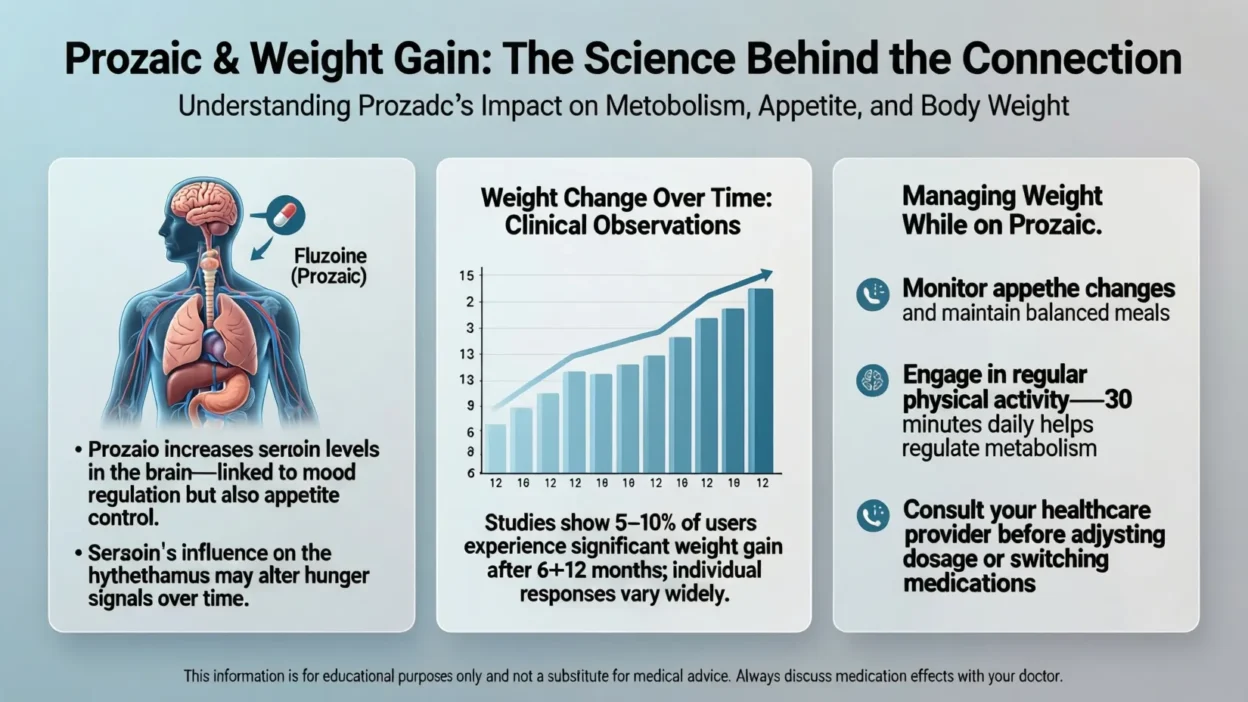
Prozac, also known by its generic name fluoxetine, is a widely prescribed antidepressant belonging to the class of drugs known as selective serotonin reuptake inhibitors (SSRIs). It works by increasing the levels of serotonin in the brain, a neurotransmitter that plays a key role in regulating mood, sleep, and appetite. Prozac is primarily used to treat conditions such as depression, anxiety disorders, obsessive-compulsive disorder (OCD), and panic attacks.
While Prozac has been a game-changer for many individuals struggling with mental health issues, it comes with a range of potential side effects. Some of these effects include nausea, headaches, insomnia, and sexual dysfunction. One concern that has come up in clinical studies and patient reports is its potential to cause weight changes, including weight gain.
Weight gain can be a particularly troubling side effect, as it may lead to physical health issues or affect a person’s mental and emotional well-being. This has prompted many patients to wonder if Prozac will cause them to gain weight, especially after starting the medication. Understanding how Prozac interacts with the body’s metabolism, appetite, and mood can help provide clarity on this issue.
The Link Between Antidepressants and Weight Gain
The relationship between antidepressants and weight gain is a topic that has sparked considerable debate. While not all antidepressants lead to significant weight changes, many people report experiencing weight gain when taking medication like Prozac. This is especially true for long-term use, though it’s not a guaranteed side effect for everyone. Understanding why weight gain occurs with certain medications requires a deeper look at the biological mechanisms involved.
Antidepressants, including Prozac, alter the balance of neurotransmitters in the brain, primarily serotonin. This chemical imbalance is thought to contribute to mood disorders, and by correcting it, antidepressants can help alleviate symptoms of depression and anxiety. However, changes in serotonin levels can also affect other aspects of the body, including appetite and metabolism.
Some antidepressants, including certain SSRIs like Prozac, have been linked to changes in eating habits. For some individuals, Prozac can increase appetite, leading to overeating. Others may find that their emotional state improves, and they regain the energy and motivation to enjoy food again, which can lead to weight gain.
It’s also worth noting that Prozac may cause fluid retention, which can contribute to an increase in weight without actual fat gain.
Can Prozac Cause Weight Gain?
When it comes to Prozac, the question of whether it causes weight gain is not straightforward. Some people taking Prozac may experience weight gain, while others may not notice any change at all or may even lose weight. Research on this topic has produced mixed results, and much of the impact depends on individual factors like genetics, diet, lifestyle, and the duration of Prozac use.
For some individuals, Prozac can lead to an increase in appetite. As the medication works to improve mood and energy levels, some people may begin to feel more motivated to eat, resulting in consuming more calories than usual. This is particularly common in the early stages of treatment, as the improvement in emotional state may prompt a return to social activities or an increase in food consumption.
However, weight gain associated with Prozac is generally considered mild compared to other antidepressants, such as tricyclics or certain SSRIs like paroxetine. Studies have shown that Prozac, in particular, has a lower risk of causing significant weight gain. That said, long-term use of any antidepressant may still contribute to gradual weight changes, especially if it affects eating habits and metabolism.
How Prozac Affects Appetite and Eating Habits
Prozac’s impact on appetite and eating habits can vary widely from person to person. For some individuals, Prozac may lead to an increase in appetite, which can contribute to weight gain. As Prozac works to stabilize mood and reduce symptoms of depression, it may also trigger a heightened sense of hunger. This is particularly true during the initial stages of treatment when people begin to regain energy and interest in activities, including eating.
Additionally, Prozac can sometimes cause cravings for specific types of food, especially high-calorie, comfort foods. This may be due to emotional changes as the medication helps alleviate the feelings of sadness, stress, or apathy that may have previously suppressed appetite. As individuals start to feel better emotionally, they may turn to food for comfort or simply because they’re now more engaged in daily activities, including eating and socializing around meals.
On the other hand, some individuals may experience a reduced appetite when taking Prozac. This is less common but can occur, particularly in the early stages of the medication when the body is adjusting to changes in serotonin levels. For those with diminished appetite, weight loss may occur instead of weight gain.
Other Factors Contributing to Weight Gain on Prozac
While Prozac itself may influence weight gain through changes in appetite and mood, there are other factors at play that could contribute to weight fluctuations during treatment. One of the most common causes of weight gain is fluid retention. Some people taking Prozac may experience bloating or swelling, which can make them feel heavier, even if their fat stores aren’t actually increasing. This is a temporary effect and often resolves after the body adjusts to the medication.
Lifestyle changes can also play a significant role in weight gain. As Prozac improves mood and energy levels, many individuals feel more motivated to eat or engage in social activities that involve food. This can lead to an increase in caloric intake, especially if one begins to return to a more active social life after struggling with depression or anxiety. However, increased social interactions or emotional stability may also encourage more sedentary behavior or an irregular eating pattern, both of which could lead to weight gain over time.
Finally, coexisting health conditions or other medications may interact with Prozac and contribute to weight changes. For example, if someone is also managing a thyroid condition or taking other medications that impact metabolism, these factors could compound the effects of Prozac.
Preventing or Managing Weight Gain While on Prozac
Even if Prozac may cause mild weight gain for some individuals, there are several strategies to help prevent or manage it. One of the most effective methods is regular physical activity. Exercise not only helps burn calories but also supports overall mental health, which complements the effects of Prozac. Activities like walking, jogging, yoga, or strength training can help maintain a healthy weight while on medication.
Healthy dietary choices are equally important. Focusing on a balanced diet with plenty of fruits, vegetables, lean proteins, and whole grains can help control caloric intake. Limiting processed foods, sugary snacks, and high-fat meals can reduce the likelihood of weight gain. Tracking meals and practicing mindful eating may also help monitor portion sizes and prevent overeating.
Regular weight monitoring is crucial. Keeping track of weight changes can alert individuals to early trends and allow adjustments before significant gain occurs. If weight gain becomes a concern, consulting a healthcare provider is essential. Doctors can assess whether dosage adjustments, alternative medications, or lifestyle interventions are necessary.
Finally, seeking psychological support or counseling can help address emotional eating patterns that sometimes arise during antidepressant treatment, ensuring both mental and physical health are maintained.
How to Talk to Your Doctor About Weight Gain Concerns
If you’re concerned about potential weight gain while taking Prozac, the best course of action is to discuss your worries with your healthcare provider. Open and honest communication is key to finding the right balance between managing your mental health and maintaining a healthy weight.
Start by tracking your weight and symptoms. Before your appointment, keep a journal of any weight changes, appetite fluctuations, and how you’re feeling emotionally. This will help your doctor assess whether Prozac is impacting your weight and provide valuable insights into your eating habits and overall well-being.
Discuss your lifestyle and dietary habits with your doctor. If you’ve noticed any changes in your eating patterns or activity levels, share this information. Your doctor may offer advice on healthy eating and exercise or refer you to a nutritionist or therapist if needed.
If weight gain becomes a significant issue, your doctor may suggest adjusting your dosage or switching to an alternative antidepressant. There are other medications, such as Wellbutrin or venlafaxine, that are less likely to cause weight gain.
Lastly, your doctor might recommend combining Prozac with counseling or therapy to address emotional eating or other behavioral factors that may be contributing to weight changes.
FAQs About Prozac and Weight Gain
1. Does everyone gain weight on Prozac?
No, not everyone will experience weight gain while taking Prozac. The effects vary from person to person, and some people may not notice any weight change, while others may even lose weight. Factors like genetics, diet, exercise, and how the body responds to the medication play a significant role.
2. How much weight can I expect to gain on Prozac?
The amount of weight gain associated with Prozac is typically mild compared to other antidepressants. However, some individuals may gain a few pounds over time due to changes in appetite or emotional eating. It’s important to monitor weight regularly and consult a doctor if you notice significant changes.
3. Can Prozac cause sudden or rapid weight gain?
Rapid or sudden weight gain is rare with Prozac. Most weight changes occur gradually. If you experience rapid weight gain, it may be due to other factors such as fluid retention or dietary habits.
4. Can I prevent weight gain while on Prozac?
Yes, you can reduce the risk of weight gain by maintaining a healthy diet, exercising regularly, and monitoring your weight. Discuss any concerns with your doctor to develop a strategy that works for you.
5. Should I stop taking Prozac if I gain weight?
Do not stop taking Prozac without consulting your doctor. If weight gain becomes a concern, your healthcare provider can suggest alternative treatments or adjust your dosage.
Conclusion
Prozac (fluoxetine) is a widely prescribed antidepressant that has helped millions manage mental health conditions like depression, anxiety, and obsessive-compulsive disorder. However, as with any medication, it’s important to be aware of its potential side effects, including weight changes. While some individuals may experience weight gain, the effect is generally mild compared to other antidepressants, and it doesn’t happen for everyone.
The primary reasons for weight gain on Prozac are changes in appetite, emotional eating, and, in some cases, fluid retention. However, these effects can be managed with a balanced diet, regular physical activity, and by monitoring weight closely. If weight gain becomes a concern, discussing it with your doctor is essential. Your healthcare provider may suggest adjustments to your medication, offer advice on managing side effects, or explore alternative antidepressants with fewer weight-related issues.
Ultimately, the goal is to ensure that the benefits of Prozac improved mental health are not outweighed by negative physical effects. By staying proactive and communicating with your healthcare provider, you can manage your treatment effectively and maintain both your mental and physical well-being.

I’m Luca, the voice behind Punsboxx.com, where I create simple, clever puns to make people smile with everyday humor.