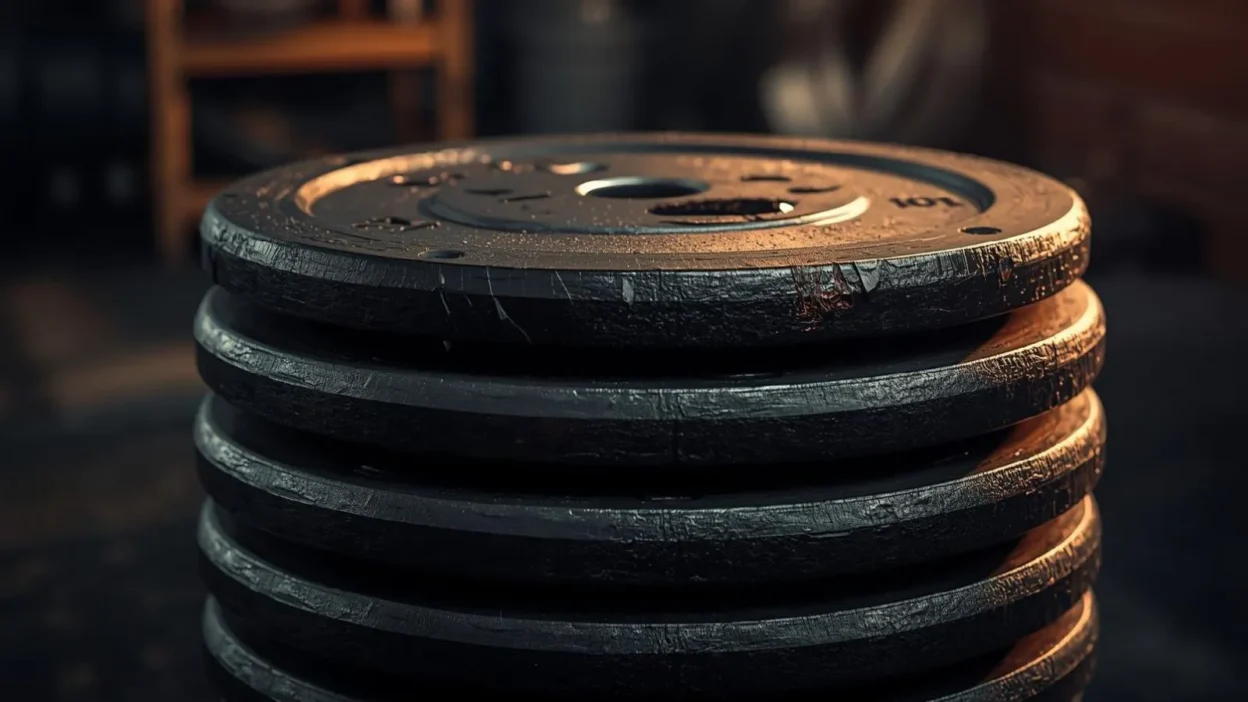
Cast iron weight plates have been a cornerstone of strength training for decades, offering durability, versatility, and affordability that few other types of plates can match. Whether you’re outfitting a home gym or stocking a commercial facility, these plates provide the reliable resistance needed for exercises ranging from squats and deadlifts to bench presses and overhead lifts.
Unlike rubber-coated or bumper plates, cast iron plates are simple, compact, and built to last, making them a popular choice for weightlifters of all levels. Beyond their practicality, they also come in a variety of sizes and stylesstandard, Olympic, grip, and fractional plates allowing users to customize their workouts with precision.
In this article, we’ll explore everything you need to know about cast iron weight plates, including their types, benefits, maintenance tips, and buying considerations, helping you make an informed choice for your strength-training journey.
History and Evolution of Cast Iron Weight Plates
Cast iron has a long and storied history in strength training, dating back to the 19th century when physical culture began gaining popularity in Europe and the United States. Early weightlifters used rudimentary iron discs or homemade plates, often fashioned from solid cast iron or even repurposed metal objects. These simple yet durable weights laid the foundation for modern strength training, providing lifters with consistent resistance that could be easily adjusted by adding or removing plates from a barbell.
Over time, cast iron weight plates became standardized in both size and weight, leading to the creation of standard plates with a 1-inch hole and Olympic plates with a 2-inch hole to fit international barbells. Manufacturers began experimenting with different finishes, including painted or enamel-coated surfaces, to improve durability and reduce rusting. The design also evolved to include grip plates with handholds, making it easier to handle heavy weights and perform floor-based exercises without a barbell.
Today, cast iron weight plates remain a staple in gyms worldwide, prized for their longevity and versatility. While modern alternatives like rubber-coated bumper plates and steel discs offer specialized benefits, cast iron plates continue to dominate both home gyms and commercial facilities due to their affordability, simplicity, and timeless designs true testament to the enduring appeal of iron in strength training.
What Are Cast Iron Weight Plates?
Cast iron weight plates are solid, circular discs made primarily from iron, designed to provide resistance for strength training exercises. They are one of the most traditional and widely used types of weight plates, appreciated for their durability, affordability, and straightforward design. Unlike rubber-coated or bumper plates, cast iron plates are dense and compact, allowing more weight to fit in a smaller space and important factor for gyms with limited room.
There are two main types of cast iron plates: standard plates and Olympic plates. Standard plates typically feature a 1-inch (25 mm) hole to fit regular barbells, while Olympic plates have a 2-inch (50 mm) hole, making them compatible with Olympic bars used in competitive lifting. Plates are available in a variety of weights, ranging from as light as 0.5 kg (1 lb) for fractional plates to 25 kg (55 lb) or more for heavy-duty lifting. Many plates also have embossed or printed markings to indicate their weight clearly, and some feature grip handles for easier handling during floor exercises or loading.
Beyond standard and Olympic types, specialty cast iron plates exist, such as grip plates, which have built-in handles, and fractional plates, designed to allow precise incremental increases in weight. Whether for home or commercial gyms, cast iron weight plates provide a reliable, long-lasting foundation for strength training, combining simplicity with versatility in a way that few other plate types can match.
Types of Cast Iron Weight Plates
Cast iron weight plates come in several types, each designed to meet specific training needs and preferences. Understanding the differences can help you choose the right plates for your workouts.
1. Standard Plates: These plates have a 1-inch center hole and are commonly used in home gyms. They are available in various weight increments and are ideal for general strength training exercises. Their smaller diameter and simplicity make them easy to store and handle, though they may not fit Olympic bars.
2. Olympic Plates: Featuring a 2-inch center hole, Olympic plates are designed to fit Olympic barbells used in professional weightlifting and CrossFit. They are typically thicker and heavier than standard plates, and their design allows for heavier loading, making them ideal for serious lifters.
3. Grip Plates: Grip plates have built-in handles or cutouts, making it easier to lift, carry, or use them for floor-based exercises without a barbell. These plates are versatile and safer to handle, especially for home workouts.
4. Fractional Plates: These small plates, usually ranging from 0.5 to 2.5 kg (1–5 lbs), allow lifters to make precise, incremental increases in weight. They are especially useful for progressive overload or rehabilitation exercises.
5. Specialty & Competition Plates: Some cast iron plates are designed for competition standards or have unique coatings to prevent rust and reduce noise.
Each type has its pros and cons, and selecting the right combination depends on your barbell type, space, and training goals.
Benefits of Using Cast Iron Plates
Cast iron weight plates offer several advantages that make them a staple in both home and commercial gyms. One of the most notable benefits is durability. Made from solid iron, these plates can withstand heavy use over many years without bending or cracking, unlike some cheaper alternatives. Their longevity makes them a cost-effective investment for anyone serious about strength training.
Another major benefit is versatility. Cast iron plates can be used with a variety of barbells and dumbbells, making them suitable for exercises like squats, deadlifts, bench presses, and overhead presses. Specialty grip plates even allow for floor exercises, weighted carries, or functional training movements, expanding your workout possibilities without needing additional equipment.
Affordability is another advantage. Compared to rubber-coated or bumper plates, cast iron plates are typically less expensive while still providing reliable resistance. They are widely available, making it easy to replace or expand your collection as needed.
Additionally, cast iron plates are compact and space-efficient due to their density. This means you can store a significant amount of weight in a smaller area perfect for home gyms with limited space.
Finally, cast iron plates have a classic, timeless design that appeals to traditional lifters and collectors alike. Their simplicity, reliability, and wide compatibility ensure they remain a go-to choice for strength training enthusiasts around the world.
Potential Drawbacks of Cast Iron Plates
While cast iron weight plates offer numerous advantages, they also come with a few limitations that users should consider before making a purchase. One of the most common drawbacks is noise. Unlike rubber-coated or bumper plates, cast iron plates produce a loud clanging sound when they hit the floor or each other, which can be disruptive in shared spaces or home gyms.
Another concern is floor damage. Because cast iron plates are hard and dense, dropping or dragging them on unprotected surfaces can scratch, dent, or crack flooring. Investing in gym mats or rubber flooring is essential to prevent this issue.
Rust and corrosion can also be a problem over time, especially if the plates are stored in damp or humid environments. While many plates are coated with enamel or paint, uncoated or scratched plates may develop rust, requiring regular maintenance like oiling or cleaning to preserve their longevity.
Additionally, cast iron plates are less forgiving for Olympic lifts and high-impact exercises. Bumper plates, designed with a rubber coating, are safer for dropping during movements like snatches or clean and jerks.
Finally, cast iron plates can be awkward to handle, particularly heavier plates without grip handles. This can make loading and unloading bars more challenging, especially for beginners or older lifters.
Understanding these potential drawbacks ensures users can make informed decisions, balancing cost, durability, and training needs when choosing weight plates.
Maintenance and Care of Cast Iron Weight Plates
Proper maintenance is essential to keep cast iron weight plates in good condition and extend their lifespan. One of the main concerns with cast iron is rust, which can develop if the plates are exposed to moisture or stored in humid environments. To prevent this, always store your plates in a dry area, preferably on a rack or shelf rather than directly on concrete floors. Using a silica gel pack or dehumidifier in storage areas can further reduce moisture.
Regular cleaning is also important. Wipe down plates after each use with a dry or slightly damp cloth to remove sweat, dust, and dirt. For stubborn grime or minor rust spots, use a soft brush or steel wool, followed by a thin coat of light oilsuch as 3-in-1 oil to protect the metal. Avoid harsh chemicals that can damage the plate’s finish.
For plates with painted or enamel coatings, inspect regularly for chips or scratches. Touching up exposed areas with rust-resistant paint can prevent corrosion from spreading.
Finally, handle plates carefully to avoid dropping or banging, which can chip the surface or deform edges. Consider using gym mats or rubber flooring to reduce impact when plates are loaded or unloaded.
With consistent care, cast iron weight plates can last decades, maintaining both their performance and appearance, making them a reliable choice for any strength training setup.
Buying Guide for Cast Iron Weight Plates
Choosing the right cast iron weight plates requires careful consideration of several factors to ensure they meet your training needs and equipment compatibility. The first consideration is barbell type. Standard plates, with a 1-inch hole, fit regular barbells, while Olympic plates, with a 2-inch hole, are necessary for Olympic bars used in commercial gyms or competitive lifting. Ensure your plates match your bar size to avoid fit issues.
Weight increments are another important factor. Common increments include 2.5, 5, 10, 15, 20, and 25 kg (or equivalent in pounds). Fractional plates, such as 0.5 or 1 kg, are ideal for lifters who want to gradually increase weight for progressive overload. Consider the types of exercises you’ll perform and your long-term goals when selecting increments.
Quality and finish are equally crucial. Look for plates with smooth edges, durable coatings, and accurate weight markings. Painted or enamel-coated plates resist rust better than uncoated plates, extending longevity. Grip plates can improve handling and safety, especially for heavier weights.
Finally, consider budget and storage. Cast iron plates are generally affordable, but buying in sets can save money compared to individual plates. Ensure you have a sturdy rack or storage solution to keep plates organized and prevent damage.
By carefully evaluating these factors, you can select cast iron plates that fit your gym setup, training style, and long-term strength goals.
Cast Iron Plates in Modern Fitness
Cast iron weight plates continue to hold a prominent place in modern fitness, despite the rise of newer alternatives like rubber-coated and bumper plates. Their timeless design, affordability, and versatility make them a favorite among both beginner and advanced lifters, whether for home gyms or commercial fitness centers.
In the era of specialized equipment for every type of workout, cast iron plates remain the go-to choice for general strength training. They are ideal for classic barbell exercises such as squats, deadlifts, and bench presses, and are especially popular among powerlifters and bodybuilders. Their simple, no-frills design allows users to focus purely on lifting, making them a reliable option for those who prioritize function over aesthetics.
Despite the availability of bumper plates, which are designed for high-impact lifting, cast iron plates are still widely used in Olympic lifting, CrossFit, and general fitness training. While bumper plates are ideal for dropping weights from height, cast iron plates are often preferred in non-competition settings where durability and cost-effectiveness are more important.
In home gyms, where space and budget are often limited, cast iron plates offer an excellent balance between price and performance. They can be stacked neatly and take up less space than bulkier rubber plates, allowing for more efficient use of space.
Cast iron plates may be basic, but they remain an essential part of strength training, and their popularity shows no signs of waning.
FAQs
1. Are cast iron weight plates suitable for Olympic lifting?
Yes, cast iron weight plates are commonly used in Olympic lifting, particularly for training purposes. However, they are not designed for dropping from height like bumper plates. If you plan on doing Olympic lifts (like snatches or clean and jerks) and dropping weights, it’s best to use bumper plates to protect both the floor and the plates.
2. How do I prevent rust on my cast iron weight plates?
To prevent rust, store your plates in a dry, cool area. Wipe them down after each use to remove sweat and moisture. You can also apply a light coat of oil (such as 3-in-1 oil) to the surface to create a protective barrier. If rust does develop, use steel wool or a rust remover and reapply oil to protect the metal.
3. Can I use cast iron weight plates on rubber flooring?
Yes, cast iron plates can be used on rubber flooring, but they may leave marks or scratches if dropped. To prevent damage, it’s a good idea to use gym mats or protective mats under your plates. This will also help to preserve the longevity of both your flooring and plates.
4. How do I clean my cast iron weight plates?
Simply wipe down your plates with a dry or slightly damp cloth after each workout. For deeper cleaning, use a soft brush and some mild soap or cleaning solution. Avoid harsh chemicals that can damage the finish.
Conclusion
Cast iron weight plates remain a foundational piece of strength training equipment, prized for their durability, versatility, and cost-effectiveness. Whether you’re a beginner just starting out or an experienced lifter looking to upgrade your home gym, these plates offer unmatched value. Their simple, timeless design has stood the test of time, and they continue to be a go-to option for both casual gym-goers and competitive athletes alike.
While they may not offer the same noise reduction or drop-resistance as bumper plates, cast iron plates shine in their ability to deliver consistent and reliable performance across a wide range of exercises. From classic barbell lifts to more specialized movements, cast iron weight plates allow you to build strength and endurance with minimal fuss.
When buying cast iron plates, it’s important to consider factors such as weight increments, barbell compatibility, and storage space. With proper maintenance, including cleaning and rust prevention, your plates can last for decades, making them a worthy investment in your fitness journey.
In the ever-evolving world of fitness equipment, cast iron plates hold their own as a classic choice for anyone looking to invest in solid, long-lasting gear. Whether outfitting a home gym or adding to an established training facility, cast iron plates remain a reliable, essential component of any strength training setup.

I’m Luca, the voice behind Punsboxx.com, where I create simple, clever puns to make people smile with everyday humor.