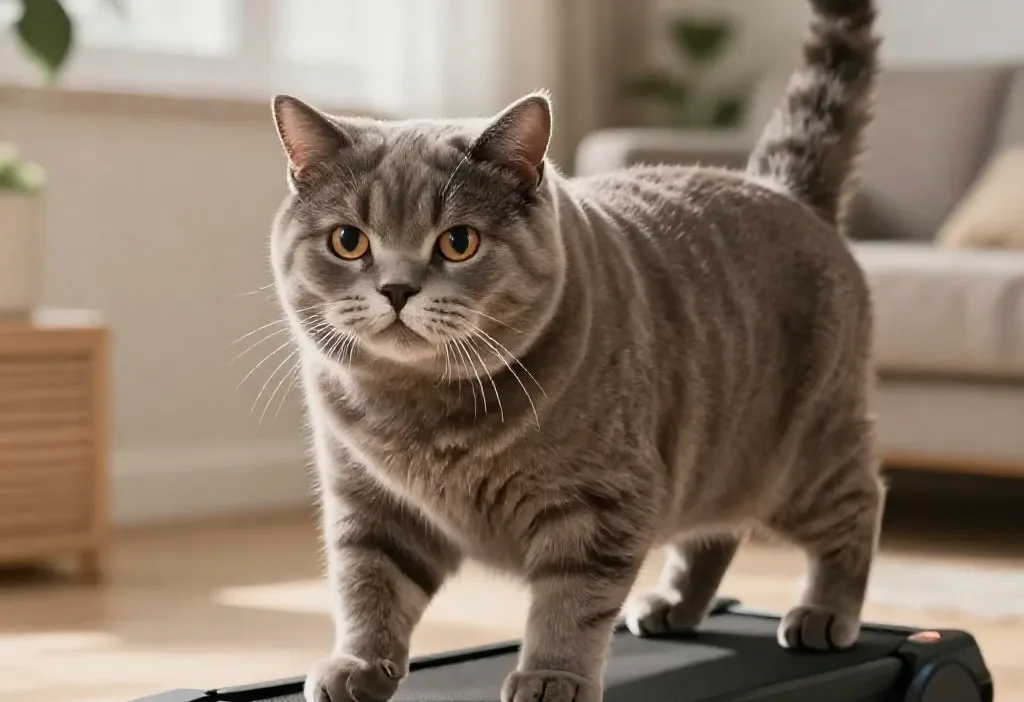
Cat weight loss is becoming an increasingly important topic for pet owners as more cats are diagnosed as overweight or obese. While a “chubby” cat may look cute, excess weight can quietly shorten a cat’s lifespan and reduce their quality of life. Overweight cats are at higher risk for diabetes, arthritis, heart disease, breathing problems, and even liver failure. For indoor cats especially, modern lifestyles often mean too much food and too little activity.
If your cat has been gaining weight, you may feel unsure where to start—or worried about doing more harm than good. Unlike dogs or humans, cats cannot safely lose weight through sudden food restriction or fasting. Weight loss must be slow, controlled, and carefully planned to avoid serious health complications.
This guide will walk you through everything you need to know about safe, vet-approved cat weight loss. From identifying whether your cat is overweight to creating a healthy diet and activity plan, you’ll learn how to help your cat lose weight safely and live a longer, happier life.
Is My Cat Overweight? How to Tell for Sure
Many cat owners are surprised to learn their cat is overweight. Because weight gain often happens gradually, it can be difficult to notice subtle changes over time. In addition, people tend to compare their cat to other overweight cats, which can make excess weight seem “normal.” Understanding how to accurately assess your cat’s body condition is the first step toward safe weight loss.
Rather than relying on the number on a scale alone, veterinarians use a Body Condition Score (BCS) to evaluate whether a cat is underweight, ideal, or overweight. The BCS scale typically ranges from 1 to 9, with 4–5 considered ideal. An overweight cat usually scores between 6 and 9. At a healthy weight, you should be able to feel your cat’s ribs easily with light pressure, see a visible waist when viewed from above, and notice a slight abdominal tuck from the side.
Physical and behavioral signs can also indicate excess weight. Overweight cats often have a rounded belly, struggle to groom hard-to-reach areas, and tire quickly during play. You may notice reduced activity, stiffness when jumping, or reluctance to climb stairs or furniture.
If you’re unsure about your assessment, a veterinarian can confirm your cat’s weight status and rule out medical causes of weight gain. Identifying whether your cat is truly overweight ensures that any weight loss plan is appropriate, safe, and tailored to your cat’s individual needs.
Why Safe Weight Loss Is Critical for Cats
Helping a cat lose weight is not as simple as feeding less food. Cats have a unique metabolism that makes rapid or uncontrolled weight loss extremely dangerous. One of the most serious risks is hepatic lipidosis, also known as fatty liver disease. This life-threatening condition can occur when a cat stops eating or loses weight too quickly, causing fat to accumulate in the liver and impair its function.
Because of this risk, cats should never be fasted or placed on drastic calorie restrictions. Even skipping meals can be harmful, especially for overweight cats. Safe weight loss focuses on slow, gradual progress, allowing the body to burn fat without overwhelming the liver. Most veterinarians recommend a weight loss rate of about 0.5 to 2 percent of body weight per week, depending on the cat’s health and starting weight.
Excess weight also places ongoing stress on a cat’s joints, heart, and organs. Over time, obesity can contribute to diabetes, arthritis, high blood pressure, urinary issues, and reduced mobility. These conditions not only shorten lifespan but can significantly impact a cat’s comfort and behavior.
Weight gain may also be linked to underlying medical factors such as hormonal imbalances, reduced metabolism after neutering, or side effects from certain medications. This is why a safe weight loss plan often begins with a veterinary checkup to rule out hidden health concerns.
By approaching weight loss carefully and intentionally, you protect your cat from serious complications while improving energy levels, mobility, and overall quality of life. Slow, supervised weight loss is always safer—and far more effective—than quick fixes.
Creating a Safe Cat Weight Loss Plan
A successful cat weight loss plan always starts with a clear, realistic strategy. Before making major changes to your cat’s diet, it’s strongly recommended to consult a veterinarian. Your vet can assess your cat’s current weight, body condition score, age, and overall health, and rule out medical conditions that may affect weight loss. This step is especially important for senior cats or cats with existing health issues.
Once your cat is cleared for weight loss, the next step is setting a target weight and daily calorie goal. Many owners underestimate how few calories cats actually need, which can lead to accidental overfeeding. A veterinarian can help calculate your cat’s resting energy requirements and determine a safe calorie reduction that promotes gradual fat loss without risking malnutrition.
Consistency is key when implementing a weight loss plan. Feeding measured portions at scheduled times is far more effective than free-feeding. Using a kitchen scale or measuring cup ensures accuracy and prevents “portion creep,” which can slow progress. In multi-cat households, separate feeding areas may be necessary to ensure the overweight cat doesn’t steal food from others.
A complete weight loss plan also considers your cat’s lifestyle. Indoor cats, for example, often require additional environmental enrichment to encourage movement and mental stimulation. Small changes—such as adding short play sessions, rotating toys, or using puzzle feeders—can significantly increase daily activity.
By combining veterinary guidance, controlled portions, and consistent routines, you create a structured plan that supports safe, sustainable weight loss. This thoughtful approach helps your cat lose weight while maintaining muscle mass, energy, and long-term health.
Diet Strategies for Cat Weight Loss
Diet plays the most important role in helping a cat lose weight safely. While exercise is beneficial, calorie control is the foundation of any effective weight loss plan. The goal is not to starve your cat, but to provide the right amount of nutrition while reducing excess calories.
Portion control is essential. Even high-quality food can lead to weight gain if portions are too large. Measuring every meal ensures your cat receives a consistent calorie intake and prevents unintentional overfeeding. Scheduled meals are generally more effective than free-feeding, as they allow better control over how much your cat eats each day.
The type of food you choose also matters. Cats are obligate carnivores, meaning their bodies are designed to thrive on protein-rich diets. High-protein, low-carbohydrate foods help preserve lean muscle mass while promoting fat loss. Many overweight cats benefit from switching to wet food, which typically contains fewer calories per serving and higher moisture content, helping cats feel fuller.
For some cats, prescription weight loss diets may be recommended by a veterinarian. These formulas are specifically designed to reduce calories while maintaining essential nutrients. However, many cats can successfully lose weight on carefully portioned, high-quality over-the-counter foods.
Treats and snacks should be limited during weight loss. Treat calories add up quickly and can undermine progress. If treats are necessary, choose low-calorie options or use small portions of your cat’s regular food instead.
By focusing on portion control, appropriate food choices, and consistency, diet adjustments can support steady, safe weight loss without sacrificing your cat’s nutritional needs or well-being.
Transitioning Food Safely
Changing a cat’s diet too quickly can lead to digestive upset, food refusal, or stress, all of which can derail a weight loss plan. Cats are creatures of habit, and sudden changes in food texture, flavor, or smell may cause them to stop eating altogether. Because appetite loss can be dangerous for cats, especially overweight ones, food transitions should always be gradual and carefully monitored.
A safe food transition typically takes 7 to 10 days. Start by mixing a small amount of the new food with your cat’s current food. Over several days, slowly increase the proportion of the new food while decreasing the old one. This gradual process allows your cat’s digestive system to adapt and helps prevent vomiting or diarrhea.
During the transition period, closely observe your cat’s eating behavior. If your cat refuses the new food, avoid forcing the change or withholding meals. Instead, slow the transition and try increasing the old food slightly before gradually reducing it again. Warming wet food or adding a small amount of water can sometimes improve acceptance by enhancing aroma.
It’s also important to maintain consistent meal times and portion sizes throughout the transition. Even if the food type changes, calorie intake should remain controlled. Measuring portions during this phase helps prevent accidental overfeeding, which can stall weight loss.
If your cat shows signs of lethargy, nausea, or a significant decrease in appetite, stop the transition and consult a veterinarian. Some cats may need a different food option or a slower adjustment period.
By transitioning food slowly and thoughtfully, you protect your cat’s health while keeping the weight loss plan on track. A calm, patient approach sets the foundation for long-term dietary success.
Exercise and Activity for Cat Weight Loss
While diet is the primary driver of weight loss, regular activity plays an important supporting role in improving your cat’s overall health. Exercise helps burn calories, preserve muscle mass, support joint mobility, and reduce boredom-related behaviors. For overweight cats, the goal is to increase movement gradually without causing stress or injury.
Short, frequent play sessions are more effective than long workouts. Aim for two to three play sessions per day, each lasting five to ten minutes. Interactive toys such as wand toys, feather teasers, or laser pointers encourage natural hunting behaviors and get cats moving without forcing them. Allow your cat to “catch” the toy occasionally to prevent frustration.
Environmental enrichment is especially important for indoor cats. Adding vertical space, such as cat trees or wall shelves, encourages climbing and jumping. Food puzzle toys and slow feeders can turn mealtime into a light workout while also slowing eating speed and increasing mental stimulation.
For cats that are older, less active, or reluctant to play, start small. Gentle activities like rolling a ball, encouraging short walks across the room, or placing toys slightly out of reach can make a big difference over time. Always respect your cat’s limits, particularly if they have arthritis or mobility issues.
Exercise alone will not cause significant weight loss, but when combined with controlled feeding, it improves energy levels and helps prevent muscle loss. Over time, increased activity can also strengthen the bond between you and your cat, making the weight loss journey more enjoyable and sustainable for both of you.
Monitoring Progress and Adjusting the Plan
Monitoring your cat’s progress throughout the weight loss journey is essential to ensure the plan remains effective and safe. Regularly tracking both weight and overall health allows you to make adjustments if necessary and avoid any potential complications. A gradual and steady weight loss rate of about 0.5 to 2 percent of body weight per week is ideal, but every cat responds differently to weight loss plans.
Weigh your cat regularly—ideally once a week—using a pet scale or a bathroom scale. If you’re weighing your cat on a standard scale, weigh yourself first, then weigh yourself holding the cat, and subtract your own weight to get an accurate reading. Tracking the change in weight helps you assess whether the diet and exercise plan is working or if adjustments are needed.
If your cat’s weight loss slows down or stalls, it may indicate that they’re either not eating enough or that their calorie requirements have decreased as they lose weight. In these cases, reevaluating portion sizes or adjusting the calorie intake is crucial. Alternatively, if your cat seems to be losing weight too quickly (more than 2 percent per week), this could signal that the weight loss is too rapid, putting stress on the liver or other organs. In this case, you may need to reduce the calorie deficit slightly and focus on a more gradual loss.
Apart from weight, keep an eye on your cat’s behavior. Increased playfulness, better mobility, and improved grooming habits are positive signs. If your cat seems lethargic, refuses to eat, or shows signs of illness, seek veterinary advice immediately. Regular check-ups are also important to make sure your cat stays on track and doesn’t develop any health issues during the weight loss process.
By consistently monitoring progress, adjusting when necessary, and maintaining open communication with your vet, you’ll help your cat lose weight safely and effectively.
Maintaining a Healthy Weight for the Long Term
Achieving a healthy weight is a huge accomplishment, but the true challenge comes in maintaining that weight long term. Many cats that lose weight successfully gain it back, often due to a lack of ongoing management and lifestyle adjustments. Keeping your cat at a healthy weight requires consistency, ongoing vigilance, and the incorporation of new habits into your cat’s routine.
After reaching your cat’s target weight, continue with a maintained feeding plan that includes measured portions. Gradually transitioning your cat to a maintenance diet with slightly more calories will help prevent weight regain while still offering nutritional balance. However, calorie increases should be moderate and carefully calculated, based on your cat’s activity level, age, and health status.
One of the most critical aspects of long-term maintenance is sticking to a regular feeding schedule. Free-feeding, or offering food at all times, can encourage overeating, especially in more food-driven cats. Ensure that meals are consistent and controlled, even after weight loss goals are met.
It’s also important to maintain a regular exercise routine. Even after weight loss, continuing to engage your cat with interactive play, new toys, and mental stimulation helps keep them active and avoids the sedentary behavior that often leads to weight regain. Cat trees, scratching posts, and interactive feeders can encourage daily movement, even for indoor cats.
Finally, schedule annual or bi-annual check-ups with your vet. Regular monitoring ensures that your cat’s weight stays on track and that any early signs of health issues are caught quickly. A proactive approach helps prevent future weight issues and ensures your cat stays happy, healthy, and active for years to come.
Common Challenges and How to Overcome Them
Even with the best-laid plans, managing your cat’s weight loss journey can come with challenges. It’s important to recognize that weight loss isn’t always a linear process, and some hurdles may require adjustments to your approach. Here are some common challenges and strategies for overcoming them:
1. Picky Eaters and Food Refusal
Some cats are extremely finicky, making it difficult to get them to eat healthier food, particularly when transitioning to a new diet. To encourage eating, try warming up wet food to release its aroma or adding a bit of tuna juice or low-sodium broth to entice your cat. You can also gradually mix a small amount of the new food with their old food until they get accustomed to the change.
2. Low Activity Levels
Obese cats may struggle with movement, especially if they’re dealing with joint pain or arthritis. If your cat is reluctant to play, start with low-intensity activities such as gently rolling a ball or offering slow, short walks. Over time, as your cat loses weight and regains energy, their activity levels should naturally increase. For older cats or those with mobility issues, consider using joint supplements or working with your vet to manage discomfort.
3. Multi-Cat Households
In homes with multiple cats, the overweight cat may end up stealing food from others or being overfed. To prevent this, separate feeding areas or measuring out individual portions are key. You may also need to use food puzzles or timed feeders to ensure each cat gets the appropriate portion and prevents food-hoarding behavior.
4. Stubborn Weight Loss
Some cats may experience periods of slower weight loss, even when everything else seems to be in order. If weight loss stalls for more than a few weeks, revisit your plan with your vet. It could be a sign of an underlying health issue, such as hormonal imbalances or metabolic disorders.
With persistence, patience, and a willingness to adapt, most of these challenges can be overcome, ensuring your cat reaches and maintains a healthy weight.
When to Seek Professional Help
While many cats can lose weight successfully with a structured diet and exercise plan, some may face additional challenges that require professional intervention. It’s important to recognize when to consult your veterinarian for guidance to ensure your cat’s health remains a top priority throughout the weight loss process.
1. Underlying Health Issues
If your cat is not losing weight despite following a proper diet and exercise plan, there could be an underlying health issue affecting their metabolism. Conditions like hypothyroidism, diabetes, or Cushing’s disease can make it more difficult for cats to lose weight, or they may cause other health complications that require medical management. Your vet may recommend blood tests, urine tests, or even an ultrasound to diagnose or rule out these issues.
2. Rapid or Excessive Weight Loss
If your cat is losing weight too quickly (more than 2 percent of body weight per week), it can be dangerous and may lead to serious health complications such as fatty liver disease (hepatic lipidosis). Rapid weight loss often results from fasting or drastically cutting calories, and it’s essential to prevent this from happening. If you notice that your cat is losing weight too fast, halt the current diet plan and consult your vet to adjust the approach.
3. Behavioral or Emotional Stress
Stress can have a profound impact on your cat’s ability to eat, exercise, or maintain a healthy weight. Cats experiencing anxiety, depression, or significant life changes (like moving homes or the introduction of a new pet) may refuse to eat, lose interest in play, or become lethargic. If stress seems to be interfering with your cat’s weight loss plan, a veterinarian may recommend strategies to manage their emotional well-being, including environmental enrichment or medications.
4. Persistent Appetite Changes
If your cat suddenly becomes ravenously hungry despite a controlled calorie intake, it could be a sign of an underlying condition, such as diabetes or hyperthyroidism, which can cause excessive hunger (polyphagia). These conditions require professional treatment and careful monitoring.
In these cases, don’t hesitate to reach out to your vet. Early intervention can make all the difference in keeping your cat on track with safe and effective weight loss.
The Benefits of Maintaining a Healthy Weight for Your Cat
Maintaining a healthy weight for your cat offers a multitude of benefits that go beyond just appearance. Weight management is crucial for their overall well-being and can significantly improve their quality of life. Here’s how keeping your cat at a healthy weight impacts their health:
1. Increased Longevity
Obesity is linked to a shorter lifespan in cats, primarily due to the increased risk of developing chronic diseases such as heart disease, kidney problems, diabetes, and arthritis. By maintaining a healthy weight, your cat is less likely to develop these conditions, allowing them to enjoy a longer, healthier life.
2. Improved Mobility
Excess weight puts strain on your cat’s joints, which can lead to painful conditions like arthritis. Even slight weight loss can reduce the stress on their bones and joints, making it easier for them to move, jump, and play. A cat at a healthy weight is more likely to engage in physical activities and have greater mobility, improving their overall energy levels and happiness.
3. Better Organ Function
Overweight cats are at greater risk of developing liver disease, diabetes, and other metabolic conditions. Maintaining a healthy weight helps reduce the risk of these diseases by improving organ function and metabolism. Proper weight management also supports optimal digestive function, reducing the likelihood of gastrointestinal problems.
4. Enhanced Behavior and Mood
Obesity can lead to lethargy and a lack of interest in activities, making your cat feel less engaged with their environment. Maintaining a healthy weight allows your cat to feel more energetic, playful, and curious. They are more likely to seek out interaction and playtime, which enhances their mental stimulation and emotional well-being.
5. Reduced Stress on the Heart
Obesity puts extra strain on your cat’s heart, which can lead to heart disease over time. By maintaining a healthy weight, you reduce the risk of cardiovascular problems and ensure that your cat’s heart remains strong and efficient.
In summary, maintaining a healthy weight for your cat is one of the most proactive ways you can ensure they live a long, happy, and active life. Regular monitoring, a balanced diet, and consistent exercise will not only help your cat shed excess pounds but also safeguard their long-term health and happiness.
Weight Loss Myths to Avoid
When it comes to cat weight loss, there are many myths and misconceptions that can mislead cat owners and hinder progress. It’s important to separate fact from fiction to ensure your cat’s weight loss journey is safe, effective, and healthy. Here are some common weight loss myths to be aware of:
1. “Starving a Cat Will Help Them Lose Weight Fast”
One of the most dangerous myths is that drastically reducing a cat’s food intake will result in fast weight loss. In reality, extreme calorie restriction can lead to serious health problems, such as fatty liver disease (hepatic lipidosis), which is life-threatening. Cats need a balanced diet with adequate calories to maintain proper organ function. Weight loss should be gradual and controlled to ensure that it doesn’t negatively impact their health.
2. “Free-Feeding is Fine for Weight Loss”
Free-feeding, or leaving food out all day for your cat to eat at will, is not effective for weight loss. It makes portion control nearly impossible and often leads to overeating, especially in cats with an insatiable appetite. Scheduled feeding with measured portions ensures that your cat is consuming the right amount of calories and helps prevent weight gain.
3. “All Cats Lose Weight the Same Way”
Every cat is unique, and there is no one-size-fits-all approach to weight loss. Cats have different metabolic rates, activity levels, and dietary needs, so what works for one cat might not work for another. A successful weight loss plan should be tailored to your cat’s specific needs and should involve input from your veterinarian to ensure that the approach is suitable for their age, breed, and health status.
4. “Dry Food is Fine for Weight Loss”
While dry food can be convenient, it often contains higher carbohydrate levels and fewer nutrients compared to wet food. Additionally, dry food doesn’t provide the hydration that wet food does, and many overweight cats are chronically dehydrated. Wet food typically has fewer calories per serving, can be more filling, and helps keep your cat hydrated, making it a better option for weight loss.
5. “Weight Loss Can Be Achieved Without Exercise”
While diet plays a more significant role in weight loss, exercise is an essential part of the equation. Cats need physical activity to burn calories, maintain muscle mass, and promote a healthy metabolism. Regular playtime and environmental enrichment are key to keeping your cat active and supporting their weight loss efforts.
By debunking these myths and following a balanced, gradual approach to weight loss, you can help your cat achieve and maintain a healthy weight without compromising their health. Always consult with your vet to create a plan tailored to your cat’s specific needs and to avoid common pitfalls.
How to Prevent Weight Gain After Successful Weight Loss
Once your cat reaches their ideal weight, the work doesn’t stop there. Preventing future weight gain is essential for long-term health and well-being. Maintaining a healthy weight requires a sustained effort, as cats are prone to regain lost pounds if old habits resurface. Here are strategies to keep your cat at a healthy weight and avoid weight regain:
1. Keep Feeding Portions Consistent
After your cat reaches their target weight, it’s important to maintain consistent feeding portions. Gradually adjust their calorie intake based on their activity level, but never return to the free-feeding habits that contributed to their weight gain in the first place. Measure out food portions and keep meals on a regular schedule, ensuring that your cat isn’t consuming more than necessary.
2. Maintain Regular Exercise
Even after reaching a healthy weight, exercise remains a key factor in maintaining it. Consistent playtime helps prevent the sedentary behavior that can lead to weight gain. Incorporate daily activity into your cat’s routine with interactive toys, climbing structures, and puzzle feeders to keep them engaged and active. If your cat enjoys outdoor exploration, supervised outdoor time can also provide additional exercise.
3. Monitor Weight Regularly
Continue weighing your cat on a regular basis, ideally once a week or at least once a month. This will help you quickly detect any weight fluctuations. If your cat starts to gain weight, it’s easier to make adjustments to their food intake or exercise plan before it becomes a bigger issue.
4. Avoid Overindulging in Treats
Treats can be a part of your cat’s daily routine, but they should be given in moderation. Overindulging in treats can quickly lead to extra calories and weight gain. Stick to healthy, low-calorie treats, and always account for them in your cat’s overall daily calorie intake.
5. Annual Check-ups with the Vet
Regular vet check-ups are vital to monitor your cat’s overall health and weight. During these visits, your vet can assess your cat’s weight, check for any underlying health issues, and offer guidance on maintaining a healthy weight. These regular check-ins help you stay on top of your cat’s health and make adjustments to their diet or lifestyle as needed.
By implementing these strategies, you can help your cat maintain their healthy weight and enjoy a long, active life free from the risks associated with obesity.
The Importance of a Balanced Diet in Cat Weight Loss
A well-balanced diet is one of the cornerstones of effective weight loss for cats. While portion control and exercise are essential, the nutritional content of your cat’s food plays a critical role in achieving and maintaining a healthy weight. A balanced diet ensures that your cat gets all the necessary nutrients without the excess calories that can contribute to weight gain. Here’s what you need to consider when choosing the right diet for your cat:
1. High-Quality Protein
Protein is the most important nutrient for weight loss and muscle maintenance. Cats are obligate carnivores, meaning they require animal-based protein to thrive. A diet rich in high-quality protein helps preserve muscle mass while promoting fat loss. Look for foods with protein sources such as chicken, turkey, or fish as the primary ingredients. Avoid foods with excessive fillers like corn or soy, which offer little nutritional value.
2. Controlled Carbohydrates
While cats do need some carbohydrates for energy, excessive carbs can contribute to weight gain, especially in dry food diets. Cats have limited ability to process carbohydrates, so their diet should be low in grains and fillers. Wet food tends to have fewer carbs than dry food, making it a better choice for weight loss. If you choose dry food, opt for one that is specially formulated for weight management and has a higher protein-to-carb ratio.
3. Healthy Fats
Healthy fats, particularly omega-3 and omega-6 fatty acids, are essential for your cat’s coat, skin, and overall health. However, fat content needs to be carefully controlled during weight loss. Too much fat can lead to unnecessary calorie intake. A diet with moderate fat levels, balanced with protein and fiber, helps maintain energy levels while supporting your cat’s metabolism.
4. Fiber for Satiety
Fiber is an essential component of any weight loss diet. It helps your cat feel fuller for longer, reducing the likelihood of overeating between meals. Fiber-rich foods like pumpkin, sweet potato, or added cellulose can be great additions to your cat’s diet, promoting a sense of fullness without adding excess calories.
5. Wet Food vs. Dry Food
Wet food generally has a higher moisture content and fewer calories per serving, making it an excellent choice for weight loss. Cats are prone to dehydration, especially when eating dry food, which can worsen health issues. Offering wet food ensures your cat stays hydrated and helps them feel more satisfied with fewer calories.
By choosing the right food and focusing on a balanced, nutritionally rich diet, you can support your cat’s weight loss and long-term health. Always consult with your veterinarian before making significant changes to your cat’s diet to ensure they are getting all the nutrients they need in the right proportions.
Environmental Enrichment to Support Weight Loss
While diet and exercise are key components of a successful weight loss plan for cats, environmental enrichment plays an equally important role in keeping your cat mentally and physically engaged. A stimulating environment can encourage your cat to be more active, reduce stress, and help prevent boredom-induced overeating. Here are some effective ways to enrich your cat’s environment to support their weight loss journey:
1. Interactive Toys
Interactive toys, such as laser pointers, feather wands, and puzzle feeders, are great ways to stimulate your cat’s mind and body. Puzzle feeders are especially beneficial as they require your cat to work for their food, which not only slows down eating but also increases activity levels. These toys keep your cat focused and engaged while helping them burn extra calories during play.
2. Cat Trees and Scratching Posts
Cats love to climb, scratch, and jump, and providing cat trees, climbing shelves, or scratching posts can help increase their physical activity. These structures encourage your cat to use their muscles and stay active throughout the day. Scratching is also an important natural behavior for cats, so having appropriate outlets for this can keep them from becoming frustrated or bored.
3. Create Vertical Spaces
Cats are natural climbers and enjoy observing their surroundings from a higher vantage point. By adding vertical spaces, like shelves or window perches, you give your cat opportunities to move, jump, and explore. This can keep them more active and engaged, especially if they can watch birds or other wildlife from the window, which can lead to mental stimulation and increased movement.
4. Regular Playtime Sessions
Set aside time each day for interactive play with your cat. Regular play sessions help mimic hunting behaviors, which are natural for cats and help them burn calories. Try using toys that move unpredictably, like battery-operated mice, or even engage your cat in a game of hide-and-seek using treats to encourage movement. The more you engage with your cat, the more likely they are to stay active and avoid weight gain.
5. Reduce Stressors
Chronic stress can lead to overeating, lethargy, and even emotional eating in cats. To help reduce stress, create a calm, quiet space for your cat where they can retreat when feeling overwhelmed. Play calming music, provide cozy hiding spots, and offer soft bedding in safe, secure areas. Stress reduction not only improves your cat’s emotional well-being but can also help regulate their eating and activity levels.
By incorporating environmental enrichment into your cat’s daily routine, you can provide the mental and physical stimulation needed to support healthy weight loss and prevent future weight gain. A well-rounded approach that includes diet, exercise, and mental stimulation is key to ensuring your cat’s long-term health and happiness.
The Role of Hydration in Weight Loss
While most cat weight loss plans focus on food intake and exercise, one often overlooked factor is hydration. Adequate hydration is crucial for your cat’s overall health and can play a significant role in their weight loss journey. Proper hydration supports various bodily functions, including digestion, metabolism, and fat burning. Here’s why hydration is so important and how to ensure your cat stays hydrated:
1. Reduces Hunger and Promotes Satiety
Adequate water intake can help prevent overeating. When cats are well-hydrated, they are less likely to confuse thirst with hunger. If your cat is eating dry food, they may not be getting enough moisture in their diet, which could lead to increased hunger and overconsumption of calories. Wet food, which has a higher moisture content, is a great way to help your cat stay hydrated and feel fuller with fewer calories.
2. Supports Metabolism and Fat Burning
Hydration is essential for the body’s metabolic processes, including fat breakdown. Dehydration can slow down your cat’s metabolism and make it harder for them to burn fat efficiently. Ensuring your cat is properly hydrated helps maintain a healthy metabolism, making it easier for them to lose weight and maintain a healthy body composition.
3. Prevents Health Complications
Dehydration can lead to various health problems in cats, including urinary tract issues, kidney disease, and constipation, all of which can complicate weight loss efforts. Proper hydration supports kidney function, helps prevent urinary tract infections, and ensures overall organ health. Cats who are hydrated are less likely to experience these complications, making their weight loss journey safer and more effective.
4. How to Increase Your Cat’s Water Intake
Some cats are naturally less inclined to drink water, but there are strategies you can use to encourage hydration:
- Offer wet food: Wet food contains up to 80% moisture and is an excellent way to help your cat stay hydrated.
- Use a water fountain: Many cats prefer running water, so investing in a cat water fountain can entice your cat to drink more frequently.
- Provide multiple water sources: Place water bowls in different areas of your home to make it more accessible to your cat. Some cats may prefer drinking from specific locations.
- Flavor the water: Adding a small amount of low-sodium broth or tuna juice to the water can entice your cat to drink more.
Incorporating adequate hydration into your cat’s daily routine is essential for supporting their weight loss plan and overall health. If your cat struggles with hydration, discuss it with your vet for additional tips and solutions.
Frequently Asked Questions About Cat Weight Loss
Cat owners often have many questions when helping their pet lose weight, and that’s completely normal. Because cats have unique nutritional and metabolic needs, getting clear answers can prevent mistakes and keep your cat safe.
How long does it take for a cat to lose weight?
Healthy weight loss in cats is slow. Most cats take several months to reach their ideal weight, depending on how much weight they need to lose. A safe rate is about 0.5–2% of body weight per week. Patience is essential, as faster weight loss can be dangerous.
Can kittens go on a weight loss diet?
Kittens should generally not be placed on weight loss diets because they are still growing and need higher calorie intake. If a kitten appears overweight, consult a veterinarian before making any dietary changes.
What if my cat is constantly begging for food?
Begging is common during weight loss but doesn’t always mean hunger. Try dividing daily food into smaller, more frequent meals, using puzzle feeders, or offering low-calorie treats like small portions of wet food or vet-approved snacks.
Can neutered cats still lose weight?
Yes. Neutering can lower metabolism, making weight gain more likely, but neutered cats can absolutely lose weight with proper portion control and increased activity.
Is raw food good for weight loss?
Raw diets are not automatically better for weight loss and can carry health risks if not properly balanced. Always consult a veterinarian or veterinary nutritionist before feeding raw food.
When should I stop a weight loss plan?
Once your cat reaches their target weight, transition slowly to a maintenance calorie level rather than stopping the plan abruptly. Regular monitoring should continue to prevent rebound weight gain.
By understanding these common concerns, you’ll feel more confident and informed as you support your cat’s journey toward a healthier, happier life.
Conclusion: Helping Your Cat Live a Healthier, Happier Life
Helping your cat lose weight is one of the most loving and impactful decisions you can make as a pet owner. While the process requires patience, consistency, and careful planning, the rewards are well worth the effort. Safe cat weight loss is never about quick fixes or drastic changes—it’s about creating sustainable habits that support your cat’s long-term health.
By identifying whether your cat is overweight, understanding the risks of rapid weight loss, and implementing a structured plan that includes portion control, balanced nutrition, regular activity, and environmental enrichment, you set your cat up for success. Just as importantly, ongoing monitoring and veterinary guidance help ensure that weight loss remains safe and effective every step of the way.
A healthy-weight cat is more active, more comfortable, and less likely to suffer from chronic conditions such as diabetes, arthritis, heart disease, and liver problems. You may notice improvements in your cat’s energy levels, mobility, grooming habits, and overall mood as excess weight comes off. These changes not only improve quality of life but can also extend your cat’s lifespan.
Remember, every cat is different. Progress may be slow at times, and setbacks can happen—but consistency always wins. Small daily choices, such as measured meals, short play sessions, and regular weigh-ins, add up to lasting results.
If you’re ever unsure or concerned, don’t hesitate to consult your veterinarian. With the right approach and a commitment to your cat’s well-being, you can help them achieve and maintain a healthy weight, ensuring many more years of companionship, comfort, and joy together.

I’m Elijah, the mind behind Punsboxx.com. As a true Pun Master, I love twisting words into clever laughs and serving fresh humor that never goes out of style!