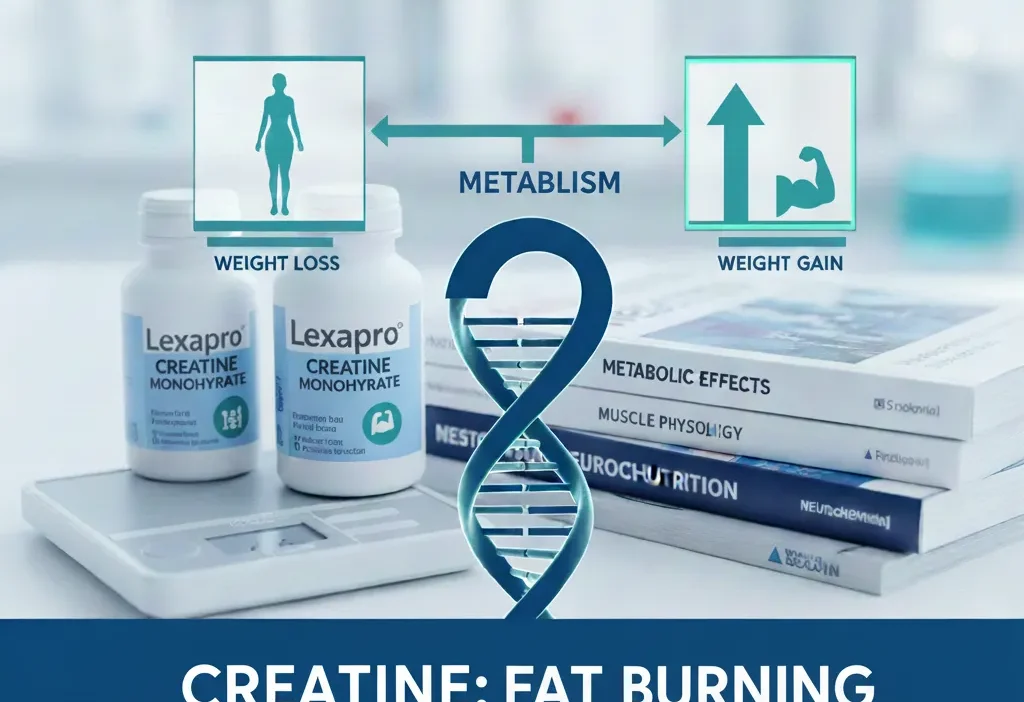
When most people think of creatine, images of bulky bodybuilders and strength athletes often come to mind. But what if this popular supplement could also support your weight loss journey? Creatine is a naturally occurring compound in the body that helps supply energy to your muscles during high-intensity workouts.
While its reputation is mostly tied to muscle gain, research shows that creatine can play a valuable role in fat loss and weight management when used correctly and paired with the right exercise routine.
Many misconceptions surround creatine, from the idea that it automatically causes weight gain to the belief that it’s only effective for men. In reality, creatine helps improve workout performance, preserve lean muscle mass during calorie deficits, and may indirectly enhance fat loss. In this article, we’ll explore how creatine works, bust common myths, and show how you can use it effectively for your weight management goals.
What is Creatine?
Creatine is a naturally occurring compound found in small amounts in foods like red meat and fish, and it’s also produced by the body in the liver, kidneys, and pancreas. Stored primarily in the muscles, creatine plays a key role in energy production during short bursts of high-intensity exercise, such as sprinting, weightlifting, or HIIT workouts. Essentially, it helps replenish adenosine triphosphate (ATP), the body’s main energy currency, allowing muscles to perform better and longer during demanding physical activity.
There are several forms of creatine supplements available, with creatine monohydrate being the most researched and effective for performance and muscle support. Other forms, like creatine hydrochloride (HCL) or buffered creatine, are marketed for faster absorption or reduced bloating, but research consistently supports monohydrate as the gold standard.
Despite its popularity, creatine is often misunderstood. Many assume it automatically leads to fat gain or is only beneficial for bodybuilders. In reality, any initial weight gain from creatine is usually due to water retention in the muscles—not fat. This increased water content can actually help muscles appear fuller and aid in better performance during workouts, which may indirectly support fat loss over time. Understanding what creatine is and how it works lays the foundation for seeing its potential benefits for weight management.
How Creatine Affects Body Composition
One of the key reasons creatine is often misunderstood is its effect on body composition. When people start taking creatine, they sometimes notice a slight increase in weight during the first few weeks. This is typically water retention within muscle cells, not fat gain. In fact, this extra water can make muscles look fuller and even improve performance during high-intensity exercise.
Creatine’s most significant impact on body composition comes from its ability to preserve and even build lean muscle mass, especially during calorie-restricted diets. Maintaining muscle while in a calorie deficit is crucial for weight loss because muscle tissue burns more calories at rest than fat tissue, helping to sustain metabolism. This means that taking creatine while dieting can indirectly support fat loss by helping your body retain lean mass and continue burning calories efficiently.
Additionally, creatine allows for more powerful and longer workouts, whether it’s lifting heavier weights or performing extra repetitions. Better workout performance increases total calorie expenditure, which contributes to fat loss over time. Several studies confirm that combining creatine supplementation with resistance training can improve body composition by increasing lean mass and reducing fat percentage, without directly causing weight gain.
In short, creatine doesn’t make you fat—it helps you train harder, retain muscle, and indirectly support fat loss, making it a useful supplement for those focused on weight management.
Creatine and Weight Loss: The Science
While creatine is widely known for enhancing strength and muscle growth, its role in weight loss is more indirect but scientifically supported. Creatine itself does not directly burn fat; instead, it improves your ability to perform high-intensity exercise, which in turn increases calorie expenditure. Studies show that individuals supplementing with creatine can lift heavier weights, perform more repetitions, or sustain intense workouts longer—all of which contribute to greater overall energy burn.
Another important factor is muscle preservation during calorie deficits. When you reduce calories to lose weight, your body risks breaking down muscle tissue for energy. Creatine helps prevent this by providing muscles with readily available energy, supporting their function and growth even while dieting. Preserving muscle is crucial because it maintains a higher metabolic rate, meaning your body continues to burn calories efficiently.
Research also suggests that creatine supplementation can improve body composition. In combination with resistance training, participants in studies typically see increased lean mass and reduced fat percentage, despite minimal changes in total body weight. This demonstrates that initial weight gain is primarily water and muscle—not fat.
In summary, creatine supports weight loss indirectly by improving exercise performance, preserving muscle mass, and promoting favorable changes in body composition. Far from being a fat-gain supplement, creatine can be a valuable tool for anyone aiming to slim down while maintaining strength.
Practical Tips for Using Creatine for Weight Management
If your goal is weight loss or improved body composition, using creatine correctly can make a noticeable difference. The most researched and effective form is creatine monohydrate, typically taken at 3–5 grams per day. Some people begin with a “loading phase” of 20 grams per day split into 4 doses for 5–7 days, but this is optional. The key is consistency, as regular daily intake ensures your muscles remain saturated with creatine.
Timing is flexible—creatine can be taken pre-workout, post-workout, or any time of day, as long as you take it consistently. Combining creatine with resistance training is essential, since it enhances muscle retention and workout intensity, which indirectly supports fat loss. For best results, pair creatine with high-intensity interval training (HIIT) or cardio, which further increases calorie expenditure.
Hydration is also important. Creatine draws water into your muscles, so drink plenty of water throughout the day to prevent bloating or dehydration. While some minor water weight may occur, this is temporary and contributes to muscle fullness rather than fat gain.
Lastly, track your progress. Monitor changes in strength, body composition, and performance, rather than focusing solely on the scale. By following these tips, creatine can become a powerful tool to maximize fat loss while preserving lean muscle, helping you achieve your weight management goals more effectively.
Potential Side Effects and Safety
Creatine is one of the most well-researched supplements in the world, and for most healthy individuals, it is safe when used correctly. The most common side effects are mild and temporary. These include water retention, bloating, and slight stomach discomfort, especially during the initial loading phase. Staying hydrated and splitting doses throughout the day can often reduce these effects.
Some people worry about long-term kidney or liver damage, but research shows that creatine does not harm healthy kidneys or liver function. Individuals with pre-existing kidney conditions should consult a doctor before starting supplementation, as a precaution. Similarly, those with underlying medical conditions or who are taking medications should speak with a healthcare professional.
Digestive issues, such as diarrhea or cramping, can sometimes occur if high doses are taken at once. Dividing the daily dose into smaller servings and taking it with meals can help prevent this.
It’s also worth noting that creatine is safe for both men and women, across different age groups, when used within recommended doses. Long-term studies have followed participants taking creatine for several years without observing serious adverse effects.
In short, creatine is a safe, effective, and well-tolerated supplement for most people. Minor side effects are manageable, and with proper use, it can support exercise performance, preserve muscle mass, and indirectly aid in fat loss, making it a valuable addition to a weight management plan.
Myths and Misconceptions About Creatine
Creatine is one of the most misunderstood supplements in the fitness world, and many myths have led people to avoid it unnecessarily. Addressing these misconceptions can help you use creatine effectively for weight management.
Myth 1: Creatine makes you fat.
This is one of the biggest misconceptions. Any initial weight gain from creatine is usually water retention in muscles, not fat. Over time, creatine can actually support fat loss indirectly by helping you maintain or build lean muscle, which boosts metabolism.
Myth 2: Creatine is only for bodybuilders or men.
Creatine is effective for both men and women, and for anyone performing high-intensity exercise. Women can benefit equally from increased strength, better performance, and muscle preservation during weight loss.
Myth 3: You must do a loading phase or it won’t work.
While a loading phase can saturate muscles faster, it is not necessary. Taking a consistent daily dose of 3–5 grams will achieve the same results over a few weeks.
Myth 4: Creatine is a steroid or unsafe.
Creatine is a natural compound found in food and the body. It is not a steroid, and research consistently shows it is safe for healthy individuals when used properly.
By understanding the science and debunking these myths, you can confidently use creatine as a tool to enhance workout performance, preserve lean muscle, and indirectly support weight loss goals.
Frequently Asked Questions
1. Can I take creatine while on a calorie deficit?
Yes! Creatine can be especially helpful during a calorie deficit because it helps preserve lean muscle mass, which is crucial for maintaining metabolism while losing fat.
2. Will creatine make me bloated?
Some water retention is common in the first few weeks, but this is temporary and occurs within the muscles, not as fat. Drinking plenty of water and splitting doses can minimize bloating.
3. Is creatine effective for women too?
Absolutely. Women respond similarly to men, gaining strength, improving performance, and preserving muscle during weight loss.
4. How long before I see results?
Muscle fullness and performance improvements can be noticed within 1–2 weeks, while changes in body composition may take 4–6 weeks with consistent use and training.
5. Which type of creatine is best for weight loss?
Creatine monohydrate is the most studied, affordable, and effective option. Other forms exist, but they don’t consistently outperform monohydrate.
6. Can I combine creatine with cardio or HIIT?
Yes. Creatine primarily supports high-intensity and strength training, but combining it with cardio or HIIT can maximize calorie burn and fat loss while preserving muscle.
By addressing these common questions, it becomes clear that creatine is a safe and effective supplement for supporting weight management, improving workouts, and enhancing overall body composition.
Conclusion
Creatine is often misunderstood as a supplement solely for bulking or building muscle, but research and practical experience show it can also support weight management and fat loss goals. While creatine does not directly burn fat, it enhances your ability to perform high-intensity workouts, which increases calorie expenditure and helps maintain lean muscle mass during calorie deficits. Preserving muscle is essential for sustaining a healthy metabolism, making fat loss more effective and long-lasting.
Initial weight gain from creatine is usually due to water retention in muscles, not fat, and this effect can actually improve muscle performance and appearance. Both men and women benefit from creatine supplementation, and it can be safely included in your diet with proper dosage and hydration. The most effective form remains creatine monohydrate, typically taken at 3–5 grams per day. Timing is flexible, but consistency is key for optimal results.
By debunking common myths, understanding its scientific role, and following practical tips, creatine can be a valuable tool in your weight loss toolkit. Combined with resistance training, cardio, and a balanced diet, it helps you preserve muscle, improve performance, and indirectly promote fat loss.
In short, creatine is safe, effective, and versatile a supplement that not only supports strength and performance but also helps you achieve your body composition and weight management goals more efficiently.

I’m Elijah, the mind behind Punsboxx.com. As a true Pun Master, I love twisting words into clever laughs and serving fresh humor that never goes out of style!