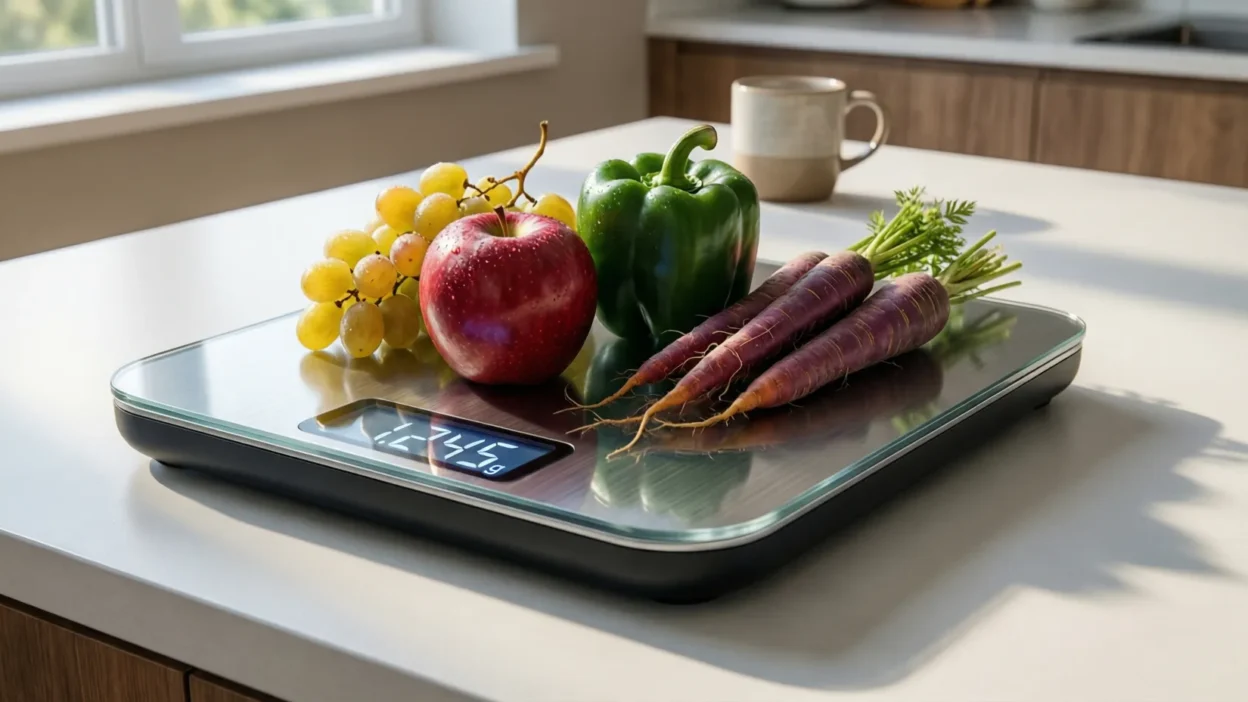
Cooking the perfect meal or baking the ideal cake isn’t just about following a recipe it’s about precision. That’s where a food weight scale becomes an essential kitchen companion. Unlike guessing measurements, a food scale allows you to weigh ingredients accurately, ensuring your dishes turn out perfectly every time.
From measuring flour for a delicate cake to portioning protein for a healthy meal, a kitchen scale helps reduce mistakes and saves time. It’s not just for cooking enthusiasts anyone aiming for better portion control, calorie tracking, or meal prep efficiency can benefit.
With a wide variety of options available, from simple mechanical scales to smart digital models, choosing the right food measuring scale can seem overwhelming. This guide will walk you through everything you need to know about food weight scales, including types, features, benefits, and tips to make the most of this handy kitchen tool.
What is a Food Weight Scale?
A food weight scale, also called a kitchen scale, is a tool designed to measure the weight of food ingredients accurately. Unlike measuring cups or spoons, which rely on volume and can be inconsistent, a food scale ensures precise measurements every time. This precision is especially important in baking, where even small differences in ingredient weight can affect the final result.
Food scales come in different types, including mechanical, digital, and smart scales. Mechanical scales use a spring mechanism to show weight, while digital scales display exact measurements on an LCD screen. Smart scales can even connect to apps to track calories, macros, and portion sizes.
Using a food weight scale can improve cooking efficiency, reduce food waste, and help maintain a healthy diet. It’s not just for professional chefs—home cooks, bakers, and anyone focused on nutrition can benefit. From weighing flour and sugar for precise baking to measuring protein portions for meal prep, a food measuring scale ensures consistency, accuracy, and convenience in the kitchen.
With the basics covered, let’s explore why a food weight scale is a must-have kitchen tool in the next section.
Why You Need a Food Weight Scale
A food weight scale is more than just a kitchen gadget—it’s a game-changer for anyone serious about cooking, baking, or maintaining a healthy lifestyle. One of the main reasons to use a food scale is accuracy. Measuring ingredients by weight is far more precise than using cups or spoons, which can vary depending on how tightly something is packed. This precision is especially crucial for baking, where even small measurement errors can affect texture and taste.
Another major benefit is portion control. If you’re tracking calories or following a diet plan, a food scale allows you to measure exact servings, helping you stay on track without guesswork. It also promotes healthier eating habits, as you can accurately control portions of proteins, carbs, and fats in your meals.
Using a food scale also reduces food waste. By measuring only what you need, you avoid over-purchasing ingredients or throwing out leftovers. Additionally, meal prepping becomes faster and more organized, saving both time and money.
In short, whether you’re a home cook, baker, or health-conscious eater, a kitchen scale is an essential tool for precision, convenience, and smarter cooking.
Types of Food Weight Scales
When it comes to food weight scales, there are several types to choose from, each designed to suit different cooking needs and preferences. Understanding the differences can help you pick the perfect scale for your kitchen.
Mechanical Scales are the traditional option, using a spring mechanism to measure weight. They don’t require batteries and are often durable and simple to use. However, they may not be as precise as digital models and can be harder to read for small measurements.
Digital Food Scales are the most popular choice today. They provide accurate readings on an LCD display, often with features like tare function, unit conversion, and high precision down to a gram. Digital scales are ideal for baking, portion control, and precise meal prep.
Smart Food Scales are an advanced option for tech-savvy users. These scales connect to smartphones or apps via Bluetooth to track calories, macros, and meal data. They are perfect for people following strict diets or those who want detailed nutrition tracking.
Choosing the right kitchen scale depends on your needs. If you want simplicity, a mechanical scale works fine. For accuracy and versatility, a digital scale is ideal, while smart scales offer the most features for health-conscious users.
Key Features to Look For in a Food Weight Scale
When choosing a food weight scale, it’s important to consider features that make your cooking, baking, and meal prep more accurate and convenient.
Precision and Accuracy are the most important factors. Look for a scale that measures in small increments, usually 1 gram or 0.1 ounces, to ensure exact measurements for recipes and portion control.
Tare Function is essential. This allows you to zero out the weight of a bowl or container, so you measure only the ingredients. It’s a simple feature that saves time and improves accuracy.
Capacity and Size matter too. Most kitchen scales handle up to 5 kg (11 lbs), which is enough for most cooking needs. Compact scales are ideal for small kitchens, while larger models are better for bulk ingredients.
Material and Design affect durability and ease of cleaning. Stainless steel surfaces are long-lasting and easy to wipe clean, while glass designs offer a sleek look.
Additional Features to consider include auto-off function for battery saving, unit conversion between grams, ounces, pounds, and milliliters, and smart connectivity for tracking nutrition.
By prioritizing these features, you’ll find a food measuring scale that perfectly fits your cooking style and lifestyle.
How to Use a Food Weight Scale Effectively
Using a food weight scale may seem simple, but a few tips can help you get the most accurate and efficient results. First, always place the scale on a flat, stable surface. Uneven surfaces can give inaccurate readings.
Most digital food scales have a tare function, which allows you to subtract the weight of bowls or containers. To use it, place your empty container on the scale, press the tare button to reset the reading to zero, and then add your ingredient. This ensures you measure only what matters.
When weighing liquids, many scales allow you to switch between grams, ounces, or milliliters. Always use a container, tare the scale, and pour slowly for precision.
For multiple ingredients, measure each one separately using the tare function to avoid calculation errors. If you’re tracking calories or macros, write down or log the weight immediately for accurate tracking.
Finally, avoid overloading the scale beyond its maximum capacity, and clean it regularly to maintain accuracy. With these simple steps, your kitchen scale becomes an indispensable tool for precise cooking, baking, and portion control.
Top 5 Food Weight Scales in 2026
Choosing the right food weight scale can make a huge difference in your cooking and meal prep. Here are the top 5 scales for 2026:
1. OXO Good Grips Digital Scale – Highly accurate and easy to use, with a clear display and tare function. Perfect for baking and portion control.
2. Etekcity Digital Kitchen Scale – Affordable and precise, featuring multiple units, tare function, and a sleek stainless-steel design. Ideal for everyday cooking.
3. GreaterGoods Nourish Smart Scale – Connects to apps for calorie and macro tracking. Great for health-conscious users and meal prep enthusiasts.
4. Escali Primo Digital Scale – Compact, lightweight, and durable. Measures in grams, ounces, and pounds, making it perfect for small kitchens.
5. Ozeri Pronto Digital Scale – Budget-friendly and reliable, with auto-off function and easy-to-read display. Works well for both solids and liquids.
All these scales offer accuracy, ease of use, and durability. When choosing one, consider your cooking style, kitchen space, and whether you need smart features. Investing in a quality food measuring scale ensures precise measurements, healthier meals, and less food waste.
Food Weight Scale for Dieting and Nutrition
A food weight scale is a powerful tool for anyone focused on dieting, calorie tracking, or healthy eating. Controlling portions and monitoring nutrient intake becomes effortless when you can measure ingredients accurately.
For weight loss or maintenance, tracking calories is essential. A scale lets you weigh proteins, carbs, and fats precisely, so you can log your meals accurately in apps or journals. This reduces guesswork and helps prevent overeating.
Meal prepping also becomes much easier with a kitchen scale. By measuring ingredients for each meal in advance, you can create balanced plates with proper portions. This is particularly helpful for athletes, fitness enthusiasts, or anyone following a structured diet plan.
Even small details, like weighing nuts, grains, or oils, can make a big difference in daily calorie intake. A digital food scale with a tare function allows you to layer ingredients in one bowl without mixing measurements, saving time and ensuring accuracy.
In short, whether you’re counting calories, tracking macros, or prepping healthy meals, a food weight scale is an essential companion for smarter, healthier eating. Accurate measurements mean better results and more consistent nutrition.
Frequently Asked Questions About Food Weight Scales
1. Are digital scales more accurate than mechanical scales?
Yes, digital scales generally provide more precise measurements, often down to 1 gram or 0.1 ounces. Mechanical scales can be less accurate, especially for small amounts.
2. Can I weigh liquids on a food scale?
Absolutely. Use a container and press the tare button to zero out its weight. Most digital scales allow switching between grams, ounces, and milliliters for easy liquid measurement.
3. How precise do I need my food scale to be?
For most cooking and baking, a scale accurate to 1 gram or 0.1 ounces is sufficient. For strict dieting or baking delicate recipes, higher precision is recommended.
4. Are smart food scales worth it?
Smart scales are ideal if you want to track calories, macros, and meal data through an app. They are convenient for health-conscious users but not necessary for casual cooking.
5. How do I clean and maintain my scale?
Wipe the surface with a damp cloth after each use. Avoid submerging digital scales in water. Regular cleaning and careful handling prolong accuracy and lifespan.
Conclusion
A food weight scale is more than just a kitchen accessory—it’s a vital tool for anyone who wants precision, consistency, and healthier eating habits. Whether you’re a baker perfecting delicate recipes, a home cook aiming for balanced meals, or someone tracking calories and macros, a kitchen scale makes life easier and more efficient. Accurate measurements eliminate guesswork, reduce food waste, and ensure that every dish turns out perfectly.
From mechanical scales to digital and smart models, there’s a food scale for every kitchen and every need. The key is choosing one with the right features, such as high precision, tare function, suitable capacity, and durability. Using a scale effectively allows you to control portions, prep meals in advance, and track nutrition accurately.
Investing in a quality food measuring scale is a small step that delivers big results for cooking, baking, and health. If you haven’t already, consider adding one to your kitchen today—it will save you time, improve your recipes, and help you maintain a healthier lifestyle. Precise cooking starts with precise measurements, and a food scale is the easiest way to achieve them.

I’m Luca, the voice behind Punsboxx.com, where I create simple, clever puns to make people smile with everyday humor.