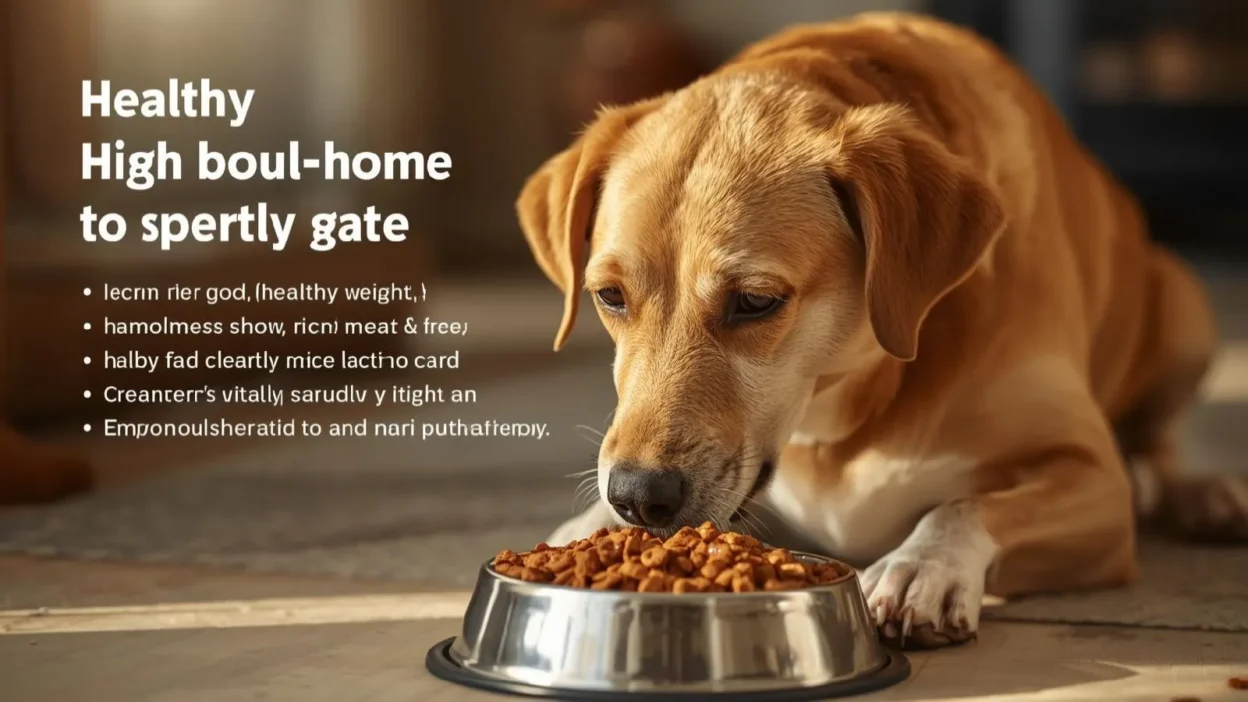
Many dogs struggle with being underweight due to illness, high activity levels, stress, or poor nutrition. While some breeds are naturally lean, visible ribs, low energy, and a dull coat can signal that your dog isn’t getting enough calories to stay healthy.
Maintaining an ideal weight is essential for supporting your dog’s immune system, muscle development, and overall vitality. This is where high calorie dog food for weight gain becomes an effective and safe solution.
High calorie dog food is specially formulated to deliver more energy, protein, and healthy fats in every serving, allowing dogs to gain weight without overeating or digestive strain. When chosen correctly, it promotes healthy muscle growth rather than unhealthy fat gain.
In this guide, we’ll explore how high calorie dog food works, which nutrients matter most, how to choose the right option for your dog, and the safest feeding strategies to achieve steady, healthy weight gain.
How to Tell If Your Dog Is Underweight
Determining whether your dog is underweight is the first step toward improving their health. While some dogs naturally have a slim build, excessive thinness can indicate nutritional or medical concerns. One of the most obvious visual signs is prominently visible ribs, spine, or hip bones. When viewed from above, an underweight dog may have an exaggerated waist, and from the side, the abdomen may appear sharply tucked rather than gently curved.
Physical and behavioral signs are equally important. Underweight dogs often have low energy levels, fatigue easily, and may struggle to maintain muscle tone. A dull, dry coat or excessive shedding can also suggest poor nutrition. In some cases, dogs may seem constantly hungry yet fail to gain weight, which can point to digestive or absorption issues.
Veterinarians commonly use the Body Condition Score (BCS) system to assess a dog’s weight. This scale typically ranges from 1 (severely underweight) to 9 (obese), with a healthy score falling between 4 and 5. If your dog scores below this range, weight gain may be necessary.
If weight loss appears sudden or unexplained, it’s important to consult a veterinarian before changing diets. Identifying whether your dog is truly underweight ensures that introducing high calorie dog food is both appropriate and effective.
Common Reasons Dogs Struggle to Gain Weight
Dogs may have difficulty gaining weight for a variety of reasons, and understanding the underlying cause is essential before adjusting their diet. One of the most common factors is medical issues. Parasites, gastrointestinal disorders, dental problems, and chronic illnesses can interfere with appetite or prevent proper nutrient absorption. Dogs recovering from surgery or illness may also experience temporary weight loss due to reduced food intake and increased energy demands during healing.
Lifestyle and activity levels play a major role as well. Highly active or working dogs burn significantly more calories than sedentary pets, making it difficult to maintain a healthy weight on standard dog food. Stress, anxiety, or changes in environment such as moving to a new home can also reduce appetite and lead to gradual weight loss.
Another key reason is poor-quality nutrition. Some dog foods are low in calorie density, meaning dogs must eat large portions to meet their energy needs. Picky eaters may not consume enough food, while low-quality ingredients and fillers can limit nutrient absorption.
In many cases, weight gain stalls because owners increase food volume rather than nutritional value. This can overwhelm a dog’s digestive system without delivering enough calories. Identifying these factors helps determine when high calorie dog food for weight gain is the most effective and healthiest solution.
What Is High Calorie Dog Food?
High calorie dog food is specially formulated to provide more energy per serving than standard dog food, making it ideal for underweight dogs or those with increased nutritional needs. Instead of simply increasing meal size, this type of food concentrates calories through higher levels of quality protein and healthy fats, allowing dogs to gain weight efficiently and safely.
Unlike regular dog food, which may contain fillers that add bulk without nutrition, high calorie dog food focuses on nutrient density. This means each cup delivers more usable energy, essential amino acids, vitamins, and minerals. As a result, dogs can consume smaller portions while still meeting their daily calorie requirements, reducing the risk of digestive upset.
High calorie dog food for weight gain is particularly beneficial for dogs with high metabolisms, working breeds, seniors struggling to maintain weight, and dogs recovering from illness or surgery. It also helps picky eaters who may not finish large meals but can tolerate calorie-rich food in smaller amounts.
However, higher calories alone are not enough. A well-balanced formula ensures weight gain comes from lean muscle development rather than unhealthy fat accumulation. When introduced gradually and fed correctly, high calorie dog food supports steady weight gain, improved energy levels, a healthier coat, and overall better physical condition without compromising digestive health.
Key Nutrients That Support Healthy Weight Gain
Not all calories contribute to healthy weight gain, which is why the nutrient composition of high calorie dog food matters as much as the calorie count itself. The goal is to help dogs gain weight through lean muscle development, sustained energy, and improved overall health.
Protein is the most important nutrient for weight gain. High-quality animal proteins such as chicken, beef, fish, and lamb support muscle growth and tissue repair. Adequate protein ensures that added weight comes from muscle rather than excess fat, which is especially important for active and recovering dogs.
Healthy fats provide the highest calorie density and are essential for efficient weight gain. Fats supply more than twice the calories of protein or carbohydrates and help improve coat condition, skin health, and brain function. Sources like chicken fat, fish oil, and flaxseed oil also provide omega-3 and omega-6 fatty acids that reduce inflammation and support immunity.
Carbohydrates play a supporting role by supplying quick, digestible energy. Whole grains, sweet potatoes, and brown rice help fuel daily activity without causing sudden blood sugar spikes when properly balanced.
Finally, vitamins and minerals such as B vitamins, zinc, iron, and calcium aid metabolism, muscle function, and bone strength. A balanced blend of these nutrients ensures weight gain is steady, sustainable, and beneficial to your dog’s long-term health.
Types of High Calorie Dog Food
High calorie dog food comes in several forms, each with unique benefits and considerations depending on your dog’s preferences, lifestyle, and health needs. Choosing the right type ensures your dog gains weight safely and enjoys their meals.
1. Dry High Calorie Dog Food (Kibble):
Dry kibble is convenient, easy to store, and helps maintain dental health by reducing tartar buildup. High calorie kibble is formulated with higher protein and fat content, providing concentrated energy in every bite. It is ideal for dogs who prefer crunchier textures and can handle chewing larger pieces.
2. Wet High Calorie Dog Food (Canned):
Wet food is highly palatable and often more appealing to picky eaters. It contains higher moisture content, which aids hydration, and the dense nutrient profile allows underweight dogs to consume fewer meals while still getting enough calories. The downside is shorter shelf life once opened.
3. Fresh & Homemade High Calorie Diets:
Homemade diets let owners control ingredients, ensuring high-quality proteins and healthy fats. Recipes can be tailored to specific dietary needs or allergies, but careful formulation is essential to provide balanced nutrition and prevent deficiencies.
4. High Calorie Supplements:
Gels, powders, and toppers can boost daily calories without changing the main diet. They are especially useful for dogs recovering from illness or with poor appetite.
By understanding these options, owners can select the most effective high calorie dog food for their dog’s weight gain journey.
Best High Calorie Dog Food for Weight Gain – What to Look For
Choosing the right high calorie dog food is crucial to ensure healthy, sustainable weight gain. Not all calorie-rich foods are created equalquality, nutrient balance, and digestibility matter more than sheer calorie content.
1. High-Quality Protein Sources:
Look for foods that list meat, fish, or poultry as the first ingredient. High-quality protein supports muscle growth and repair, ensuring that added weight comes from lean mass rather than fat. Avoid foods that rely heavily on by-products or fillers as their primary protein source.
2. Healthy Fats:
Fat is a dense energy source that helps dogs gain weight efficiently. Ingredients like chicken fat, fish oil, or flaxseed oil provide not only calories but also essential fatty acids for coat health, skin condition, and overall wellbeing.
3. Calorie Density & Nutrient Balance:
A good high calorie dog food should pack more calories per cup without sacrificing vitamins, minerals, and amino acids. Balanced nutrition ensures your dog gains weight safely while supporting energy, immunity, and metabolism.
4. Digestibility:
Easily digestible ingredients help your dog absorb nutrients efficiently. Foods containing whole grains, vegetables, and prebiotics can support digestion and nutrient absorption.
5. Avoid Fillers and Artificial Additives:
Stay away from low-quality fillers, artificial colors, flavors, or preservatives. They add bulk but little nutritional value and can lead to digestive issues.
Selecting the right high calorie dog food tailored to your dog’s size, age, and activity level is key to achieving healthy weight gain effectively.
How to Safely Transition to High Calorie Dog Food
Introducing a new high calorie dog food too quickly can upset your dog’s digestive system, leading to diarrhea, vomiting, or loss of appetite. A gradual transition ensures that your dog adjusts to the richer nutrients and higher fat content safely.
1. Start Slowly:
Begin by mixing 25% of the new high calorie food with 75% of your dog’s current food. This allows their stomach and gut microbiome to adapt to the denser, more nutrient-rich formula.
2. Gradually Increase:
Over 7 to 10 days, gradually increase the proportion of high calorie dog food while decreasing the old food. By the end of the transition period, your dog should be eating 100% of the new formula.
3. Monitor Your Dog:
Keep an eye on your dog’s stool, appetite, and energy levels. Mild soft stools are normal initially, but persistent diarrhea or vomiting may indicate that the transition is too fast or the formula is not suitable.
4. Adjust Feeding Amounts:
Start with the feeding guidelines provided on the food label, but adjust according to your dog’s appetite, activity level, and weight progress. Frequent small meals can be easier for underweight dogs to handle than large portions.
5. Consult a Veterinarian if Needed:
If your dog has underlying health issues or digestive sensitivities, ask your vet for guidance. A careful transition ensures weight gain is effective, safe, and sustainable.
Feeding Guidelines for Weight Gain
Once your dog has successfully transitioned to high calorie dog food, proper feeding strategies are essential for healthy weight gain. Overfeeding can lead to digestive issues, while underfeeding may slow progress.
1. Determine Calorie Needs:
Each dog’s caloric requirements depend on age, weight, breed, and activity level. Puppies, working dogs, and underweight adult dogs generally need more calories than sedentary adult dogs. Check the feeding recommendations on the dog food label as a starting point, but be ready to adjust based on your dog’s weight and appetite.
2. Feed Smaller, Frequent Meals:
Underweight dogs often benefit from 3–4 smaller meals per day instead of 1–2 large ones. Smaller portions are easier to digest and help maximize calorie absorption, reducing the risk of digestive upset.
3. Monitor Weight Progress:
Weigh your dog weekly and track body condition scores. Healthy weight gain is typically 0.5–1% of body weight per week. If your dog is gaining too slowly, slightly increase meal portions or add a calorie-dense topper.
4. Maintain Consistency:
Stick to regular feeding times and avoid sudden diet changes. Consistency helps regulate metabolism, digestion, and appetite.
5. Avoid Unhealthy Additions:
Do not supplement with human junk food or excessive treats, which can lead to fat gain rather than lean muscle.
Following these guidelines ensures that your dog gains weight safely, steadily, and in a way that supports overall health and vitality.
High Calorie Dog Food for Special Cases
Some dogs require specialized approaches when it comes to gaining weight. Puppies, seniors, working dogs, and dogs recovering from illness each have unique nutritional needs that must be considered to ensure safe, effective weight gain.
1. Puppies Needing Weight Gain:
Growing puppies require nutrient-dense, high calorie diets to support rapid growth and muscle development. Choose foods formulated specifically for puppies, which provide the right balance of protein, fat, and essential vitamins and minerals. Avoid excessive fat, which can stress developing joints.
2. Senior Dogs:
Older dogs often struggle to maintain weight due to decreased appetite, dental issues, or digestive sensitivities. High calorie senior dog foods are typically easier to chew and digest while still supplying essential protein and healthy fats to support muscle mass and coat condition.
3. Working and Active Dogs:
Highly active or working breeds burn more calories and require concentrated nutrition to sustain energy. High calorie dog foods with elevated protein and fat content help maintain body weight, improve endurance, and aid muscle recovery.
4. Dogs Recovering from Illness or Surgery:
Recovery increases energy demands while appetite may be reduced. Calorie-dense, nutrient-rich foods provide essential nutrition in smaller portions, supporting healing and preventing further weight loss.
In all these cases, consulting a veterinarian ensures that your dog receives the most appropriate formula and feeding plan for their life stage, activity level, and health condition. Tailored nutrition promotes safe, steady, and healthy weight gain.
Homemade High Calorie Dog Food: Recipes & Tips
For dog owners who prefer more control over ingredients, homemade high calorie dog food can be an effective option for healthy weight gain. When prepared correctly, it allows you to use high-quality proteins, healthy fats, and nutrient-dense ingredients tailored to your dog’s specific needs.
1. Protein Sources:
Include lean meats like chicken, turkey, beef, or fish as the primary protein. Eggs are also excellent for additional protein and calories. Protein helps build lean muscle mass while supporting overall health.
2. Healthy Fats:
Add calorie-dense, digestible fats such as olive oil, fish oil, or coconut oil. These fats supply energy, improve coat and skin health, and contribute to steady weight gain.
3. Carbohydrates:
Cooked sweet potatoes, brown rice, oats, or quinoa provide easily digestible energy. Carbs supply calories and fiber without overwhelming the digestive system.
4. Vitamins and Minerals:
Incorporate vegetables like carrots, spinach, or pumpkin for essential vitamins and minerals. Consider a vet-approved supplement if your dog’s diet may be lacking key nutrients.
5. Tips for Success:
- Introduce new ingredients gradually.
- Avoid toxic human foods such as chocolate, grapes, onions, or garlic.
- Portion meals according to calorie needs and track weight weekly.
- Ensure balance: too much fat or protein can lead to digestive issues.
Homemade high calorie dog food, when prepared thoughtfully, can be a safe and nutritious way to help your dog gain weight while maintaining overall health.
Frequently Asked Questions
1. Is high calorie dog food safe for all dogs?
High calorie dog food is generally safe when fed to dogs that need to gain weight due to being underweight, active, or recovering from illness. It is not recommended for dogs already at a healthy or overweight condition, as it can cause obesity. Always consult your veterinarian before starting any high calorie diet.
2. How long does it take for a dog to gain weight?
Healthy weight gain is gradual, typically around 0.5–1% of body weight per week. Rapid weight gain can strain organs and lead to fat accumulation rather than muscle. Monitor your dog weekly and adjust feeding as needed.
3. Can I feed human food to help my dog gain weight?
Some human foods, like cooked chicken or rice, can supplement your dog’s diet. However, avoid junk food, chocolate, onions, garlic, and processed foods, which are toxic or unbalanced for dogs. High calorie dog food is safer and nutritionally complete.
4. How many calories does my dog need to gain weight?
Caloric needs vary based on age, weight, activity level, and metabolism. High calorie dog foods provide concentrated energy, but portion size should be adjusted weekly based on your dog’s progress. A veterinarian can calculate exact calorie requirements.
5. Can high calorie dog food cause obesity?
Yes if fed to a dog that doesn’t need extra calories, it can lead to rapid weight gain and obesity. Only use high calorie formulas for dogs who are underweight or have higher energy demands.
Conclusion & Call to Action
Helping your dog achieve a healthy weight is essential for their overall well-being, energy levels, and longevity. Being underweight can result from medical issues, high activity, poor nutrition, or recovery from illness, and addressing it safely requires a careful, balanced approach. High calorie dog food for weight gain provides a practical, nutrient-dense solution by delivering the right mix of protein, healthy fats, carbohydrates, vitamins, and minerals in every meal.
When selecting high calorie dog food, focus on quality ingredients, digestibility, and a balanced nutrient profile. Gradually transitioning your dog to a richer formula, monitoring their weight weekly, and feeding smaller, frequent meals ensures steady and healthy weight gain. Special considerations may be needed for puppies, senior dogs, working breeds, or dogs recovering from illness, and consulting a veterinarian can help tailor the plan to your dog’s specific needs.
In addition to commercial options, homemade high calorie recipes and vet-approved supplements can complement the diet and provide variety. Avoid overfeeding or adding unhealthy treats, as this can lead to fat accumulation rather than lean muscle development.
Take action today by evaluating your dog’s current weight and nutritional needs, choosing a high-quality high calorie dog food, and creating a consistent feeding plan. With the right approach, your dog can gain weight safely, build stronger muscles, maintain energy, and enjoy a healthier, happier life.

I’m Luca, the voice behind Punsboxx.com, where I create simple, clever puns to make people smile with everyday humor.