Losing weight can feel like an uphill battle, especially when diet and exercise alone don’t deliver the results you hope for. For many, semaglutide has emerged as a promising solution a medication clinically proven to help reduce appetite and support significant weight loss.
But while it’s easy to get excited about the potential results, one of the most common questions is: how long should you stay on semaglutide to see lasting benefits? The answer isn’t one-size-fits-all.
Treatment duration can vary depending on your weight loss goals, how your body responds, and guidance from your healthcare provider. Understanding the recommended timelines, potential side effects, and strategies for maintaining results is essential for safe and effective weight management.
In this article, we’ll break down the evidence from clinical studies, explore expert recommendations, and give practical advice on how to make semaglutide work for you without compromising your health.
Understanding Semaglutide
Semaglutide is a prescription medication that belongs to a class of drugs called GLP-1 receptor agonists. Originally developed to manage type 2 diabetes, it has gained popularity for its ability to aid weight loss. Semaglutide works by mimicking a hormone in the body called glucagon-like peptide-1 (GLP-1), which helps regulate appetite and blood sugar levels. By slowing stomach emptying and promoting feelings of fullness, it naturally reduces calorie intake, making it easier to stick to a healthy eating plan.
There are different forms of semaglutide available, including weekly injections and daily oral tablets, though the injectable form is most commonly prescribed for weight management. Treatment usually begins with a low dose, gradually increasing over several weeks to reduce potential side effects such as nausea, vomiting, or constipation.
Clinical studies have shown that when combined with a reduced-calorie diet and increased physical activity, semaglutide can lead to significant weight loss. On average, participants in trials lost between 10–15% of their body weight over 68–72 weeks. However, results can vary depending on individual factors such as age, metabolism, and adherence to lifestyle changes.
Understanding how semaglutide works and the proper dosing schedule is crucial for setting realistic expectations and maximizing weight loss safely.
How Long Do People Stay on Semaglutide
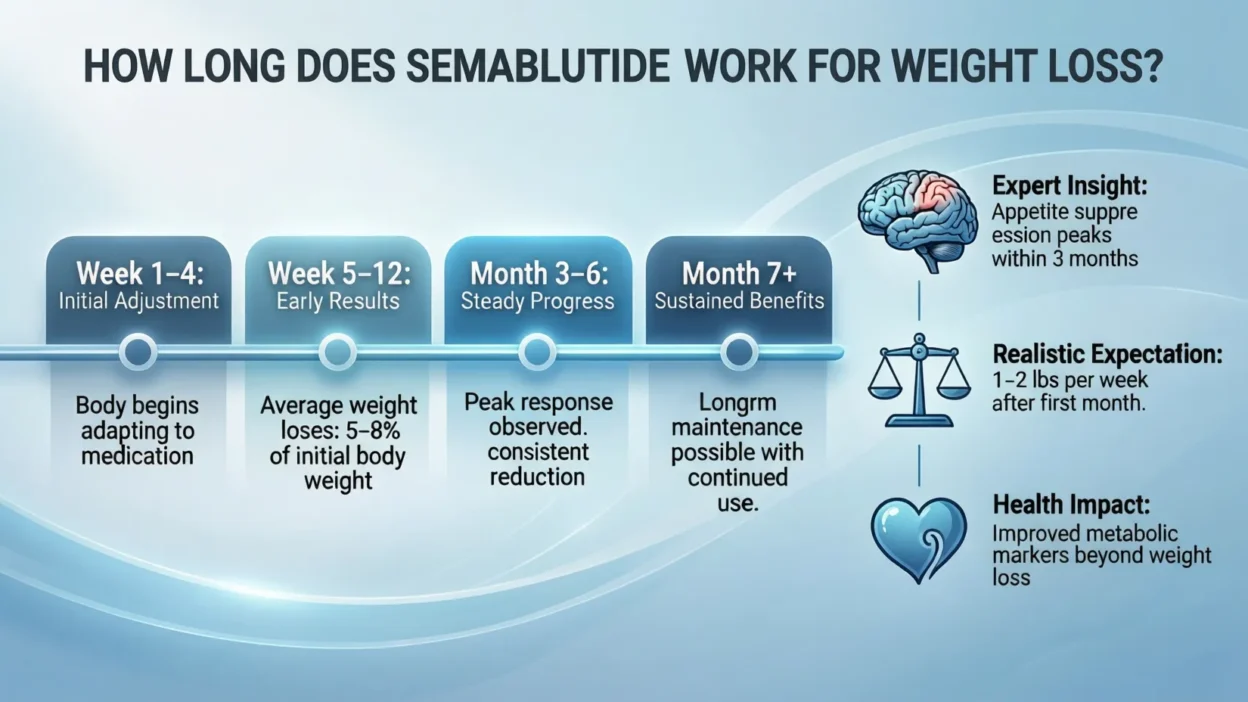
The duration of semaglutide treatment for weight loss can vary widely depending on individual goals, response to the medication, and medical guidance. Clinical trials, such as the STEP studies, provide the most reliable data on typical treatment timelines. In these trials, participants used semaglutide for approximately 68 to 72 weeksaround 16 to 18 monthsand achieved significant weight loss, often between 10–15% of their starting body weight. Most people begin to see noticeable results within the first 12 to 16 weeks, though weight loss tends to gradually slow down after six months, eventually reaching a plateau.
Healthcare providers often recommend continuing semaglutide beyond initial weight loss to maintain results. Stopping the medication too soon can lead to partial weight regain, especially if lifestyle habits like diet and exercise aren’t firmly established. Conversely, some individuals may need long-term treatment for sustained weight management, particularly if they have obesity-related health risks.
It’s important to remember that treatment duration isn’t the same for everyone. Factors such as age, metabolism, tolerance to side effects, and overall health play a role in determining how long semaglutide is appropriate. Working closely with a healthcare professional ensures a personalized plan that balances effectiveness, safety, and long-term success.
Factors That Influence Duration
The length of time someone stays on semaglutide for weight loss depends on several individual factors. One of the primary considerations is weight loss goals. Individuals aiming for a modest 5–10% reduction in body weight may need a shorter course than those seeking more substantial results. Progress is monitored regularly, and the dosage or duration may be adjusted based on how the body responds.
Side effects and tolerance also play a significant role. Common side effects include nausea, vomiting, and constipation, especially during the initial weeks of treatment. Patients who experience severe or persistent discomfort may need a slower dose escalation or temporary breaks, which can extend the overall duration of treatment.
Another key factor is lifestyle integration. Semaglutide is most effective when paired with a balanced diet, regular physical activity, and behavioral strategies to prevent overeating. Patients who commit to lifestyle changes alongside medication often reach their goals more efficiently and may maintain results with shorter or moderate-term use.
Finally, medical considerations matter. Pre-existing conditions such as type 2 diabetes, gastrointestinal issues, or heart disease can influence both dosage and length of treatment. Regular consultations with a healthcare provider help tailor the plan safely, ensuring semaglutide is used effectively without compromising overall health.
In short, there’s no universal timeline/treatment duration is highly personalized and requires ongoing monitoring and adjustments.
Risks and Considerations of Long-Term Use
While semaglutide is generally considered safe and effective, long-term use does come with important considerations. The most common side effects are gastrointestinal, including nausea, vomiting, diarrhea, constipation, and abdominal discomfort. These often appear during the initial weeks of treatment and may decrease as the body adjusts, but persistent or severe symptoms should be discussed with a healthcare provider.
There are also rare but serious risks associated with prolonged use. Some studies have noted potential links to pancreatitis, gallbladder problems, and changes in kidney function. While these are uncommon, monitoring is essential, especially for individuals with pre-existing medical conditions. Regular check-ups, including blood work and overall health assessments, help ensure early detection of any complications.
Cost and accessibility are additional factors. Semaglutide can be expensive, and insurance coverage may vary depending on the indication and region. Long-term use may require financial planning to maintain consistent treatment.
Finally, one critical consideration is weight maintenance. Stopping semaglutide abruptly can lead to weight regain if lifestyle changes are not firmly established. Patients are encouraged to combine the medication with healthy eating, physical activity, and behavioral strategies to sustain results beyond the treatment period.
Understanding these risks and planning for long-term management ensures semaglutide is used safely and effectively, maximizing benefits while minimizing potential complications.
Tips for Maximizing Results
Semaglutide can be a powerful tool for weight loss, but combining it with smart strategies significantly improves results and helps maintain weight reduction over time. The first step is to follow the prescribed dosing schedule carefully. Gradual dose escalation reduces side effects and allows your body to adjust, ensuring you can stay on the medication long enough to see meaningful results.
Lifestyle changes are equally important. A balanced, reduced-calorie diet paired with regular physical activity amplifies the effects of semaglutide. Incorporating high-protein meals, fiber-rich foods, and plenty of water helps manage hunger, while consistent exercise including both cardio and strength training supports fat loss and preserves muscle mass.
Tracking progress is another key strategy. Keeping a journal of weight, body measurements, energy levels, and side effects provides a clear picture of your progress and highlights areas that need adjustment. Monitoring trends rather than day-to-day fluctuations prevents frustration and encourages consistency.
Setting realistic expectations also matters. Weight loss may be gradual, often plateauing after several months, but staying consistent with medication and lifestyle habits can help you achieve long-term success.
Finally, stay in regular contact with your healthcare provider. They can adjust your dose, manage side effects, and provide guidance for maintenance or tapering strategies. By combining medical treatment with healthy habits, you maximize semaglutide’s potential while promoting safe, sustainable weight loss.
When to Consult Your Doctor
Regular communication with your healthcare provider is crucial when using semaglutide for weight loss. While the medication is generally safe, certain situations require professional guidance to ensure your health and treatment success.
First, if you experience persistent or severe side effects, such as nausea, vomiting, abdominal pain, or signs of pancreatitis, contact your doctor immediately. They can adjust your dosage, recommend temporary breaks, or explore alternative therapies. Ignoring symptoms can lead to complications and reduce the effectiveness of treatment.
Second, consult your doctor if weight loss stalls or plateaus. While some slowing of progress is normal after several months, prolonged stagnation may indicate a need to review your diet, exercise, or medication plan. Your provider can help adjust strategies to break through plateaus safely.
Third, it’s essential to seek guidance before discontinuing or changing your dose. Abruptly stopping semaglutide can lead to weight regain, and adjusting the dose without supervision may increase side effects or reduce effectiveness.
Finally, regular check-ups are recommended for monitoring overall health. This includes lab tests to assess kidney, liver, and pancreatic function, as well as tracking blood sugar, weight trends, and other vital markers.
By staying in close contact with your healthcare provider, you ensure semaglutide is used safely, side effects are managed, and your weight loss goals remain achievable over the long term.
Frequently Asked Questions
1. How long does it take to see results on semaglutide?
Most people notice initial weight loss within 12 to 16 weeks of starting semaglutide. Weight loss tends to be gradual, with the most significant changes occurring over 6 to 12 months.
2. Can I stop semaglutide once I reach my goal weight?
Stopping semaglutide abruptly may lead to weight regain if lifestyle habits aren’t firmly established. Many healthcare providers recommend maintaining healthy diet and exercise routines and gradually adjusting the treatment plan rather than stopping suddenly.
3. What are the most common side effects?
The most frequent side effects are gastrointestinal, including nausea, vomiting, constipation, and diarrhea. These usually improve as your body adjusts to the medication. Rare but serious side effects, such as pancreatitis, require immediate medical attention.
4. Is semaglutide safe for long-term use?
Clinical studies suggest semaglutide can be used safely for long-term weight management under medical supervision. Regular monitoring of overall health, including kidney, liver, and pancreatic function, is essential.
5. Do I need to follow a diet and exercise plan while on semaglutide?
Yes. Semaglutide works best when combined with a reduced-calorie diet, regular exercise, and behavioral strategies. Lifestyle changes are critical for achieving and maintaining weight loss.
6. Will everyone respond the same way to semaglutide?
No. Individual results vary based on metabolism, adherence, lifestyle, and health conditions. A personalized plan with a healthcare provider ensures optimal outcomes.
Conclusion
Semaglutide has emerged as a powerful and clinically supported tool for weight loss, offering hope to individuals who have struggled with traditional diet and exercise approaches. Its ability to reduce appetite, increase feelings of fullness, and support sustained calorie control has been demonstrated in multiple clinical studies, with participants often achieving 10–15% weight loss over 12–18 months. However, the key to success lies not only in the medication itself but also in how it is used.
Treatment duration varies from person to person, depending on weight loss goals, tolerance to side effects, lifestyle habits, and underlying health conditions. Some individuals may require long-term use to maintain results, while others may achieve their goals in a shorter period. Regardless of duration, semaglutide is most effective when paired with a balanced diet, regular exercise, and consistent behavioral strategies.
Safety is a priority, and ongoing communication with a healthcare provider ensures side effects are managed and overall health is monitored. Abruptly stopping semaglutide without a plan can lead to weight regain, making professional guidance essential.
Ultimately, semaglutide is not a magic solution but a powerful aid when used thoughtfully. By combining medication with healthy lifestyle changes and personalized medical oversight, individuals can achieve meaningful, sustainable weight loss and improve overall well-being.

I’m Elijah, the mind behind Punsboxx.com. As a true Pun Master, I love twisting words into clever laughs and serving fresh humor that never goes out of style!