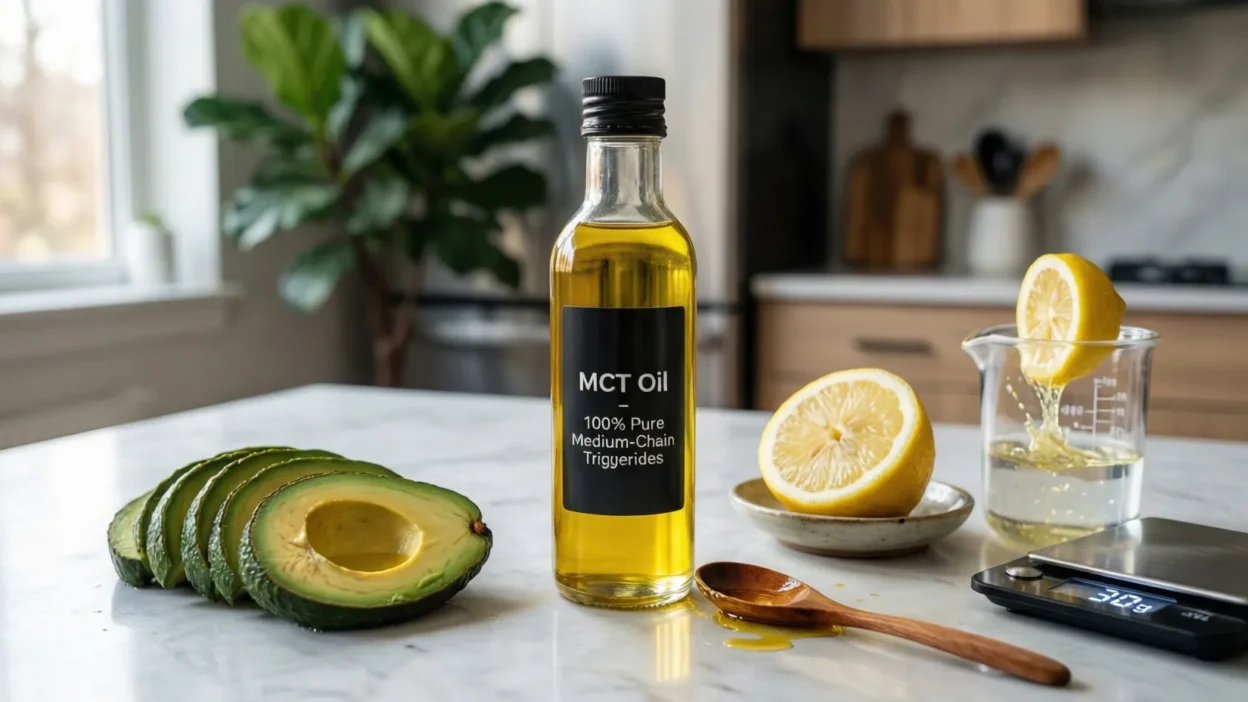
Looking for a natural way to boost fat burning and increase energy? MCT oil has become a popular choice for anyone trying to lose weight or support a ketogenic lifestyle. Short for Medium-Chain Triglycerides, MCT oil is a type of fat that your body quickly converts into energy rather than storing it, making it an effective tool for weight management.
Unlike other fats, MCTs are rapidly absorbed, support metabolism, and can help suppress appetite, which makes them ideal for those looking to shed extra pounds. But using MCT oil correctly is key too much too soon can cause digestive issues, while using it strategically can enhance workouts, curb cravings, and even improve mental clarity.
In this guide, we’ll explore how to use MCT oil for weight loss, the best ways to incorporate it into your diet, recommended dosages, and tips to maximize its fat-burning potential.
What is MCT Oil?
MCT oil stands for Medium-Chain Triglycerides, a type of fat naturally found in coconut oil, palm kernel oil, and dairy products. Unlike long-chain fats, which take longer to digest and are often stored in the body as fat, MCTs are absorbed quickly and transported directly to the liver. Here, they are converted into ketones, which the body can use immediately for energy instead of storing as fat. This unique metabolism makes MCT oil a popular supplement for weight loss and energy boosting.
There are different types of MCTs, each with unique benefits: C8 (caprylic acid) is fast-acting and ideal for fat burning, C10 (capric acid) provides longer-lasting energy, and C12 (lauric acid) behaves more like a long-chain fat but still supports metabolism. Some MCT oils are pure C8, while others are blends of C8, C10, and C12.
MCT oil is flavorless, odorless, and easy to incorporate into your diet, whether in coffee, smoothies, or salad dressings. Because it’s quickly metabolized, it not only fuels your body but also helps reduce appetite, making it a smart addition for anyone looking to lose weight efficiently.
How MCT Oil Supports Weight Loss
MCT oil can be a powerful ally for weight loss due to the way your body processes medium-chain triglycerides. Unlike other fats, MCTs are rapidly absorbed and converted into ketones in the liver, providing an immediate energy source instead of being stored as fat. This unique property helps boost metabolism, allowing your body to burn more calories throughout the day.
Another key benefit is appetite control. Studies show that consuming MCT oil can increase feelings of fullness and reduce calorie intake at subsequent meals. This makes it easier to stick to a calorie-controlled diet without feeling deprived.
MCT oil also supports fat burning, particularly when combined with a low-carb or ketogenic diet. By providing a quick energy source in the form of ketones, it encourages your body to use stored fat for fuel. This makes it ideal for anyone looking to lose weight while maintaining energy levels for daily activities or workouts.
Additionally, MCT oil can enhance exercise performance. The fast energy it provides can improve endurance and reduce fatigue, helping you burn more calories during cardio or strength training.
Scientific research backs these effects: studies have found that MCT consumption can lead to modest but consistent reductions in body weight and body fat over time, making it a valuable tool for effective, sustainable weight management.
How to Use MCT Oil for Weight Loss
Using MCT oil effectively is key to reaping its weight loss benefits while avoiding digestive discomfort. Starting slow is essential begin with 1 teaspoon per day and gradually increase to 1–2 tablespoons as your body adjusts. Taking too much too quickly can cause bloating, cramping, or diarrhea.
There are several convenient ways to incorporate MCT oil into your daily routine. Mix it into coffee to create a popular “bulletproof” beverage that provides sustained energy and appetite control. It can also be added to smoothies, protein shakes, or salad dressings. MCT oil is best used without high-heat cooking, as excessive heat can break down its beneficial compounds.
Timing matters for optimal results. Consuming MCT oil before workouts can provide an energy boost and improve performance, while taking it between meals may help curb cravings and prevent overeating. Some people also take it on an empty stomach in the morning to kickstart metabolism.
Consistency is key: MCT oil works best when combined with a balanced diet and regular exercise. Tracking your intake and noting any changes in appetite or energy can help you find the right routine. When used strategically, MCT oil can become a powerful tool to enhance fat burning, improve energy, and support sustainable weight loss.
Tips to Maximize Weight Loss Results
While MCT oil can support weight loss on its own, combining it with smart lifestyle strategies will produce the best results. One of the most effective ways to maximize its benefits is by pairing it with a balanced diet. Focus on whole foods, lean proteins, healthy fats, and plenty of vegetables. Low-carb or ketogenic diets often complement MCT oil particularly well, as the oil helps your body stay in fat-burning mode.
Exercise is another critical factor. Incorporate both strength training and cardio to boost metabolism and encourage fat loss. Taking MCT oil before a workout can provide a quick energy boost, improving performance and helping you burn more calories.
Hydration also plays a role. Drinking enough water supports digestion, fat metabolism, and overall energy levels, which enhances the effectiveness of MCT oil.
Tracking your progress can make a big difference. Keep an eye on weight, body measurements, and energy levels, adjusting MCT oil dosage or timing as needed.
Finally, consistency is key. Avoid expecting instant results; instead, use MCT oil as part of a sustainable routine. When combined with proper nutrition, exercise, and lifestyle habits, MCT oil can be a reliable tool to enhance fat burning, control appetite, and support long-term weight management.
Possible Side Effects & Safety Considerations
Although MCT oil is generally safe for most people, it can cause digestive issues if taken in large amounts or too quickly. Common side effects include diarrhea, bloating, cramping, and nausea. Starting with a small dose around 1 teaspoon per day and gradually increasing allows your body to adjust and minimizes discomfort.
Some individuals may have allergies or sensitivities to MCT oil or the source it’s derived from, such as coconut. If you notice unusual reactions like rash or persistent digestive upset, discontinue use and consult a healthcare professional.
It’s also important to consider medical conditions. People with liver disease or other metabolic disorders should consult a doctor before using MCT oil, as it is processed in the liver and may affect certain conditions.
Choosing a high-quality MCT oil is crucial for safety and effectiveness. Look for products that are pure, unflavored, and free from fillers or low-quality coconut oil. Oils that contain mostly C8 MCTs are ideal for fat burning, though blends of C8 and C10 are also effective.
Finally, remember that MCT oil should complement a balanced diet, not replace meals. Overreliance can lead to excessive calorie intake or nutrient imbalances. When used responsibly, MCT oil is a safe and effective addition to a weight loss plan.
MCT Oil vs Other Weight Loss Oils
MCT oil stands out among dietary fats for its unique metabolism and weight loss benefits, but how does it compare to other common oils like coconut oil, olive oil, or avocado oil? Understanding the differences can help you make informed choices.
Coconut oil naturally contains MCTs, but only about 60% of its fat content is medium-chain triglycerides, with the rest being long-chain fatty acids that are slower to metabolize. Pure MCT oil, especially C8, provides faster energy and more efficient fat burning, making it a better choice for those focused specifically on weight loss.
Olive oil and avocado oil are high in healthy long-chain fats, which support heart health, reduce inflammation, and improve cholesterol levels. However, they are metabolized more slowly and are less effective at boosting immediate energy or stimulating ketone production for fat burning.
Using MCT oil alongside these other oils can provide a balanced approach: MCT oil for quick energy, appetite control, and metabolism support, and long-chain oils for overall nutrition and cardiovascular benefits.
In short, while MCT oil is specialized for weight loss and fat metabolism, other oils contribute to overall health. Choosing the right combination ensures you get both fat-burning benefits and essential nutrients, supporting sustainable weight management without compromising overall wellness.
Common Myths About MCT Oil
Despite its growing popularity, several myths surround MCT oil and its role in weight loss. Understanding the facts can help you use it effectively.
Myth 1: MCT Oil Alone Will Make You Lose Weight
While MCT oil can boost metabolism, suppress appetite, and support fat burning, it is not a magic solution. Sustainable weight loss still depends on a balanced diet, proper exercise, and overall calorie control.
Myth 2: More MCT Oil Is Better
Taking excessive amounts can lead to digestive discomfort, including diarrhea and cramping, without increasing weight loss benefits. Starting small and gradually increasing is the safest approach.
Myth 3: MCT Oil Can Replace Meals
MCT oil provides energy but lacks essential nutrients like protein, vitamins, and minerals. It should supplement meals, not replace them. Using it as a meal replacement can lead to nutrient deficiencies.
Myth 4: MCT Oil Works Instantly
Weight loss with MCT oil is gradual. Consistent use, along with proper diet and exercise, is necessary to see measurable results. Quick fixes are unrealistic.
Myth 5: All MCT Oils Are the Same
Quality matters. Pure C8 MCT oil is more effective for fat burning than cheaper blends with low MCT content or fillers. Always choose high-quality, reputable products.
By understanding these myths, you can use MCT oil safely and effectively, setting realistic expectations and incorporating it as part of a long-term weight loss strategy.
FAQs About MCT Oil for Weight Loss
1. Can I use MCT oil on a keto diet?
Yes! MCT oil is especially popular on ketogenic diets because it is rapidly converted into ketones, helping the body stay in fat-burning mode while providing quick energy.
2. How much MCT oil should I take daily?
Start with 1 teaspoon per day and gradually increase to 1–2 tablespoons. Exceeding this amount may cause digestive discomfort without additional weight loss benefits.
3. Can MCT oil replace meals?
No. MCT oil provides energy but lacks essential nutrients like protein, vitamins, and minerals. It should supplement meals, not replace them.
4. When is the best time to take MCT oil?
MCT oil can be consumed before workouts for energy, between meals to curb appetite, or in morning coffee for a metabolic boost. Timing depends on your personal routine.
5. How quickly will I see results?
Results vary based on diet, exercise, and metabolism. MCT oil supports gradual, sustainable fat loss rather than immediate changes.
6. Can children or people use MCT oil?
MCT oil is generally safe, but it’s best to consult a healthcare professional before giving it to children, people, or those with medical conditions.
By addressing these common questions, readers can use MCT oil more effectively, safely, and confidently as part of a weight loss strategy.
Conclusion
MCT oil can be a powerful addition to a weight loss plan when used correctly. Its unique composition allows the body to rapidly convert medium-chain triglycerides into energy, boosting metabolism, promoting fat burning, and supporting appetite control. Unlike other fats, MCTs are absorbed quickly, providing immediate energy while reducing the likelihood of being stored as body fat.
For best results, it’s important to start slowly, gradually increasing your dosage to 1–2 tablespoons per day. Incorporate MCT oil into coffee, smoothies, salad dressings, or other meals without cooking it at high temperatures. Pairing MCT oil with a balanced diet and regular exercise amplifies its benefits, helping you burn fat more effectively while maintaining energy levels.
Be mindful of potential side effects such as digestive discomfort and choose a high-quality, pure MCT oil for maximum results. Understanding common myths like expecting instant weight loss or replacing meals with MCT oil will help set realistic expectations and encourage safe, consistent use.
Incorporating MCT oil into your routine is not about quick fixes; it’s about creating a sustainable, long-term approach to weight management. Start slowly, stay consistent, and track your progress. With the right strategy, MCT oil can help you boost energy, reduce cravings, and support your weight loss goals naturally.

I’m Luca, the voice behind Punsboxx.com, where I create simple, clever puns to make people smile with everyday humor.