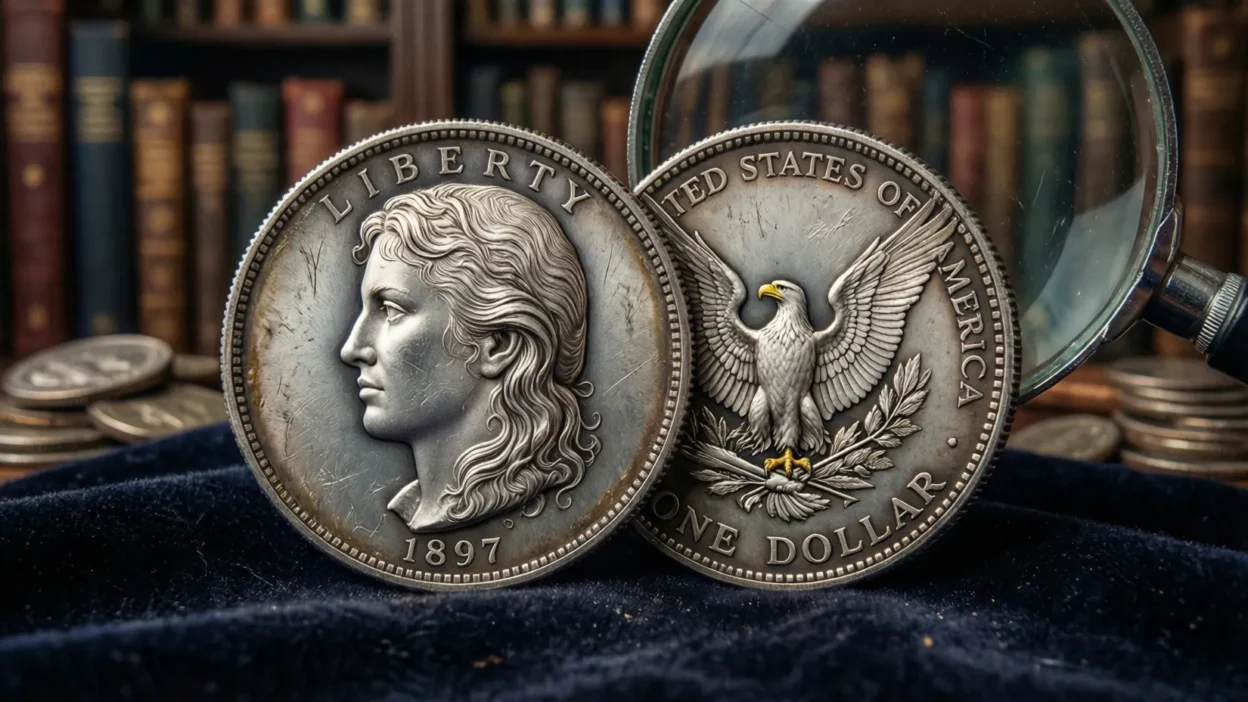
The Morgan Silver Dollar is one of the most iconic coins in American history, cherished by collectors and investors alike. First minted in 1878 and produced until 1904, with a brief return in 1921, these coins are celebrated not only for their intricate design by George T.
Morgan but also for their silver content and precise specifications. Among the most critical details for collectors is the coin’s weight, which plays a key role in determining authenticity and value.
Understanding the Morgan Silver Dollar’s standard weight, its composition, and even the minor variations caused by minting tolerances or circulation wear can help enthusiasts distinguish genuine coins from counterfeits.
In this comprehensive guide, we’ll explore the exact weight of the Morgan Silver Dollar, how it relates to silver content, ways to verify a coin’s authenticity, and why even small differences in weight can make a significant impact for collectors and investors.
Morgan Silver Dollar Specifications
Understanding the specifications of a Morgan Silver Dollar is essential for collectors, investors, and enthusiasts. One of the most important features is its weight. The standard Morgan Silver Dollar weighs 26.73 grams, which is approximately 0.859 troy ounces of silver. In terms of imperial ounces, this equals roughly 0.94 ounces.
The coin’s composition is 90% silver and 10% copper, giving it a pure silver content of 0.77344 troy ounces. This combination was carefully chosen to balance durability with precious metal value, as pure silver alone would be too soft for everyday handling.
Dimensions also play a crucial role in identification. A Morgan Silver Dollar has a diameter of 38.1 mm and a thickness of 2.4 mm, with a reeded edge that helps prevent clipping, a common issue with older coins. These measurements, combined with the coin’s weight, are often used to verify authenticity.
Here’s a quick reference table for clarity:
| Feature | Specification |
| Weight | 26.73 grams (0.859 troy oz) |
| Composition | 90% silver, 10% copper |
| Silver Content | 0.77344 troy oz |
| Diameter | 38.1 mm |
| Thickness | 2.4 mm |
| Edge | Reeded |
By knowing these specifications, collectors can easily identify genuine Morgan Silver Dollars and understand why even slight variations in weight or dimensions are significant.
Historical Context of the Morgan Silver Dollar
The Morgan Silver Dollar holds a special place in American numismatic history. Named after its designer, George T. Morgan, this coin was first minted in 1878 following the passage of the Bland–Allison Act, which required the U.S. Treasury to purchase large quantities of silver and convert it into coinage. The Morgan Dollar was produced continuously until 1904 and saw a brief resurgence in 1921, marking the end of its original era.
The coin’s design reflects the artistry and symbolism of the time. The obverse features a profile of Lady Liberty, modeled after a real-life figure, while the reverse showcases a heraldic eagle with outstretched wings. Beyond aesthetics, the coin’s weight and silver content were crucial for establishing trust in its value, as the United States was still on a silver standard in the late 19th century.
For collectors today, understanding the historical context is key to appreciating why the coin’s weight matters. Slight variations in weight could occur due to minting tolerances, wear over decades, or rare mint errors. Knowing the era and mint location can help enthusiasts identify specific varieties, detect counterfeits, and assess a coin’s rarity.
The Morgan Silver Dollar is more than a piece of currency it is a reflection of U.S. history, artistry, and economic policy, making its weight, composition, and authenticity essential details for any serious collector.
Weight Variations in Morgan Silver Dollars
While the standard Morgan Silver Dollar weighs 26.73 grams, it’s important for collectors to understand that not all coins will match this weight perfectly. Several factors can cause slight weight variations.
1. Minting Tolerances:
During production, the U.S. Mint allowed small deviations in weight due to the limitations of 19th- and early 20th-century coin-striking machinery. These tolerances typically ranged within ±0.02 grams, meaning a legitimate Morgan Dollar might weigh slightly more or less than the standard. Coins from different mints, such as Philadelphia, New Orleans, San Francisco, Carson City, and Denver, could also show minor differences.
2. Circulation and Wear:
Over decades of handling, circulation can gradually reduce a coin’s weight. Worn coins may be lighter than their uncirculated counterparts, though the reduction is usually minimal. Collectors often use weight alongside diameter and thickness measurements to assess authenticity, especially for heavily circulated coins.
3. Rare Variants and Errors:
Some Morgan Dollars were minted with errors, resulting in unusual weights. heavier or underweight coins can be highly sought after by collectors, provided the discrepancies are genuine and documented.
By understanding these variations, collectors can better evaluate a Morgan Silver Dollar’s authenticity and condition. Using a precise digital scale, along with knowledge of historical mint tolerances, ensures that even minor differences in weight are accurately interpreted.
Using Weight to Authenticate Morgan Silver Dollars
Weight is one of the most reliable ways to verify the authenticity of a Morgan Silver Dollar. Since each genuine coin has a standard weight of 26.73 grams, significant deviations can indicate counterfeiting or tampering.
1. Why Weight Matters:
Counterfeit coins often use metals that mimic silver’s appearance but are lighter or denser. By comparing a coin’s weight to the official specification, collectors can quickly identify suspicious coins. Even small differences may be a red flag, especially when combined with irregular thickness or diameter.
2. Tools for Accurate Measurement:
A digital precision scale capable of measuring in grams and troy ounces is essential. Ensure the scale is calibrated before weighing coins, and handle the coin with gloves or clean hands to avoid adding oils or debris that could affect the measurement.
3. Step-by-Step Authentication:
- Place the coin gently on a calibrated digital scale.
- Record the weight and compare it to 26.73 grams (0.859 troy oz).
- Check the coin’s diameter and thickness against official specifications.
- Investigate any discrepancies/slight differences may be normal due to wear, but larger deviations warrant further inspection.
4. Additional Tips:
Cross-reference with reputable numismatic resources and consider professional grading if a coin shows unusual weight. By combining weight, dimensions, and visual inspection, collectors can confidently assess the authenticity of their Morgan Silver Dollars.
Tips for Collectors
For anyone collecting Morgan Silver Dollars, understanding weight is only part of the process. Proper handling, storage, and attention to detail are equally important for maintaining the coin’s condition and value.
1. Proper Storage:
Store coins in a dry, temperature-controlled environment to prevent oxidation or corrosion, which can subtly reduce weight over time. Use acid-free holders, coin flips, or protective capsules to avoid scratches, dents, and other physical damage. Avoid storing coins in PVC holders, as they can release chemicals that harm silver.
2. Handling:
Always handle coins by the edges, preferably wearing cotton or nitrile gloves, to prevent oils and dirt from affecting both appearance and weight. Fingerprints can attract moisture and promote tarnish, subtly affecting long-term weight.
3. Monitor Weight Anomalies:
Some Morgan Dollars, especially rare mint errors or unusually worn coins, may weigh slightly more or less than the standard 26.73 grams. Record any discrepancies and consult numismatic references to determine if the variation adds collector value or indicates a potential counterfeit.
4. Use Accurate Tools:
Invest in a high-quality digital scale that measures in grams and troy ounces. Regularly calibrate it to ensure precise readings.
5. Professional Grading:
For coins with unusual weights, consider professional grading or authentication. Certified coins are easier to sell and provide confidence in value.
By following these tips, collectors can preserve their Morgan Silver Dollars, verify authenticity accurately, and maximize both historical and monetary value.
Other Factors Affecting Value
While the weight of a Morgan Silver Dollar is critical for authentication, several other factors heavily influence its collector value. Understanding these can help collectors make informed decisions when buying, selling, or appraising coins.
1. Condition and Grading:
A coin’s condition is one of the most significant determinants of value. Grading scales, such as MS (Mint State), AU (About Uncirculated), VF (Very Fine), and F (Fine), evaluate wear, luster, and overall appearance. Higher-grade coins are generally more valuable, and maintaining proper weight and dimensions helps ensure that grading accurately reflects authenticity.
2. Rarity and Mint Marks:
Morgan Dollars were produced at multiple U.S. mints: Philadelphia (no mint mark), New Orleans (O), San Francisco (S), Carson City (CC), and Denver (D). Some mint marks, especially the Carson City issues, are rarer and therefore more sought after. Coins from certain years or mints may carry a premium due to low mintage or historical significance.
3. Silver Content and Market Prices:
Morgan Dollars are 90% silver, making them valuable not only as collectibles but also for their intrinsic silver value. Market fluctuations in silver prices can impact the coin’s base value independently of rarity or condition.
4. Historical Significance and Errors:
Coins with documented minting errors or unique historical context can command higher prices. Slight weight variations caused by minting anomalies may increase collector interest rather than decrease value.
By considering weight, condition, rarity, and silver content together, collectors can accurately assess a Morgan Silver Dollar’s overall worth.
FAQs About Morgan Silver Dollar Weight
1. What is the silver content of a Morgan Silver Dollar?
Each Morgan Silver Dollar contains 90% silver and 10% copper, with a total of 0.77344 troy ounces of pure silver. This combination was designed for durability while retaining significant silver value.
2. How much does wear affect the coin’s weight?
Circulation over decades can slightly reduce a coin’s weight, typically by a few hundredths of a gram. Heavily worn coins may weigh less than the standard 26.73 grams, but small differences are normal and don’t necessarily indicate a counterfeit.
3. Can weight alone confirm authenticity?
Weight is an important factor but should not be the sole method of authentication. It should be used alongside measurements of diameter, thickness, and edge design, as well as visual inspection and, if needed, professional grading.
4. Do all Morgan Silver Dollars weigh the same?
No. Minor variations can occur due to minting tolerances, wear, or rare minting errors. Genuine coins may be slightly over or under the standard weight, but large discrepancies typically signal counterfeit coins.
5. How can I accurately measure a Morgan Silver Dollar’s weight?
Use a precision digital scale calibrated for grams and troy ounces. Handle the coin carefully by its edges, ideally with gloves, and ensure the scale is on a flat, stable surface for accurate readings.
Conclusion
The Morgan Silver Dollar is more than just a coin it is a piece of American history, artistry, and craftsmanship. For collectors, understanding the weight of the coin is essential, not only for verifying authenticity but also for assessing value. With a standard weight of 26.73 grams (0.859 troy ounces) and a composition of 90% silver and 10% copper, this coin offers both historical and intrinsic silver value.
Weight variations can occur due to minting tolerances, circulation wear, or rare minting errors, but knowing the official specifications helps collectors spot irregularities and detect potential counterfeits. Alongside weight, factors such as mint mark, condition, rarity, and grading play critical roles in determining a coin’s overall worth. Coins from mints like Carson City or those with unique historical significance often command premium prices, particularly when well-preserved.
For collectors, using a precision digital scale, handling coins carefully, and storing them properly ensures accurate assessment and long-term preservation. Combining these practices with research into historical context and minting details empowers collectors to make informed decisions, whether buying, selling, or simply preserving a personal collection.
In summary, the Morgan Silver Dollar’s weight, dimensions, and composition are more than technical details they are keys to understanding authenticity, value, and historical importance. By paying attention to these factors, collectors can confidently protect and enjoy one of the most iconic coins in American numismatics.

I’m Leo, the Pun Master behind Punsboxx.com. I turn everyday words into laugh-worthy puns that’ll tickle your brain and brighten your day!