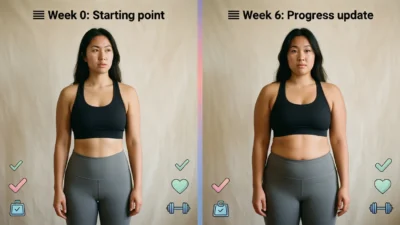
Losing weight can be challenging, especially for women juggling busy schedules, hormonal changes, and fluctuating energy levels. While diet and exercise are essential, many women struggle to stay full, maintain muscle, and burn fat efficiently.
This is where protein powder comes in as a powerful ally. Not just for athletes or bodybuilders, protein powders can help women boost metabolism, curb cravings, and preserve lean muscle during weight loss.
With the right type and intake, protein powder makes it easier to stick to a healthy eating plan without feeling deprived.
From shakes to smoothies and even baked recipes, incorporating protein into your daily routine can support fat loss while keeping energy levels stable. In this guide, we’ll explore the benefits of protein powder for women, how to choose the best option, and practical tips to make it work effectively for sustainable weight loss.
Why Protein is Key for Weight Loss in Women
Protein plays a crucial role in supporting weight loss, especially for women. One of its main benefits is boosting metabolism. The body burns more calories digesting protein compared to fats or carbohydrates, a process known as the thermic effect of food. This means incorporating protein-rich foods or shakes can help women burn slightly more calories throughout the day, aiding fat loss.
Another significant advantage is muscle preservation. During weight loss, the body can break down both fat and lean muscle. Maintaining lean muscle is essential because muscle tissue burns more calories at rest than fat does. Consuming enough protein helps ensure that the weight lost comes primarily from fat, not muscle, keeping metabolism healthy.
Protein also promotes satiety, meaning it helps you feel full longer. Women often struggle with cravings and hunger while dieting, and protein can curb these tendencies, reducing the likelihood of overeating or snacking on high-calorie foods.
Beyond weight loss, protein has hormonal benefits, supporting balanced insulin and appetite-regulating hormones, which is particularly important for women who may experience hormonal fluctuations that affect hunger and energy levels.
In short, protein isn’t just a supplement it’s a strategic tool that helps women lose fat, preserve muscle, and stay energized while pursuing their weight loss goals.
Protein Powder vs. Whole Food Protein
When it comes to meeting protein needs for weight loss, women have two main options: whole food protein and protein powder. Both have their benefits, but understanding their differences can help you choose what works best for your lifestyle and goals.
Whole food protein comes from sources like chicken, fish, eggs, Greek yogurt, beans, and tofu. These foods provide not only protein but also essential vitamins, minerals, and healthy fats. They are ideal for satiety and overall nutrition, helping to support long-term health. However, preparing balanced meals can be time-consuming, which may make it challenging for busy women to consistently meet daily protein requirements.
Protein powders, on the other hand, offer a convenient and versatile solution. They allow women to quickly add high-quality protein to shakes, smoothies, or even baked goods without the effort of cooking. Powders can be particularly helpful post-workout or as a snack to curb cravings. They also make it easier to hit specific protein targets needed for fat loss and muscle preservation.
It’s important to note that protein powder should complement, not replace, whole foods. While powders are convenient, whole foods provide a broader nutrient profile that supports overall health. Combining using powders strategically while maintaining protein-rich meals offers the best balance for effective, sustainable weight loss.
Types of Protein Powder Suitable for Women
Not all protein powders are created equal, and choosing the right type can make a big difference in supporting weight loss for women. The main categories include whey, casein, plant-based, and collagen protein, each offering unique benefits.
Whey protein is one of the most popular options. It’s a complete protein, meaning it contains all essential amino acids, and it digests quickly, making it ideal for post-workout recovery. Whey helps preserve lean muscle and promotes fat loss by boosting metabolism.
Casein protein digests more slowly, providing a steady release of amino acids over several hours. This makes it a great option before bed or as a meal replacement, helping to control hunger overnight.
For women who are vegan or lactose-intolerant, plant-based proteins such as pea, soy, or hemp are excellent alternatives. They are often easier to digest and come with additional nutrients like fiber and antioxidants. Blends of plant proteins can provide a complete amino acid profile.
Collagen protein is gaining popularity among women because it supports not only protein intake but also skin, hair, nail, and joint health. While not as rich in muscle-building amino acids as whey or casein, it can be a useful supplement for overall wellness.
When choosing a protein powder, consider dietary restrictions, taste preferences, and weight loss goals. Opt for powders with minimal added sugars or artificial ingredients to maximize fat loss benefits while supporting overall health.
How Much Protein Do Women Need for Weight Loss
Determining the right amount of protein is crucial for effective weight loss in women. Protein supports muscle preservation, satiety, and metabolism, so inadequate intake can slow fat loss and increase cravings.
For most women aiming to lose weight, a general guideline is 1.2 to 1.6 grams of protein per kilogram of body weight per day. For example, a woman weighing 65 kg (143 lbs) would need approximately 78 to 104 grams of protein daily. Women engaging in regular strength training or high-intensity exercise may benefit from slightly higher amounts, up to 2 grams per kilogram of body weight, to maintain muscle mass.
It’s important to distribute protein intake evenly throughout the day. Instead of consuming most protein in one meal, aim for 20–30 grams per meal or shake. This helps optimize muscle protein synthesis, stabilizes blood sugar, and keeps hunger in check.
Protein intake doesn’t have to come solely from powderscombining whole food protein with protein shakes is the most effective approach. For instance, Greek yogurt at breakfast, a whey shake post-workout, and chicken or tofu at lunch and dinner can easily meet daily requirements.
Monitoring your body’s response is key. Signs of insufficient protein include persistent hunger, fatigue, and difficulty maintaining muscle while losing weight. Adjust intake based on activity level, goals, and satiety for optimal results.
Best Ways to Use Protein Powder for Weight Loss
Using protein powder effectively can make a significant difference in women’s weight loss journeys. One of the most common methods is adding it to shakes or smoothies. A simple blend of protein powder, unsweetened almond milk, fruits, and a handful of spinach provides a nutritious, low-calorie meal or snack that keeps you full for hours.
Protein powder can also be incorporated into breakfast or snacks. Mix it into oatmeal, yogurt, or pancakes to boost protein content without adding excessive calories. This is especially useful for women who tend to feel hungry mid-morning or mid-afternoon.
Timing matters, too. Consuming protein post-workout helps repair and build lean muscle, which supports fat loss by keeping metabolism elevated. A protein shake after strength training or high-intensity workouts is ideal.
For women aiming to replace a meal, protein powder can be part of a balanced shake containing fruits, vegetables, and healthy fats. However, it’s important not to rely solely on shakes for all meals; whole foods provide essential vitamins, minerals, and fiber.
Finally, consistency is key. Incorporating protein powder strategically and regularly, paired with balanced meals and exercise, helps control appetite, preserve muscle, and accelerate fat loss. Experiment with different recipes and timing to find what works best for your lifestyle and weight loss goals.
Common Mistakes Women Make with Protein Powder
While protein powder can be a powerful tool for weight loss, many women make mistakes that limit its effectiveness. Recognizing these pitfalls can help you achieve better results.
1. Over-relying on shakes: Some women use protein powder as a replacement for most meals. While convenient, this can lead to nutrient deficiencies, as whole foods provide essential vitamins, minerals, and fiber that powders alone cannot. Protein shakes should supplement not replace a balanced diet.
2. Ignoring overall calorie intake: Even high-protein shakes contain calories. Drinking multiple shakes without accounting for total daily calories can stall weight loss or even cause weight gain. Tracking intake and balancing shakes with whole foods is essential.
3. Choosing the wrong protein powder: Many powders contain added sugars, artificial sweeteners, or fillers that can sabotage fat loss. Women should select powders that are low in sugar and minimally processed.
4. Not timing protein strategically: Consuming all protein in one meal or shake can reduce its effectiveness for muscle preservation and satiety. Distributing protein evenly throughout the day is key.
5. Neglecting exercise: Protein supports fat loss, but without strength training or physical activity, muscle preservation and metabolism benefits are limited.
By avoiding these common mistakes, women can maximize the benefits of protein powder, maintain lean muscle, control appetite, and achieve sustainable weight loss results.
Science-Backed Benefits of Protein Powder for Women
Protein powder is more than just a convenient supplement it’s supported by scientific research as an effective tool for women aiming to lose weight. One of its primary benefits is fat loss while preserving lean muscle. Studies show that higher protein intake during calorie-restricted diets helps women maintain muscle mass, which is crucial because muscle burns more calories at rest than fat, keeping metabolism active.
Protein powder also reduces appetite and cravings. Research indicates that protein increases the production of satiety hormones like peptide YY and glucagon-like peptide-1, helping women feel fuller for longer. This leads to lower overall calorie intake, which supports sustainable fat loss.
For women who exercise, protein powder enhances muscle recovery and growth. Post-workout protein shakes provide essential amino acids that repair muscle fibers, prevent catabolism, and improve strength over time, which indirectly boosts metabolism and aids weight management.
Additionally, studies suggest that protein can help stabilize blood sugar levels, reducing energy crashes and sugar cravingsa common challenge for women trying to lose weight.
Finally, protein powders offer a convenient and consistent way to meet daily protein requirements, which can be challenging with whole foods alone, especially for busy women. When used strategically, protein powder is a science-backed ally that supports fat loss, appetite control, muscle preservation, and overall energy making it an essential tool in a woman’s weight loss plan.
Potential Side Effects and Safety Tips
While protein powder is generally safe for most women, it’s important to be aware of potential side effects and follow safety guidelines to avoid issues.
1. Digestive discomfort: Some women experience bloating, gas, or diarrhea when consuming certain protein powders, particularly whey or casein. Lactose intolerance is a common cause. Opting for lactose-free or plant-based protein powders, like pea or soy, can reduce digestive problems.
2. Allergies and sensitivities: Some protein powders contain dairy, soy, or gluten, which may trigger allergic reactions in sensitive individuals. Always check ingredient labels and choose powders that suit your dietary needs.
3. Excessive protein intake: Consuming more protein than necessary can strain the kidneys in people with pre-existing kidney conditions. For healthy women, moderate protein intake is safe, but it’s important to calculate your daily needs and avoid excessive supplementation.
4. Added sugars and artificial ingredients: Many protein powders contain sweeteners, flavors, or fillers. These can add unnecessary calories, spike blood sugar, or trigger cravings. Opt for powders with minimal additives to maximize fat loss benefits.
Safety tips:
- Drink plenty of water to support kidney function and digestion.
- Combine protein powders with whole foods for a balanced diet.
- Introduce new protein powders gradually to monitor tolerance.
By following these precautions, women can safely enjoy the benefits of protein powder while minimizing side effects, supporting weight loss, and preserving overall health.
Success Tips for Women Using Protein Powder
Using protein powder effectively can make a big difference in achieving weight loss goals. Here are some practical tips for women to maximize results:
1. Combine with exercise: Protein powder works best when paired with strength training or resistance exercises. Preserving lean muscle while losing fat is crucial, and exercise enhances protein’s muscle-building and metabolism-boosting benefits.
2. Spread protein intake throughout the day: Instead of consuming a single large shake, aim for 20–30 grams of protein per meal or snack. This helps maintain fullness, stabilizes blood sugar, and maximizes muscle protein synthesis.
3. Choose high-quality protein powders: Look for powders with minimal added sugar, natural ingredients, and complete amino acid profiles. Whey, pea, or soy-based proteins are excellent options depending on dietary preferences and tolerance.
4. Pair protein with balanced meals: Incorporate vegetables, healthy fats, and complex carbohydrates alongside protein shakes. This ensures adequate nutrition while promoting satiety and energy.
5. Track progress: Monitor weight, body composition, and energy levels to see how protein supplementation is affecting results. Adjust portion sizes and timing as needed.
6. Experiment with recipes: Add protein powder to smoothies, pancakes, oatmeal, or energy balls to make meals enjoyable while boosting protein intake.
By following these tips, women can use protein powder as a strategic toolsupporting fat loss, preserving muscle, controlling appetite, and maintaining energy for sustainable weight loss success.
Recommended Protein Powders for Women
Choosing the right protein powder can make weight loss more effective and enjoyable for women. Here are some top options based on quality, digestibility, and suitability for different dietary needs:
1. Whey Protein Isolate: Whey is fast-digesting, rich in essential amino acids, and excellent for post-workout recovery. Whey isolates have minimal lactose, making them easier to digest while supporting muscle preservation and fat loss.
2. Plant-Based Protein Blends: For vegan or lactose-intolerant women, pea, soy, or rice protein blends provide a complete amino acid profile. They often contain fiber and antioxidants, which can help with satiety and digestion while supporting weight management.
3. Casein Protein: Casein digests slowly, making it ideal for overnight muscle recovery or meal replacement shakes. It helps control hunger and provides a steady release of protein throughout the night.
4. Collagen Protein: While not as muscle-focused as whey or casein, collagen is excellent for women interested in skin, hair, nail, and joint health, making it a great complement to other protein sources.
Tips for choosing the best protein powder:
- Check for low sugar and minimal additives.
- Ensure a high protein-to-calorie ratio to maximize weight loss benefits.
- Consider taste and mixabilityenjoying your shake increases adherence.
By selecting a high-quality protein powder that fits your dietary preferences and goals, women can support fat loss, maintain lean muscle, and enjoy a convenient, versatile supplement for everyday use.
FAQs: Protein Powder for Weight Loss in Women
1. Can protein powder make you gain weight?
Protein powder itself doesn’t cause weight gain. Weight gain occurs when you consume more calories than your body burns. Using protein powder as part of a balanced diet can actually support fat loss by preserving muscle and reducing cravings.
2. Is protein powder safe for women over 40?
Yes. Protein needs may increase with age to prevent muscle loss. Protein powder is a convenient way to meet daily requirements, especially when combined with strength training. Women with kidney conditions should consult a doctor before increasing protein intake.
3. How often should I drink protein shakes?
It depends on your diet and activity level. Most women benefit from 1–2 shakes per day, often post-workout or as a snack to curb hunger. Spreading protein intake evenly across meals is ideal.
4. Can I rely on protein shakes as meal replacements?
Occasionally, yes. Shakes can replace a meal if balanced with fruits, vegetables, and healthy fats. However, whole foods are essential for vitamins, minerals, and fiber, so rely on shakes mainly as supplements.
5. How quickly will I see results?
Results vary based on diet, exercise, and consistency. Most women notice improved satiety, energy, and gradual fat loss within 4–6 weeks when protein powder is used alongside a balanced plan.
6. Can plant-based protein powders be as effective as whey?
Yes. Blends like pea, soy, or rice protein can provide complete amino acids and support muscle retention and weight loss when consumed in sufficient amounts.
Conclusion
Protein powder can be a powerful ally for women looking to lose weight, preserve lean muscle, and maintain energy levels. Unlike fad diets or restrictive meal plans, protein supplementation is a science-backed, practical approach that supports sustainable fat loss. By boosting metabolism, reducing cravings, and helping stabilize blood sugar, protein helps women stay on track with their weight loss goals while maintaining overall health.
The key to success lies in choosing the right type of protein, whether it’s whey, casein, plant-based, or collagen, based on dietary needs and preferences. It’s equally important to consume protein strategically throughout the day, pairing it with balanced meals, snacks, and regular exercise to maximize results. Protein powder should complement a diet rich in whole foods rather than replace them, ensuring women get all the essential nutrients they need.
Consistency, quality, and timing are essential. Regularly incorporating protein powder into your daily routine, experimenting with recipes, and monitoring progress can make weight loss more manageable, enjoyable, and effective.
Ultimately, protein powder is not a magic solution it’s a support tool. When used thoughtfully, it empowers women to lose fat, preserve muscle, control appetite, and maintain energy, helping them achieve long-term weight loss and overall wellness.

I’m Luca, the voice behind Punsboxx.com, where I create simple, clever puns to make people smile with everyday humor.