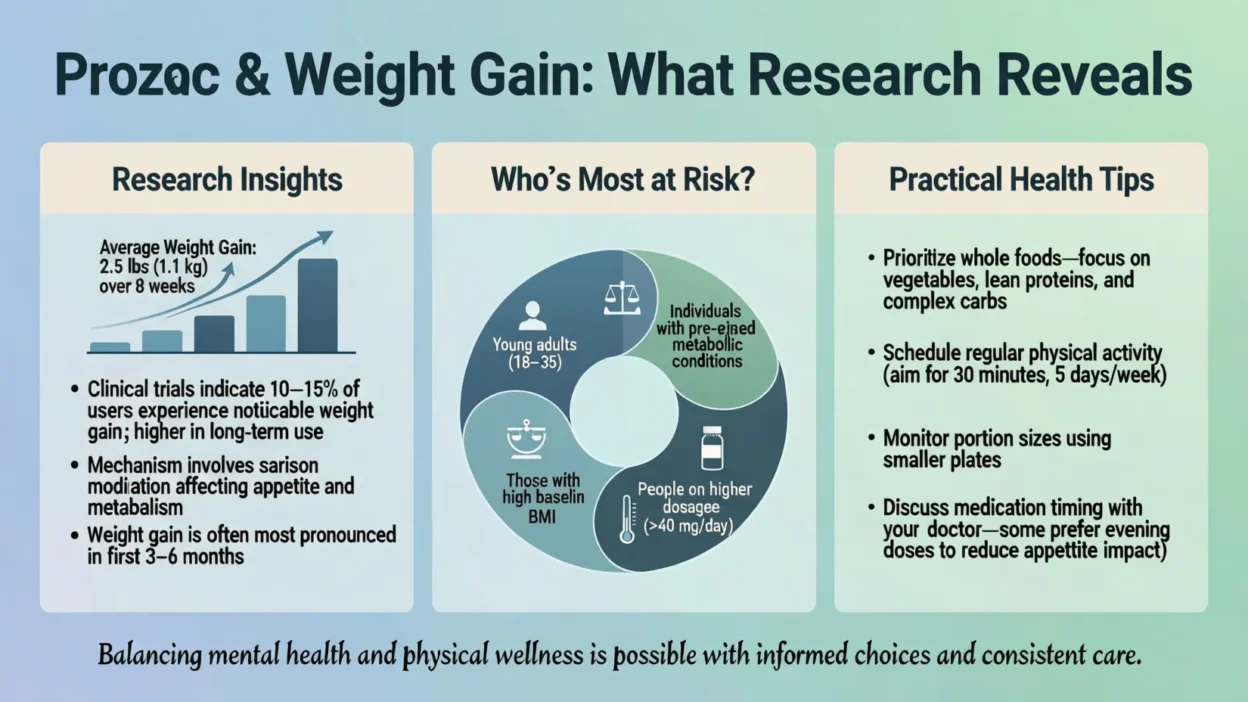
Prozac, also known by its generic name fluoxetine, is one of the most commonly prescribed antidepressants worldwide. It belongs to a class of medications called selective serotonin reuptake inhibitors (SSRIs) and is used to treat depression, anxiety, obsessive-compulsive disorder, and other mental health conditions.
While Prozac can be life-changing for many, one concern that often arises among users is weight gain. Some people worry that taking this medication may cause unwanted changes in their body weight, which can affect self-esteem and overall health.
Understanding the relationship between Prozac and weight gain is essential because not everyone experiences this side effect in the same way. In this article, we’ll explore why weight gain can occur, factors that influence it, and practical strategies to manage your weight while on Prozac. By knowing what to expect, you can take control of your health while benefiting from your medication.
What Is Prozac?
Prozac, or fluoxetine, is a prescription medication that belongs to the class of selective serotonin reuptake inhibitors (SSRIs). SSRIs work by increasing the levels of serotonin, a neurotransmitter in the brain that regulates mood, emotion, and anxiety. By enhancing serotonin activity, Prozac helps improve symptoms of depression, reduce anxiety, and support overall emotional balance.
Doctors commonly prescribe Prozac for a range of mental health conditions, including major depressive disorder, generalized anxiety disorder, panic disorder, and obsessive-compulsive disorder (OCD). It is also sometimes used for eating disorders, premenstrual dysphoric disorder (PMDD), and certain chronic pain conditions.
Prozac is typically taken orally, once daily, and comes in various forms such as capsules, tablets, or liquid solutions. Dosages may vary depending on the condition being treated, the patient’s age, and their response to the medication.
While generally well-tolerated, Prozac can cause side effects. Common ones include nausea, headaches, sleep disturbances, and changes in appetite. For some people, these changes in appetite or metabolism can lead to weight gain, which we will explore in detail in the following sections. Understanding how Prozac works helps explain why weight changes may occur for some individuals.
Does Prozac Cause Weight Gain?
One of the most common concerns for people taking Prozac is whether it leads to weight gain. The answer is not entirely straightforward, as the effect varies from person to person. Clinical studies suggest that Prozac is less likely to cause significant weight gain compared to some other antidepressants, such as paroxetine or tricyclic medications. In fact, some patients may even experience mild weight loss during the first few weeks of treatment due to reduced appetite or improved mood.
However, long-term use of Prozac can sometimes result in gradual weight gain for certain individuals. This may be linked to changes in metabolism, appetite, or how the body stores energy while on the medication. Factors such as diet, lifestyle, and genetics also play a significant role in determining whether someone gains weight.
It’s important to remember that weight changes are not inevitable, and many people maintain their usual weight while taking Prozac. Monitoring your body’s response, maintaining a balanced diet, and staying physically active can help manage potential weight changes. Consulting a healthcare provider is essential if weight gain becomes concerning.
Why Prozac May Affect Weight
Understanding why Prozac may affect weight requires a look at how the medication interacts with the body. Prozac works by increasing serotonin levels in the brain, which helps improve mood and reduce anxiety. However, serotonin also influences appetite, digestion, and metabolism, meaning changes in these areas can indirectly impact weight.
For some people, Prozac may increase appetite, leading to higher calorie intake and gradual weight gain. Others may experience the opposite—reduced appetite—especially in the early weeks of treatment, sometimes resulting in temporary weight loss. Over time, as the body adjusts to the medication, weight patterns may stabilize or shift.
Prozac can also influence energy levels and motivation. When depression symptoms improve, individuals often regain appetite and interest in food, which can contribute to weight changes. Additionally, lifestyle habits like diet, exercise, and sleep play a role in how the body responds to Prozac.
It’s important to note that not everyone taking Prozac experiences weight changes, and the extent can vary widely. Monitoring your weight, maintaining healthy habits, and discussing any concerns with a healthcare provider can help manage potential fluctuations effectively.
Factors That Influence Weight Gain on Prozac
Not everyone taking Prozac experiences weight gain, and several factors can determine how the medication affects your body. One of the main influences is treatment duration. Short-term use may cause minimal or no weight changes, while long-term use can sometimes lead to gradual weight gain as the body adjusts.
Dosage also plays a role. Higher doses may have a stronger impact on appetite and metabolism, increasing the likelihood of weight changes. Individual factors such as age, gender, genetics, and baseline metabolism further affect how the body responds to Prozac. For instance, younger individuals with faster metabolisms may be less likely to gain weight, while older adults may notice more changes.
Lifestyle habits are another major factor. Sedentary behavior, high-calorie diets, or disrupted sleep patterns can amplify weight gain, whereas regular physical activity and balanced nutrition can help maintain weight.
Finally, other medications or underlying health conditions may influence weight. Combining Prozac with certain medications or managing conditions like hypothyroidism can make weight changes more pronounced. Understanding these factors can help individuals take proactive steps to manage their weight while benefiting from their treatment.
How to Minimize or Manage Weight Gain
Even if Prozac causes some weight changes, there are effective strategies to help minimize or manage them. Maintaining a balanced diet is key. Focus on nutrient-rich foods like fruits, vegetables, lean proteins, and whole grains, while limiting high-calorie, sugary, or processed foods that can contribute to weight gain.
Regular exercise is equally important. Combining cardio exercises, such as walking, swimming, or cycling, with strength training can help maintain metabolism, build muscle, and burn calories. Even moderate activity, like daily 30-minute walks, can make a significant difference.
Monitoring your weight is another practical step. Track your weight weekly to identify gradual changes early, allowing you to adjust your habits if needed. Maintaining consistent sleep patterns and managing stress are also essential, as poor sleep or high stress can increase cravings and appetite.
Finally, communicate with your healthcare provider. They can offer guidance if weight gain becomes a concern, suggest dietary or lifestyle interventions, or discuss medication adjustments if necessary. By combining healthy habits with medical support, you can enjoy the mental health benefits of Prozac while keeping your weight under control.
When to Seek Medical Advice
While mild or gradual weight changes on Prozac are often manageable, there are situations where consulting a healthcare provider is essential. Rapid or significant weight gain is one of the main reasons to seek advice, as sudden increases may indicate underlying issues or side effects that need attention.
Other symptoms that warrant a medical check include unusual fatigue, persistent nausea, mood changes, or swelling in the body. These could be related to the medication or another health condition that requires evaluation.
It’s also important to speak with a doctor if you have preexisting health concerns, such as diabetes, high blood pressure, or heart conditions, as weight gain can impact these conditions. Regular monitoring and early intervention can prevent complications and ensure your treatment remains safe and effective.
Additionally, your healthcare provider can help you explore alternatives if weight gain becomes problematic. This may include adjusting the dosage, switching to another antidepressant with a lower risk of weight changes, or recommending lifestyle strategies tailored to your situation.
Proactive communication with your doctor ensures you continue to benefit from Prozac’s mental health effects while minimizing potential negative impacts on your physical health.
Personal Experiences and Anecdotes
Many people taking Prozac have shared their experiences with weight changes, offering valuable insight into what to expect. Some users report minimal or no weight gain, noting that their weight remained stable even after months of treatment. These individuals often credit maintaining a balanced diet, regular exercise, and consistent sleep patterns as key factors in keeping their weight steady.
Others have experienced gradual weight gain, usually a few pounds over several months. In many cases, this change was subtle and manageable with lifestyle adjustments such as reducing high-calorie foods or increasing physical activity. Some users also noticed changes in appetite, with an increased desire for certain types of food, particularly carbohydrates.
Healthcare professionals emphasize that these experiences vary widely. Genetics, metabolism, lifestyle habits, and other medications all contribute to the differences in how people respond to Prozac. While anecdotal stories cannot replace medical advice, they can provide reassurance that weight gain is not universal and is often manageable.
Sharing personal experiences can also help readers feel less isolated, reminding them that individual responses to Prozac differ and that proactive strategies can support both mental and physical health.
Frequently Asked Questions
1. Does Prozac always cause weight gain?
No, Prozac does not always cause weight gain. Some people may experience no changes or even mild weight loss initially. Weight changes vary depending on individual factors such as metabolism, diet, lifestyle, and duration of treatment.
2. Can Prozac cause weight loss?
Yes, in some cases, Prozac may lead to temporary weight loss, especially during the first few weeks of treatment. Reduced appetite or changes in eating habits due to improved mood can contribute to this effect.
3. How long does it take for Prozac to affect weight?
Weight changes, if they occur, usually happen gradually over weeks or months. Long-term users may notice slow changes, whereas short-term users may see little to no effect.
4. How can I prevent weight gain on Prozac?
Maintaining a balanced diet, exercising regularly, tracking your weight, and managing stress and sleep are effective ways to prevent weight gain while on Prozac.
5. Should I stop Prozac if I gain weight?
Never stop Prozac without consulting your healthcare provider. They can advise on alternatives, dosage adjustments, or lifestyle strategies to manage weight while continuing treatment safely.
Conclusion
Prozac (fluoxetine) is a widely prescribed antidepressant that can greatly improve mood, reduce anxiety, and support overall mental health. While weight gain is a concern for some users, it is not an inevitable side effect. Individual responses vary depending on factors such as dosage, treatment duration, metabolism, lifestyle habits, and other medications.
Understanding why weight changes may occur can help users manage their health proactively. Prozac can influence appetite, metabolism, and energy levels, which may lead to gradual weight fluctuations over time. However, adopting healthy habits such as a balanced diet, regular exercise, stress management, and consistent sleep can significantly reduce the likelihood of unwanted weight gain.
Monitoring your weight and maintaining open communication with your healthcare provider is essential. If weight gain or other side effects become concerning, a doctor can recommend lifestyle strategies, dosage adjustments, or alternative medications.
Ultimately, the benefits of Prozac for mental health often outweigh the potential risk of weight changes. By staying informed and proactive, users can enjoy the medication’s positive effects while maintaining a healthy lifestyle and achieving overall well-being.

I’m Luca, the voice behind Punsboxx.com, where I create simple, clever puns to make people smile with everyday humor.