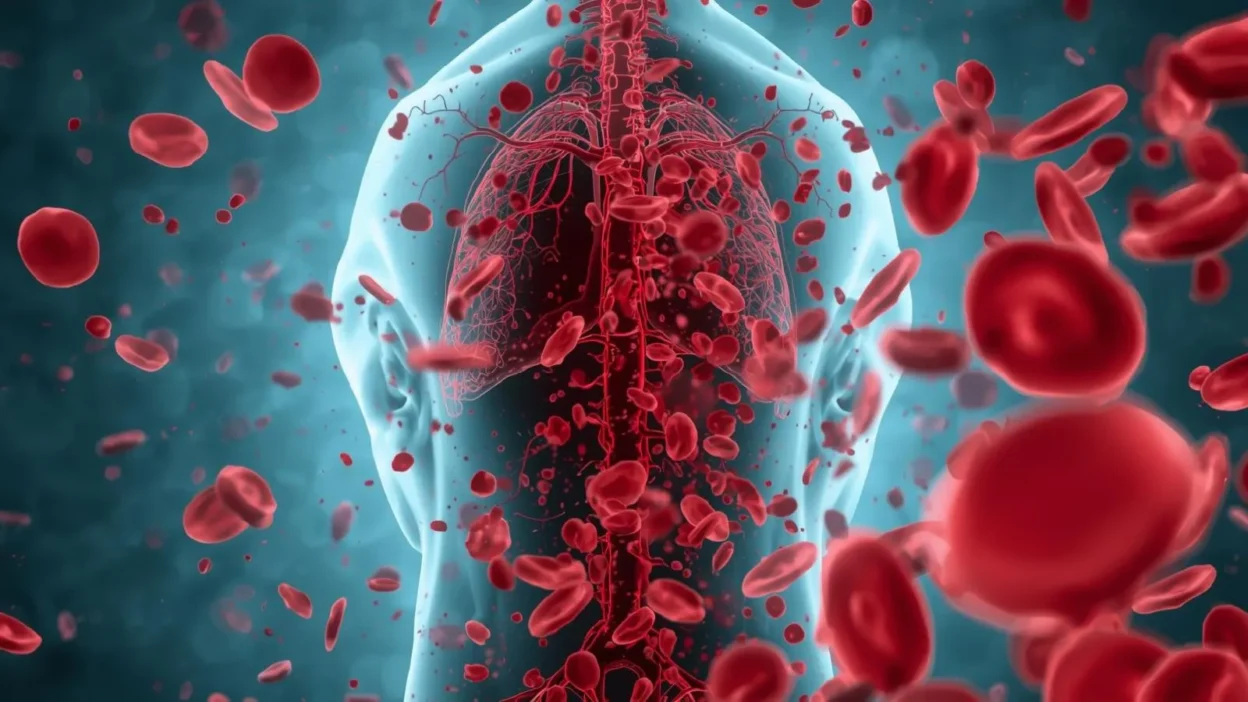
Blood is more than a red fluid flowing through our veins it is life itself, carrying oxygen, nutrients, and the very essence of who we are. Yet, have you ever stopped to consider its weight. The human body contains roughly 4.5 to 6 liters of blood, which can weigh around 8–12 pounds, depending on age, sex, and body size.
This physical weight, while measurable, only scratches the surface of blood’s significance. Across history, cultures, and literature, blood has been a symbol of life, lineage, sacrifice, and identity.
From ancient rituals to modern medicine, it embodies both vitality and vulnerability, connecting the literal and metaphorical aspects of existence. In exploring the weight of blood, we will uncover not only its biological role but also its profound cultural, philosophical, and emotional dimensions revealing why something so seemingly simple holds immense meaning for every human being.
The Science of Blood
Blood is often called the river of life, and for good reason. It is a complex, dynamic tissue composed of four main components: red blood cells, white blood cells, platelets, and plasma. Red blood cells carry oxygen from the lungs to tissues, while white blood cells fight infections. Platelets are essential for clotting, and plasma pale yellow fluid transports nutrients, hormones, and waste products throughout the body.
The human body contains roughly 4.5 to 6 liters of blood, depending on factors like age, sex, and body mass. On average, this volume weighs about 8–12 pounds, making blood a surprisingly substantial part of our body weight. This weight isn’t static; hydration, altitude, and health conditions can all influence it.
Blood’s weight is not just a matter of physics it is critical in medicine. Losing even a small percentage of blood can have serious consequences, impacting oxygen delivery and organ function. Conversely, blood donation allows healthy individuals to give life-saving assistance while temporarily reducing their own blood weight.
Scientists also study blood density and viscosity, which affect circulation and heart function. Understanding the science behind blood gives us insight into its essential role in sustaining life, and emphasizes that its literal weight is only one measure of its profound importance.
Blood in History and Culture
Beyond its biological importance, blood has held profound symbolic and cultural significance throughout human history. In many ancient civilizations, it was considered the essence of life itselfa sacred fluid connecting humans to the divine. Rituals involving blood, from sacrifices to ceremonial oaths, were believed to invoke protection, fertility, or spiritual power. In these contexts, the literal weight of blood often symbolized the gravity of life and commitment.
Blood has also been central to the concept of lineage and ancestry. Phrases like “bloodlines” or “the ties that bind” reflect the understanding that familial bonds are not just emotional but, symbolically, blood-bound. Monarchies, clans, and tribes historically emphasized blood purity to preserve power and identity, underscoring its cultural weight.
In literature and art, blood frequently represents both vitality and vulnerability. From tragic poetry to dramatic paintings, it symbolizes life, sacrifice, guilt, and passion. These representations remind us that blood is more than a substance; it carries stories, emotions, and heritage.
Even today, blood continues to resonate culturally in religious rituals, storytelling, and popular media. Its significance extends beyond the physical, intertwining with human identity, morality, and collective memory. By examining the weight of blood in history and culture, we gain a deeper appreciation for its role in shaping human experience.
Blood and Philosophy
Blood carries meanings that extend far beyond the scientific and cultural realms, touching the deepest philosophical questions about life, mortality, and identity. Philosophers and writers have long used blood as a metaphor for existence itself a tangible reminder of human fragility and the inevitability of death. Its weight, both literal and symbolic, often reflects the gravity of choices, responsibilities, and moral consequences.
In ethical discussions, blood raises profound questions. Blood donation, transfusion, and medical interventions challenge us to consider our obligations to others and the moral significance of giving or taking life. Similarly, debates around organ donation, forensic evidence, or “blood quantum” in legal and cultural contexts show how this vital fluid can carry societal and ethical weight.
Psychologically, blood also embodies emotional and symbolic burdens. Witnessing injury or loss can evoke deep empathy, guilt, or trauma, demonstrating that blood’s weight is not only measured in pounds but also in the human conscience. Literature and philosophy frequently explore this duality, portraying blood as both a life-giving substance and a marker of human vulnerability and responsibility.
Ultimately, the philosophical lens invites us to see blood as more than a biological necessity. It is a mirror reflecting our mortality, our moral choices, and our connection to others a silent witness to the weight of existence itself.
Modern Implications
In the modern era, blood continues to hold immense significance, bridging science, technology, and society. Advances in medicine have transformed our understanding and use of blood, from routine tests that monitor health to life-saving transfusions that rely on precise knowledge of blood volume and composition. Researchers are even developing artificial blood substitutes and advanced wearable technologies that track blood biomarkers in real time, highlighting the literal and figurative importance of its weight in sustaining life.
Blood also plays a critical role in ethical and social discussions. Blood donation programs save countless lives, yet they raise questions about equity, consent, and accessibility. Forensic science uses blood as evidence in criminal investigations, giving it a unique societal weight beyond its biological function. Similarly, blood has been used as a marker of identity in legal or cultural contexts, such as in defining ancestry or tribal membership, demonstrating its enduring symbolic influence.
Culturally, modern media continues to explore blood’s dual natureboth life-giving and violentthrough literature, film, and art. Its presence evokes emotion, suspense, or reflection on human vulnerability.
Ultimately, the modern implications of blood remind us that its weight is not just measured in pounds or liters. Blood intersects with ethics, technology, and society, reinforcing that this vital fluid carries significance far beyond the physical, shaping how we live, care for others, and understand life itself.
Experiential Perspective and Conclusion
The weight of blood is not only measured in liters or poundsit is experienced in the moments that touch our lives personally and profoundly. Donating blood, for instance, offers a tangible sense of contribution; the temporary loss of a few hundred milliliters reminds us of our own vulnerability while simultaneously saving lives. Patients recovering from surgery or trauma feel the absence or replenishment of blood as a direct connection to survival, illustrating its immediate, physical significance.
On a symbolic level, blood carries emotional weight in ways that resonate universally. The birth of a child, a family’s shared ancestry, or the sacrifice of a loved one imbues blood with meaning that transcends science. Literature, art, and storytelling continue to explore these experiences, using blood to signify loyalty, love, guilt, or mortality. Such narratives remind us that this vital fluid is both intimate and universal.
In reflecting on the weight of blood, we see its full spectrum from the physiological to the philosophical, the historical to the personal. It sustains life, binds families and cultures, and mirrors the ethical and emotional landscapes of human existence. Understanding blood in all its dimensions invites us to appreciate not just its literal weight, but the profound significance it carries in shaping our health, identity, and humanity.
Blood in Society and Ethics
Blood has always carried moral and societal weight, shaping human interactions and ethical frameworks. In medicine, blood donation and transfusion are acts of generosity, yet they raise complex questions about consent, equity, and responsibility. Who has access to donated blood? How do medical systems ensure that this life-saving resource is fairly distributed? These questions highlight that blood’s significance extends far beyond its physical function.
Ethical debates also emerge in forensics and legal systems. Blood evidence can solve crimes, determine paternity, or even influence citizenship and inheritance claims, showing how this vital fluid carries societal authority. In some cultures, “blood quantum” rules have historically been used to define tribal identity, sparking debates about fairness, identity, and the ethics of quantifying belonging.
Even in everyday life, blood acts as a moral metaphor. Expressions like “giving one’s blood, sweat, and tears” or “blood on one’s hands” underscore how closely blood is tied to notions of duty, responsibility, and guilt. Across societies, blood embodies both obligation and sacrifice, reflecting the human instinct to value life and maintain social bonds.
Ultimately, understanding the ethical and societal dimensions of blood deepens our appreciation of its weight not just in pounds or liters, but in moral, social, and human terms.
Practical Insights and Reflection
Understanding the weight of blood is not just an academic exercise it has real-world implications for our health, choices, and daily awareness. For instance, monitoring blood health through regular check-ups, complete blood counts, and maintaining proper hydration directly affects how effectively our blood performs its life-sustaining functions. Knowing that blood constitutes roughly 8–12 pounds of our body weight reinforces its vital role in overall wellness, reminding us to care for it intentionally.
Blood donation is another practical avenue where understanding its significance becomes actionable. By giving even a small amount, donors make a profound difference, sustaining lives while temporarily experiencing the literal loss of a vital resource. This act creates a tangible connection between science, ethics, and personal responsibility.
Reflecting on blood also encourages mindfulness about our own mortality and relationships. Births, injuries, and losses are all moments that make us acutely aware of blood’s role in sustaining life and marking human experiences. It is a reminder that something so seemingly ordinary carries extraordinary significance, linking our physical existence to emotional, ethical, and cultural dimensions.
By appreciating both the literal and metaphorical weight of blood, we gain a holistic perspective on life itself. Blood becomes more than a biological necessity it is a symbol, a lifeline, and a shared human story that binds us across time, culture, and experience.
Frequently Asked Questions
1. How much does human blood weigh?
The average adult has 4.5–6 liters of blood, weighing approximately 8–12 pounds (3.6–5.4 kg). This can vary based on body size, sex, and health conditions.
2. Why is blood important for the body?
Blood carries oxygen, nutrients, and hormones to organs and tissues while removing waste products. It also helps fight infections, clot wounds, and regulate body temperature.
3. Can losing blood affect your health?
Yes. Even minor blood loss can impact oxygen delivery to tissues, while significant loss may be life-threatening. Blood donation removes a small, safe volume, but trauma or illness can cause dangerous deficits.
4. What is the symbolic meaning of blood?
Blood often represents life, lineage, sacrifice, and identity in cultures and religions. Phrases like “blood is thicker than water” or rituals involving blood illustrate its metaphorical and cultural significance.
5. How is blood used in modern medicine?
Blood is critical in transfusions, testing, and research. Advanced technology monitors blood composition, and artificial blood substitutes are being developed for emergencies.
6. How can I take care of my blood?
Maintain a healthy diet, stay hydrated, avoid excessive alcohol, and get regular medical check-ups. Blood donation is also a meaningful way to contribute to others’ health.
Conclusion
Blood is far more than a vital fluid it is a measure of life, a carrier of identity, and a symbol of both physical and emotional weight. From the scientific perspective, blood sustains the body, transporting oxygen, nutrients, and immune defenses throughout every organ and tissue. Its literal weight, roughly 8–12 pounds in an average adult, is a reminder of how much of our body’s vitality is literally carried within us.
Culturally and historically, blood has embodied lineage, loyalty, sacrifice, and connection. Rituals, literature, and art across civilizations reflect its profound symbolic power. Philosophically, blood invites reflection on mortality, ethical responsibility, and the invisible threads that bind humans to one another. In modern society, blood continues to impact medicine, law, and ethics, shaping how we approach health, identity, and care for others.
On a personal level, experiencing blood through donation, medical treatment, or life events offers a tangible understanding of its importance. Recognizing both the literal and metaphorical weight of blood encourages mindfulness about our bodies, our relationships, and the shared human experience.
Ultimately, blood is a bridge between science and symbol, biology and philosophy, the personal and the universal. By appreciating its multifaceted significance, we gain not just knowledge, but perspective a deeper understanding of life, mortality, and the invisible forces that connect us all.

I’m Luca, the voice behind Punsboxx.com, where I create simple, clever puns to make people smile with everyday humor.