Toy Poodles are beloved for their compact size, intelligence, and friendly nature, making them one of the most popular small dog breeds worldwide. However, as with any breed, maintaining a healthy weight is essential for their overall health and happiness.
While their small stature might suggest that weight isn’t a major concern, keeping track of your Toy Poodle’s weight is crucial for preventing health issues such as obesity or malnutrition.
In this article, we’ll dive into the ideal weight range for Toy Poodles, explore the factors that influence their weight, and offer practical tips to help you manage their weight effectively. Whether you’re a new owner or a seasoned Poodle enthusiast, understanding the right weight for your Toy Poodle can ensure a longer, healthier life for your furry friend. Let’s take a closer look at how to keep your Toy Poodle in the best shape possible!
Understanding the Toy Poodle
Toy Poodles are one of the smallest members of the Poodle family, known for their curly, hypoallergenic coats and friendly disposition. On average, they weigh between 4 to 6 pounds when fully grown, standing at a height of around 10 inches or less. Despite their small size, Toy Poodles are full of energy, intelligence, and playfulness, making them ideal companions for families and individuals alike.
Being a toy breed, they are particularly sensitive to fluctuations in weight. While their petite frame may seem less prone to weight issues compared to larger dogs, maintaining a healthy weight is still essential for their overall health. A Toy Poodle that is too heavy may suffer from joint problems, difficulty breathing, and an increased risk of heart disease, while being underweight can lead to malnutrition, weakened immunity, and a lack of energy.
Additionally, Toy Poodles are often bred for specific traits, and genetics can play a role in their size and weight. While the ideal weight range is generally consistent, individual Toy Poodles may vary slightly based on their genetics, lifestyle, and health. Understanding your Toy Poodle’s unique needs is the first step in ensuring they stay healthy and happy.
Ideal Toy Poodle Weight Range
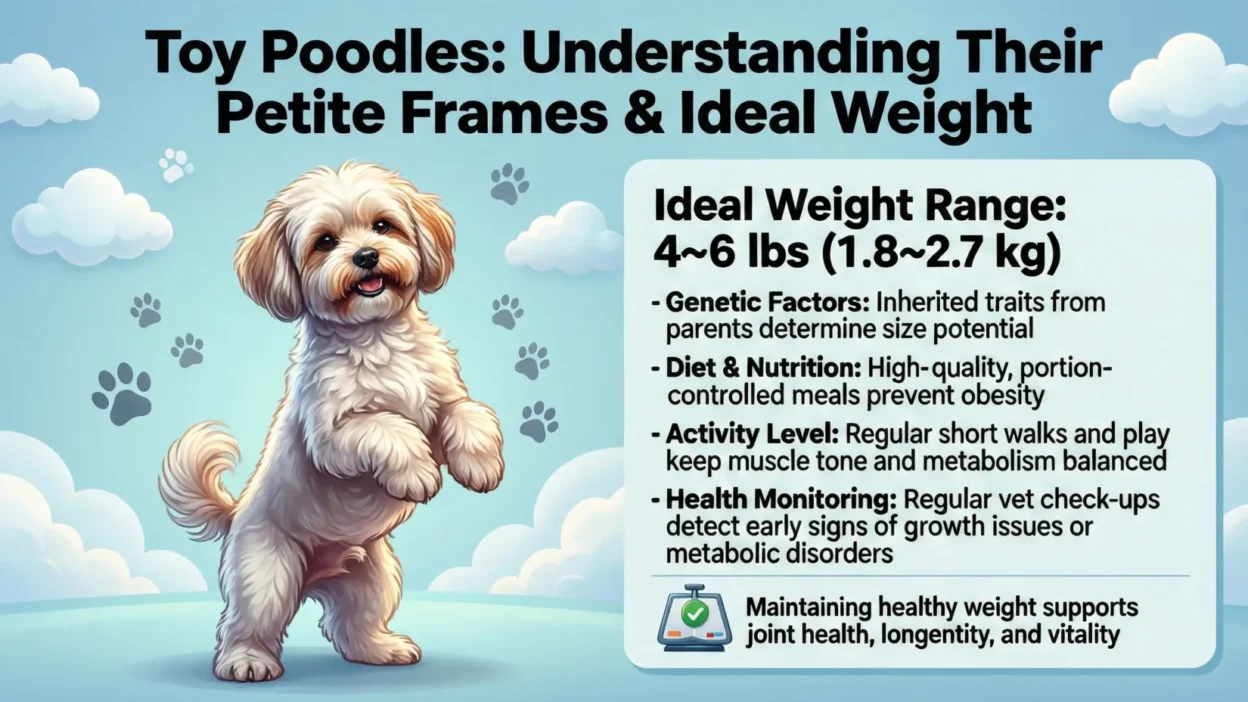
The ideal weight for a Toy Poodle typically falls between 4 to 6 pounds when fully grown. However, it’s important to remember that weight can vary slightly depending on factors such as genetics, diet, and exercise levels. Toy Poodles are a toy breed, so they are naturally smaller than other types of Poodles, such as Miniature and Standard Poodles, which can weigh much more.
For Toy Poodle puppies, their weight will naturally increase as they grow, with most puppies reaching their adult weight by around 12 months. At birth, a Toy Poodle puppy might weigh as little as a few ounces, and by six months, they should weigh around 3 to 4 pounds. It’s crucial to monitor their growth during this period to ensure they are growing at a healthy pace.
As they age, Toy Poodles may begin to gain weight slightly due to slowed metabolism. Senior Toy Poodles may also experience weight loss or difficulty maintaining their weight, making it essential to adjust their diet and exercise plan accordingly. Regular vet checkups and weight monitoring can help ensure your Toy Poodle stays within the healthy weight range throughout their life.
Factors Affecting Toy Poodle Weight
Several factors contribute to the weight of a Toy Poodle, and understanding these can help ensure your dog maintains a healthy size throughout its life.
Genetics plays a significant role in determining a Toy Poodle’s size and weight. Some Toy Poodles may be naturally larger or smaller based on their lineage, so a slight variation from the average 4-6 pounds isn’t uncommon. Puppies born from parents on the larger side may grow to be slightly heavier as adults.
Diet and Nutrition are pivotal in maintaining a healthy weight. Toy Poodles require a balanced diet rich in high-quality protein, fats, and essential vitamins and minerals. Overfeeding, offering too many treats, or providing table scraps can quickly lead to weight gain. Likewise, underfeeding or offering insufficient nutrition can result in a dog that is underweight and lacking energy.
Exercise and Activity Level also greatly affect a Toy Poodle’s weight. Active Toy Poodles that get plenty of exercise through walks, play, and mental stimulation tend to maintain a healthier weight compared to those that are more sedentary. Toy Poodles love mental challenges, so incorporating play and training into their daily routine is essential.
Signs of Underweight and Overweight in Toy Poodles
Recognizing whether your Toy Poodle is underweight or overweight is crucial for maintaining their health and well-being. Both extremes can lead to serious health issues, so being able to spot the signs early can make a significant difference.
Underweight Signs
An underweight Toy Poodle may have visible ribs, hips, or spine, even under their fur. Their energy levels may be lower than usual, and they may seem lethargic or weak. A dog that is too thin may also have a poor coat condition, with fur that looks dull or sparse. If your Toy Poodle seems excessively hungry but isn’t gaining weight despite feeding, it may indicate a nutritional deficiency or an underlying health issue, such as parasites or digestive problems.
Overweight Signs
On the other hand, overweight Toy Poodles may show signs like a round belly, difficulty breathing, or a noticeable decrease in their ability to move around comfortably. You might also notice fatty deposits around the neck, chest, or tail area. An overweight dog is likely to be less active, avoiding exercise or play due to the strain on their joints and muscles. Obesity in Toy Poodles can lead to severe health complications such as arthritis, heart disease, and diabetes if not addressed.
How to Manage Your Toy Poodle’s Weight
Managing your Toy Poodle’s weight involves a combination of proper diet, exercise, and regular monitoring. Here are some essential tips to help you maintain a healthy weight for your furry friend.
1. Balanced Diet
The foundation of weight management is a high-quality, balanced diet. Opt for dog food specifically formulated for small breeds like Toy Poodles. This ensures that they get the proper nutrients in the right proportions. Make sure the food contains a good amount of lean protein, healthy fats, and essential vitamins and minerals. Be mindful of portion sizes and avoid overfeeding, as Toy Poodles can easily gain weight due to their small frame.
2. Regular Exercise
Daily exercise is crucial for weight management. Toy Poodles are active dogs that enjoy playtime and mental stimulation. Short walks, interactive play, and training sessions help burn off excess calories and keep them fit. It’s important to strike a balancetoo little exercise can lead to weight gain, while too much can cause injury. Keep your Poodle engaged with toys, games, and puzzles to ensure they stay mentally active.
3. Regular Weight Monitoring
Weigh your Toy Poodle regularly to keep track of any weight changes. Consult with your vet for advice on ideal weight and for adjusting diet and exercise as needed.
Health Risks Linked to Weight Issues
Maintaining a healthy weight is vital for the long-term well-being of your Toy Poodle. Both underweight and overweight conditions can lead to a range of health issues that may compromise their quality of life.
Obesity and Its Consequences
Obesity is one of the most common health concerns for small breeds like Toy Poodles. Excess weight places added stress on their joints, which can lead to arthritis or hip dysplasia over time. Overweight dogs are also more prone to heart disease, respiratory issues, and diabetes. Excess fat around their abdomen can compress the diaphragm, making it harder for them to breathe and causing fatigue. Overweight dogs may also have a reduced life expectancy, as the strain on vital organs increases.
Underweight Concerns
Being underweight is equally harmful to your Toy Poodle. Insufficient nutrition can weaken their immune system, leaving them more susceptible to infections and illnesses. Underweight dogs often have low energy levels and may have trouble keeping warm in colder weather. Their coat may lose its shine, and they might experience stunted growth if they’re puppies or difficulty healing from injuries. Chronic underweight conditions may indicate an underlying health problem, such as gastrointestinal disorders, which require prompt veterinary attention.
How to Help Your Toy Poodle Lose or Gain Weight Safely
Whether your Toy Poodle is overweight or underweight, helping them reach and maintain a healthy weight should always be done gradually and safely. Rapid changes in diet or exercise can lead to health complications, so it’s important to take a careful approach.
Safe Weight Loss
If your Toy Poodle is overweight, the first step is to consult your vet to rule out any underlying health conditions that may be contributing to the weight gain. Once you’ve got the all-clear, reduce their calorie intake gradually. Switching to a lower-calorie dog food, while still meeting nutritional needs, can help with weight loss. Increasing exercise such as longer walks and more interactive play will also help burn calories. Avoid cutting back too drastically on food, as it can lead to malnutrition.
Safe Weight Gain
If your Toy Poodle is underweight, the approach is similar but in reverse. Gradually increase their food intake with nutrient-dense, high-calorie options. Foods rich in protein and healthy fats can help them gain weight healthily. It may also be helpful to add dog-safe supplements to their diet, but always consult your vet first to ensure they’re the right choice. Monitor their weight regularly to ensure steady, safe weight gain.
Both weight loss and weight gain should be slow processes, requiring patience and consistency.
Consulting Your Veterinarian
If you’re unsure about your Toy Poodle’s weight or are struggling to manage it, consulting your veterinarian is essential. Your vet is the best resource for determining if your dog’s weight is within the healthy range and whether any underlying health issues are contributing to weight changes.
When to Seek Veterinary Advice
If your Toy Poodle shows signs of being significantly underweight or overweight, it’s a good idea to make an appointment with your vet. If they’re losing or gaining weight unexpectedly, or if you notice symptoms like lethargy, poor coat condition, or changes in appetite, these could be signs of a health issue that needs professional attention. Vets can help identify conditions like hypothyroidism, diabetes, or heart disease, which can all influence weight.
What to Expect at the Vet
During a veterinary consultation, your vet will perform a physical exam and may recommend blood tests or other diagnostics to rule out medical conditions. They can also provide a tailored diet and exercise plan based on your Toy Poodle’s specific needs. If your dog’s weight issue is diet-related, your vet can suggest appropriate food options and portion sizes.
Regular vet checkups are key to ensuring your Toy Poodle stays at a healthy weight and enjoys a long, active life.
Frequently Asked Questions
1. How much should a Toy Poodle weigh at 6 months?
At 6 months, a Toy Poodle typically weighs around 3 to 4 pounds. However, this can vary depending on their genetics and individual growth patterns. It’s important to track their growth and consult your vet if you’re concerned about any discrepancies.
2. What is the normal weight for a Toy Poodle?
The normal weight for an adult Toy Poodle is usually between 4 and 6 pounds. However, slight variations can occur depending on factors such as diet, exercise, and genetics. Regular monitoring can help ensure they stay within a healthy weight range.
3. Can a Toy Poodle be overweight?
Yes, Toy Poodles can be overweight, especially if they’re overfed, lack exercise, or are treated to excessive snacks. Obesity can lead to joint problems, heart disease, and diabetes. Proper diet and regular exercise are key to maintaining a healthy weight.
4. How can I tell if my Toy Poodle is underweight?
An underweight Toy Poodle may have visible ribs, a thin body, and a lack of energy. If your dog is underweight, it could indicate a dietary deficiency or health issue. It’s important to consult a vet for advice and dietary adjustments.
5. Can my Toy Poodle’s weight affect their lifespan?
Yes, both underweight and overweight conditions can shorten a Toy Poodle’s lifespan. Maintaining a healthy weight is vital for their overall health, helping to prevent diseases and improve their quality of life.
Conclusion
Maintaining a healthy weight for your Toy Poodle is essential for their long-term health and happiness. Whether your dog is underweight or overweight, managing their weight effectively requires a balanced approach that includes proper diet, regular exercise, and consistent monitoring. By understanding the ideal weight range for Toy Poodles usually between 4 and 6 pounds you can more easily spot any weight issues that may arise and take action before they become serious health problems.
Remember, genetics, diet, exercise, and health conditions all play a role in determining your Toy Poodle’s weight, so it’s important to consider all of these factors when assessing their health. Regular vet visits are crucial for identifying underlying health concerns that may affect weight, and your vet can offer tailored guidance on diet and exercise plans that suit your dog’s unique needs.
By following the tips and guidelines outlined in this article, you can help your Toy Poodle maintain a healthy weight, ensuring they live a long, happy, and active life. Keep an eye on their weight, adjust their routine as needed, and consult your vet when necessary your Toy Poodle will thank you for it with their boundless energy and affectionate companionship!

I’m Elijah, the mind behind Punsboxx.com. As a true Pun Master, I love twisting words into clever laughs and serving fresh humor that never goes out of style!