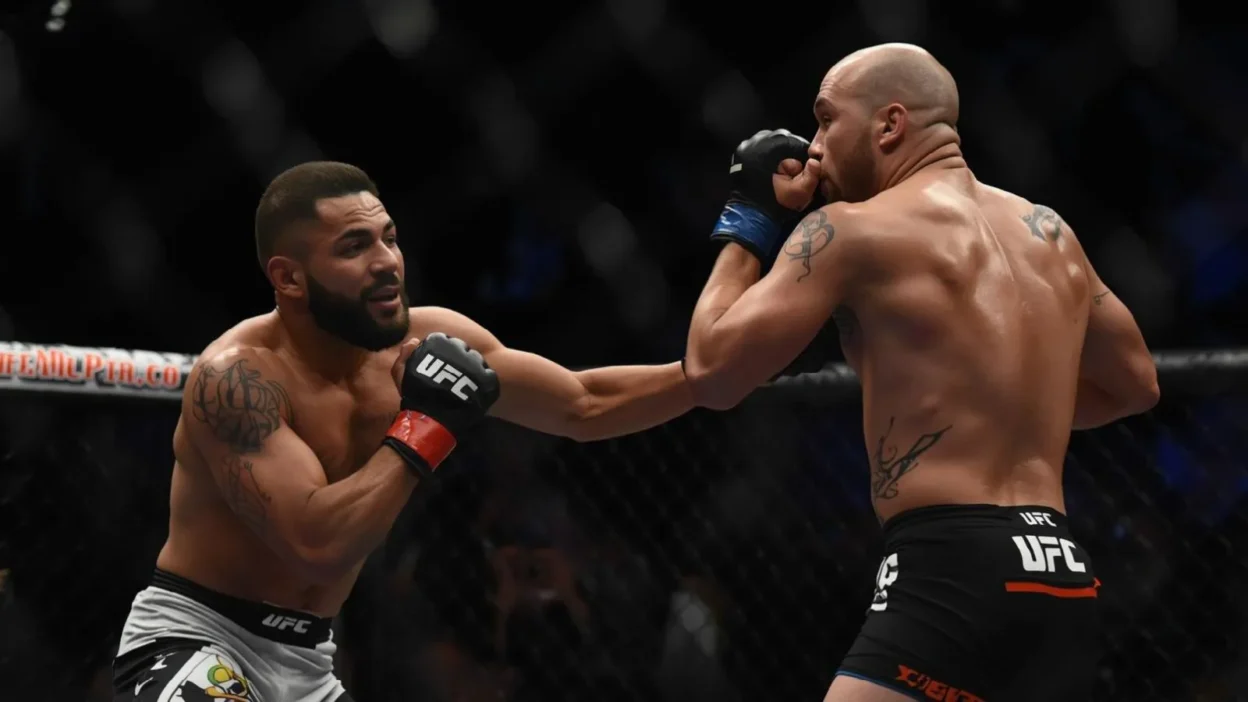
The UFC Lightweight division is widely regarded as one of the most thrilling and competitive weight classes in mixed martial arts. Balancing speed, power, and technical skill, lightweight fighters deliver some of the most memorable moments in UFC history.
From grappling masters to knockout artists, this division has produced legends like Khabib Nurmagomedov, BJ Penn, and Charles Oliveira, whose fights continue to captivate fans worldwide.
Every bout in the lightweight class carries high stakes, as fighters showcase a combination of precision striking, relentless endurance, and strategic intelligence. Whether you’re a seasoned MMA enthusiast or a casual fan, the lightweight division offers something for everyone dramatic title clashes, intense rivalries, and unforgettable finishes.
In this article, we’ll dive deep into the UFC Lightweight division, exploring its history, top fighters, fighting styles, rankings, iconic matches, and the future stars poised to shape the sport.
History of the UFC Lightweight Division
The UFC Lightweight division has a rich and dynamic history, evolving into one of the most competitive weight classes in mixed martial arts. Officially established in the UFC in the early 2000s, the division initially featured fighters weighing up to 155 pounds, offering a perfect balance between speed, agility, and striking power. Over the years, it has become a showcase for technical skill and strategic mastery, attracting some of the most talented fighters in MMA history.
Legendary athletes like BJ Penn, Frankie Edgar, and Sean Sherk helped define the division’s early years, combining precise striking with exceptional ground game skills. Their battles set the standard for future generations, demonstrating that lightweight fights are not just about power they demand stamina, intelligence, and adaptability.
As the division matured, iconic champions such as Benson Henderson, Rafael dos Anjos, and later Khabib Nurmagomedov brought international attention, dominating opponents with relentless grappling and tactical precision. The era of Khabib, in particular, highlighted the lightweight division’s global appeal, as fans across the world tuned in to witness his undefeated streak and unforgettable matchups.
Throughout its history, the UFC Lightweight division has delivered some of the sport’s most memorable fights, rivalries, and moments, cementing its status as a fan-favorite class where skill, heart, and strategy collide.
Current Lightweight Scene
The UFC Lightweight division today is one of the deepest and most competitive in mixed martial arts, featuring a mix of established champions, top contenders, and exciting rising stars. At the pinnacle is the current champion, Charles Oliveira, whose dynamic striking and elite Brazilian Jiu-Jitsu skills have made him a dominant force in the division. Oliveira’s ability to finish fights both on the feet and on the ground sets a high bar for anyone chasing the lightweight title.
Behind the champion, the top contenders include names like Islam Makhachev, Beneil Dariush, and Justin Gaethje, each bringing a unique fighting style and dangerous skill set. Makhachev, known for his elite wrestling and control, represents a new wave of technically precise fighters, while Gaethje is feared for his aggressive striking and knockout power. Dariush adds versatility, combining strong grappling with sharp submissions.
The division is also fueled by rising talents such as Mateusz Gamrot, Rafael Fiziev, and Arman Tsarukyan, who have been turning heads with impressive performances and victories over seasoned opponents. These emerging fighters keep the lightweight scene unpredictable and exciting, ensuring that every fight has high stakes and the potential for unforgettable moments.
With constant shifts in rankings and high-profile matchups, the UFC Lightweight division remains a central focus for fans and analysts alike, offering action-packed fights and intense competition week after week.
Fighting Styles in Lightweight
The UFC Lightweight division is known for its perfect balance between speed, power, and technical skill, which is reflected in the variety of fighting styles showcased by its athletes. Unlike heavier divisions that often rely heavily on knockout power, lightweight fighters must combine precision striking, effective grappling, and exceptional endurance to succeed.
Striking is a major component, with many lightweight fighters excelling in boxing, kickboxing, and Muay Thai. Fighters like Justin Gaethje and Rafael Fiziev are prime examples of striking specialists, using fast combinations, leg kicks, and powerful punches to overwhelm opponents while maintaining constant movement.
Grappling and submissions are equally crucial. Athletes such as Khabib Nurmagomedov and Charles Oliveira demonstrate how elite wrestling and Brazilian Jiu-Jitsu can control the pace of a fight. Lightweight grapplers rely on takedowns, ground control, and submission techniques, forcing opponents to defend strategically rather than simply striking back.
Cardio and conditioning also set lightweight fighters apart. With high-paced exchanges, extended fight durations, and quick recovery between rounds, stamina often becomes the deciding factor in close matchups. Fighters must maintain peak energy, execute complex combinations, and adapt their strategy throughout the fight.
This blend of striking, grappling, and relentless conditioning is what makes the lightweight division so dynamic. Fans can expect every fight to be a test of technique, speed, and endurance, often producing some of the most exciting and unpredictable bouts in UFC history.
Memorable Fights & Rivalries
The UFC Lightweight division has delivered some of the most thrilling and memorable fights in mixed martial arts history. Its combination of speed, skill, and endurance creates bouts that are both unpredictable and intense, often leaving fans on the edge of their seats.
One of the most iconic rivalries was between Khabib Nurmagomedov and Conor McGregor at UFC 229. This fight was not only a clash of stylesKhabib’s grappling versus McGregor’s striking but also a battle fueled by personal tension and global hype. Khabib’s dominant ground control and eventual submission victory cemented his legacy and became a defining moment for the division.
Another unforgettable rivalry involved Benson Henderson and Frankie Edgar, whose back-to-back fights showcased technical striking, resilience, and strategic intelligence. Henderson eventually claimed the lightweight title, but both bouts are remembered for their high skill level and intensity.
Charles Oliveira vs. Dustin Poirier is a more recent example of the division’s excitement, combining dynamic striking, precise submissions, and nonstop action. Oliveira’s ability to finish fights from virtually any position keeps fans engaged and demonstrates why lightweight matchups are so unpredictable.
These rivalries and memorable fights highlight the lightweight division’s appeal: a perfect mix of technique, heart, and drama. Each fight contributes to the division’s rich history, making lightweight bouts must-watch events for every MMA fan.
Rankings & Statistics
The UFC Lightweight division is widely regarded as one of the most competitive weight classes, and the rankings reflect the depth of talent within it. At the top sits Charles Oliveira, the reigning champion, known for his versatile skill set that combines elite Brazilian Jiu-Jitsu with knockout power. Just below him, contenders like Islam Makhachev, Justin Gaethje, and Beneil Dariush are consistently proving their worth through dominant performances and high-stakes victories.
Top 5 Lightweight Fighters (as of 2026):
- Charles Oliveira – Champion, 20+ UFC wins, multiple submission finishes
- Islam Makhachev – Elite wrestler, 12–1 UFC record
- Justin Gaethje – Striking powerhouse, 13–3 UFC record
- Beneil Dariush – Versatile grappler, 15–3 UFC record
- Rafael Fiziev – Dynamic striker, known for high-paced fights
Statistics highlight why the division is so competitive. Lightweight bouts often feature a high finish rate, with knockouts and submissions occurring in nearly 60% of fights. Fighters in this division average over 7 significant strikes landed per minute, emphasizing both speed and precision. Submission victories are also common, reflecting the prominence of Brazilian Jiu-Jitsu and wrestling in lightweight matchups.
These rankings and stats underscore the balance of skill, strategy, and athleticism in the division. Every fight can influence the rankings, making the lightweight class unpredictable and exciting for fans, analysts, and fighters alike.
Training & Preparation
Success in the UFC Lightweight division depends as much on preparation as on natural talent. Lightweight fighters are required to combine speed, power, endurance, and technique, and their training regimens reflect this multifaceted approach. Most athletes spend several hours a day training in striking, grappling, and conditioning to maintain peak performance.
Striking training includes boxing, kickboxing, and Muay Thai, focusing on precision, combinations, and defensive movement. Fighters like Justin Gaethje and Rafael Fiziev devote significant time to sharpening their stand-up skills, practicing head movement, counters, and explosive attacks to control the pace of the fight.
Grappling and wrestling are equally important. Fighters like Khabib Nurmagomedov and Charles Oliveira emphasize takedowns, positional control, and submissions. These athletes spend hours drilling techniques, live rolling, and developing strategies to dominate opponents on the ground.
Cardio and conditioning are the backbone of lightweight success. High-intensity interval training, sparring rounds, and endurance workouts ensure fighters can maintain energy and focus through all five rounds of a championship bout. Nutrition and weight management are also critical, as lightweight fighters must stay within the 155-pound limit while maximizing strength and stamina.
Mental preparation rounds out the regimen. Visualization, strategy planning, and studying opponents’ tendencies help fighters anticipate attacks and remain calm under pressure. The combination of technical skill, conditioning, and mental toughness is what makes UFC Lightweight athletes some of the most well-rounded competitors in MMA.
Lightweight Division in Pop Culture
The UFC Lightweight division has transcended the octagon, becoming a prominent feature in sports media and pop culture. With its combination of thrilling fights, dramatic rivalries, and charismatic fighters, the division has attracted fans far beyond traditional MMA audiences. High-profile athletes like Khabib Nurmagomedov, Charles Oliveira, and Conor McGregor have become global icons, appearing in documentaries, commercials, and social media campaigns that amplify their reach.
Major events featuring lightweight title fights consistently draw huge pay-per-view numbers, demonstrating the division’s appeal. For example, UFC 229, headlined by Khabib and McGregor, set records for viewership and social media engagement, showing how lightweight bouts can capture mainstream attention. Video games like the UFC series have also highlighted lightweight fighters, allowing fans to virtually experience their favorite athletes’ skills and fight strategies.
Documentaries, podcasts, and highlight reels often focus on the lightweight division, analyzing fight tactics, rivalries, and athlete journeys. Fans follow fighters closely on social media, engaging with training updates, behind-the-scenes content, and commentary on upcoming bouts.
The division’s influence extends to fashion, endorsements, and global MMA communities, inspiring new fighters and casual enthusiasts alike. By blending high-level competition with marketable personalities, the UFC Lightweight division has solidified its position not just as a sporting category, but as a cultural phenomenon with worldwide impact.
Predictions & Future of the Division
The UFC Lightweight division continues to evolve, with a mix of established champions, seasoned contenders, and emerging talent shaping its future. Charles Oliveira’s reign as champion has set a high standard, but challengers like Islam Makhachev and Justin Gaethje are constantly testing his dominance. Makhachev’s precise wrestling and strategic control suggest he could eventually claim the title, while Gaethje’s aggressive striking ensures every matchup remains unpredictable.
Rising stars such as Mateusz Gamrot, Rafael Fiziev, and Arman Tsarukyan are also making waves. Gamrot’s versatile striking and grappling combination, Fiziev’s dynamic stand-up skills, and Tsarukyan’s well-rounded approach indicate that the next generation of lightweight fighters is exceptionally skilled and adaptable. These athletes are likely to challenge the established hierarchy in the coming years, creating exciting matchups for fans.
The division’s future may also see shifts in fighting styles. Increasingly, lightweight fighters are blending traditional striking and grappling with innovative techniques, making bouts faster, more technical, and more unpredictable. With global talent entering the UFC, the lightweight class is expected to maintain its status as one of the most competitive divisions.
Fans can expect continued high-stakes bouts, legendary rivalries, and breakthrough performances. The UFC Lightweight division’s future promises a combination of skill, strategy, and heart that will keep MMA enthusiasts engaged for years to come.
How to Follow UFC Lightweight
For fans looking to stay updated on the UFC Lightweight division, there are multiple ways to track fights, rankings, and fighter news. One of the best ways to watch bouts live is through UFC Fight Pass, the official streaming service offering access to past and upcoming events, including exclusive preliminaries and behind-the-scenes content. Major pay-per-view events are also available through broadcasters like ESPN+, providing live coverage of championship fights and contender matchups.
Social media is another key resource. Fighters such as Charles Oliveira, Islam Makhachev, and Justin Gaethje actively post training updates, fight announcements, and personal insights on platforms like Instagram, Twitter, and X (formerly Twitter). Following these accounts gives fans an inside look at the preparation, lifestyle, and personalities of top lightweight athletes.
Dedicated MMA websites and news outlets, including MMA Fighting, Sherdog, and Bloody Elbow, provide up-to-date rankings, analysis, and fight previews. Podcasts and YouTube channels focused on the UFC also offer expert commentary and predictions, helping fans understand strategies and fighter strengths.
Finally, joining fan communities, forums, and discussion groups allows for engaging debates and interaction with fellow enthusiasts. Whether analyzing fight techniques, discussing rankings, or predicting outcomes, staying connected with these resources ensures fans never miss a moment in the fast-paced, action-packed world of the UFC Lightweight division.
Frequently Asked Questions
1. What is the UFC Lightweight division?
The UFC Lightweight division is for fighters weighing up to 155 pounds (70.3 kg). It is considered one of the most competitive divisions, combining speed, striking, and grappling skills.
2. Who is the current UFC Lightweight champion?
As of 2026, Charles Oliveira holds the UFC Lightweight championship. Known for his versatile Brazilian Jiu-Jitsu and dynamic striking, he has defended his title against top contenders in the division.
3. Who are the top contenders in the lightweight division?
Top contenders include Islam Makhachev, Justin Gaethje, Beneil Dariush, and rising stars like Mateusz Gamrot and Rafael Fiziev. Each fighter brings unique skills, from elite wrestling to explosive striking.
4. What are some of the most memorable lightweight fights?
Iconic fights include Khabib Nurmagomedov vs. Conor McGregor, Benson Henderson vs. Frankie Edgar, and Charles Oliveira vs. Dustin Poirier. These fights featured high-level skill, strategy, and unforgettable moments.
5. How can I follow UFC Lightweight fights and rankings?
Fans can watch events on UFC Fight Pass or ESPN+, follow fighters on social media, and read news from MMA websites like Sherdog or MMA Fighting. Podcasts and fan communities also provide analysis and predictions.
6. Why is the lightweight division so popular?
It combines speed, technique, endurance, and heart. Fighters are versatile, fights are fast-paced and dramatic, and the division consistently produces historic moments in UFC history.
Conclusion
The UFC Lightweight division remains one of the most exciting and dynamic classes in mixed martial arts. With a perfect balance of speed, power, and technical skill, lightweight fighters consistently deliver thrilling performances that capture the attention of fans worldwide. From legendary champions like Khabib Nurmagomedov and BJ Penn to modern stars such as Charles Oliveira and Justin Gaethje, the division has produced unforgettable moments that have shaped the history of the UFC.
What makes lightweight fighters truly special is their versatility. They can strike with precision, grapple with intensity, and maintain stamina throughout every grueling round. These athletes combine mental toughness with physical excellence, ensuring that every fight is both unpredictable and action-packed. Iconic rivalries and high-stakes bouts add drama and excitement, while emerging stars continue to push the division forward, promising new eras of talent and skill.
For fans, analysts, and aspiring fighters, following the UFC Lightweight division offers insight into the evolution of MMA, from fighting strategies to athlete preparation. By staying updated on rankings, upcoming bouts, and fighter developments, enthusiasts can fully appreciate the athleticism and strategy that define this weight class. The UFC Lightweight division is more than just a weight category it is a showcase of heart, skill, and competition at its finest, and its future promises even more thrilling moments for years to come.

I’m Leo, the Pun Master behind Punsboxx.com. I turn everyday words into laugh-worthy puns that’ll tickle your brain and brighten your day!