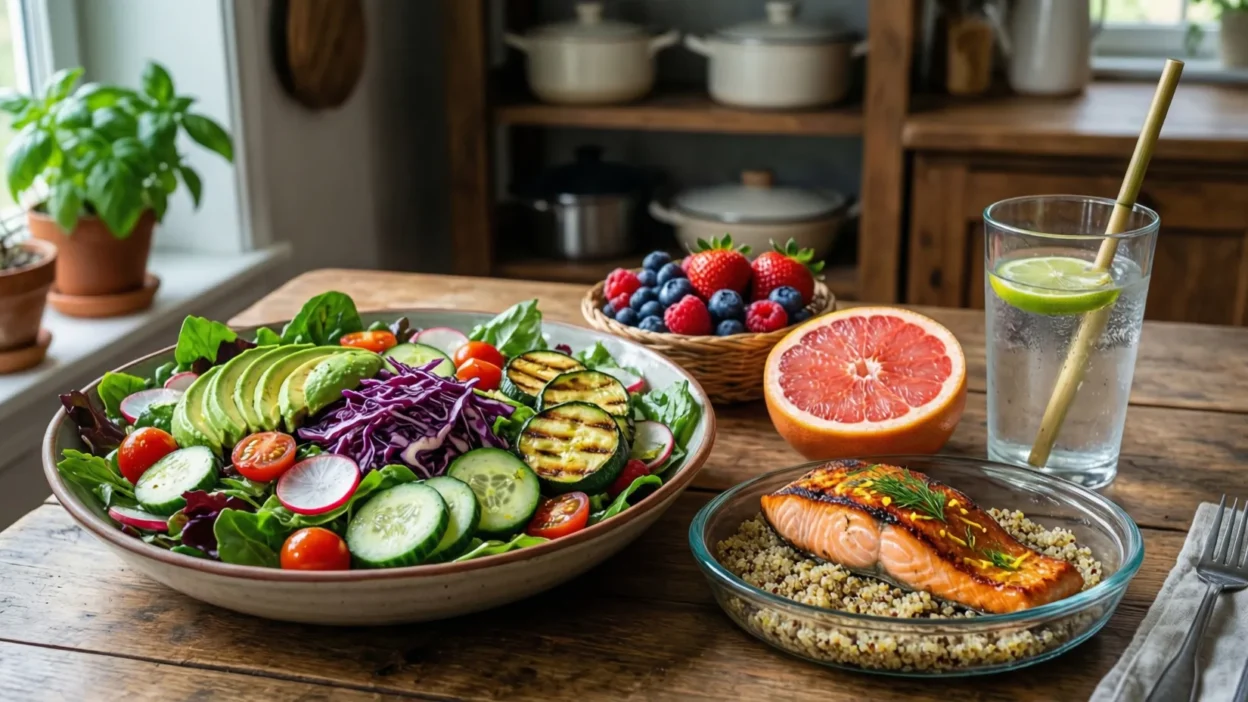
Losing weight isn’t just about cutting calories it’s about choosing the right foods that nourish your body, curb cravings, and support your metabolism. The foods you eat can either accelerate fat loss or make shedding pounds much harder.
By focusing on nutrient-dense, filling, and metabolism-boosting foods, you can create a sustainable weight loss plan without feeling deprived. From high-protein options that keep you full longer, to fiber-rich fruits and vegetables that stabilize blood sugar, the right diet can make a huge difference.
Healthy fats, metabolism-boosting spices, and carefully selected snacks also play a key role in supporting your goals. In this article, we’ll dive into the best foods for weight loss, explain why they work, and provide practical tips for incorporating them into your daily meals. Whether you’re just starting your journey or looking for smarter food choices, this guide has you covered.
How Food Affects Weight Loss
When it comes to losing weight, not all calories are created equal. The foods you choose don’t just provide energy they influence your metabolism, appetite, and how your body stores fat. Understanding these effects can help you make smarter food choices that support sustainable weight loss.
One of the most important factors is satiety, or how full a food makes you feel. Foods high in protein and fiber slow digestion, reduce hunger, and help control cravings, making it easier to eat fewer calories without feeling deprived. On the other hand, highly processed foods, refined carbs, and sugary snacks can spike blood sugar and trigger sudden hunger, leading to overeating.
Certain foods can also slightly boost your metabolism through a process called thermogenesis, where your body burns extra calories digesting and processing food. Lean proteins, spicy foods, and green tea are examples that have this effect.
Additionally, the nutrient quality of foods matters. Vitamins, minerals, and healthy fats help regulate hormones that control appetite, energy levels, and fat storage. For example, omega-3 fatty acids in fish can improve insulin sensitivity and reduce inflammation, both of which are important for weight management.
By understanding how different foods affect fullness, metabolism, and hormone balance, you can strategically choose meals that make losing weight easier and more sustainable.
Top Foods That Help You Lose Weight
Choosing the right foods is key to achieving sustainable weight loss. Certain foods are not only low in calories but also packed with nutrients that boost fullness, support metabolism, and promote fat loss.
1. Lean Proteins: Foods like chicken, turkey, fish, eggs, and tofu are rich in protein, which helps preserve muscle while losing fat. Protein also takes more energy to digest, slightly increasing calorie burn and keeping you fuller for longer.
2. High-Fiber Foods: Vegetables, fruits, beans, lentils, and whole grains are excellent sources of fiber. Fiber slows digestion, stabilizes blood sugar, and prevents sudden hunger pangs. Incorporating fiber-rich foods into meals can help you eat less naturally without feeling deprived.
3. Healthy Fats: Avocados, nuts, seeds, olive oil, and fatty fish contain good fats that increase satiety and support hormone balance. Despite being calorie-dense, they prevent overeating when used in moderation and paired with protein and fiber.
4. Low-Calorie, Nutrient-Dense Foods: Leafy greens, berries, cucumbers, and zucchini fill your plate with minimal calories while providing essential vitamins and minerals. These foods allow you to eat larger portions without overconsuming calories.
5. Metabolism-Boosting Foods: Green tea, chili peppers, and certain spices can slightly increase calorie burn through thermogenesis. While not a magic solution, including them in meals can complement a balanced diet.
By combining these foods strategically, you can create meals that satisfy hunger, fuel your body, and accelerate fat loss naturally.
Foods to Limit or Avoid for Weight Loss
While including the right foods is essential for weight loss, avoiding or limiting certain foods can be just as important. Many foods contribute to excess calorie intake, blood sugar spikes, and fat storage, making it harder to shed pounds.
1. Highly Processed Foods: Packaged snacks, sugary cereals, and fast foods are often high in refined carbs, added sugars, and unhealthy fats. These foods are calorie-dense but low in nutrients, leading to quick hunger rebounds and overeating.
2. Sugary Beverages: Soft drinks, energy drinks, and sweetened coffee or tea provide empty calories that do not fill you up. Liquid sugar is easily absorbed, causing blood sugar spikes and promoting fat storage, especially around the belly.
3. Refined Carbs: White bread, pastries, pasta, and white rice can trigger insulin spikes and increase hunger shortly after eating. Over time, frequent consumption may hinder weight loss.
4. Unhealthy Fats: Deep-fried foods, processed meats, and snacks with trans fats can increase calorie intake while negatively affecting heart health. Unlike healthy fats, these fats don’t promote satiety and can lead to fat gain.
5. Excess Alcohol: Alcohol adds calories without nutrition and can weaken willpower, leading to poor food choices. It also affects metabolism and fat storage.
Limiting these foods doesn’t mean total elimination/moderation is key. By reducing their intake and replacing them with nutrient-dense alternatives, you can accelerate fat loss, stabilize blood sugar, and feel more energized throughout the day.
Meal Planning and Practical Tips
Eating the right foods is only part of the weight loss equation how you plan and structure your meals can make a significant difference. Smart meal planning helps prevent overeating, reduces reliance on processed foods, and keeps your energy levels stable throughout the day.
1. Build a Balanced Plate: Aim to fill half your plate with vegetables, one-quarter with lean protein, and one-quarter with whole grains or healthy fats. This combination ensures satiety while providing essential nutrients.
2. Prepare Snacks Ahead: Healthy snacks like nuts, Greek yogurt, fruit, or hummus with vegetables can prevent impulsive, high-calorie choices when hunger strikes. Keeping them ready makes healthy eating convenient.
3. Stay Hydrated: Drinking water before meals can reduce appetite and prevent mistaking thirst for hunger. Herbal teas are also a great low-calorie alternative.
4. Shop Smart: Stick to the perimeter of the grocery store where fresh produce, lean meats, and dairy are located. Avoid aisles with processed snacks and sugary treats to minimize temptation.
5. Mindful Cooking: Opt for grilling, baking, steaming, or sautéing instead of frying. Use spices and herbs to enhance flavor without added calories.
6. Track and Plan: Maintaining a food journal or using a tracking app can help you stay aware of portions, nutrient balance, and calorie intake. Planning meals in advance ensures consistency and reduces the likelihood of unhealthy choices.
By combining thoughtful meal planning with nutrient-dense foods, you can create a sustainable routine that supports weight loss and overall health.
Common Myths About Weight-Loss Foods
Weight loss can be confusing, partly because of the many myths and misconceptions surrounding foods and diets. Understanding the facts can prevent frustration and help you make better choices.
Myth 1: “All fats make you fat.”
Not all fats are created equal. Healthy fats, such as those found in avocados, nuts, seeds, and olive oil, actually support weight loss by increasing satiety and regulating hormones. The key is moderation overeating any calorie-dense food can hinder progress.
Myth 2: “Carbs are always bad for weight loss.”
Carbohydrates are the body’s primary energy source, and cutting them entirely can be counterproductive. The problem lies in refined carbs like white bread, pastries, and sugary drinks. Fiber-rich, whole-food carbs like fruits, vegetables, and whole grainspromote fullness and provide essential nutrients.
Myth 3: “Skipping meals helps you lose weight faster.”
Skipping meals can slow metabolism, increase hunger, and trigger overeating later. Eating regular, balanced meals with protein, fiber, and healthy fats keeps energy levels stable and prevents cravings.
Myth 4: “Certain foods melt fat instantly.”
No single food magically burns fat. Weight loss comes from consistent healthy eating, calorie control, and activity. Foods like green tea or chili peppers may slightly boost metabolism but cannot replace a balanced diet.
By understanding these myths and focusing on evidence-based choices, you can avoid pitfalls, stay motivated, and make real progress toward sustainable weight loss.
Sample Meal Ideas and Recipes
Incorporating weight-loss-friendly foods into your daily meals doesn’t have to be complicated. Here are practical examples to help you plan balanced, satisfying meals:
Breakfast:
- High-Protein Smoothie: Blend Greek yogurt, spinach, frozen berries, and a scoop of protein powder for a filling start to the day.
- Oatmeal with Fruit and Nuts: Use rolled oats, top with berries, chia seeds, and a few almonds for fiber and healthy fats.
Lunch:
- Grilled Chicken Salad: Combine mixed greens, cherry tomatoes, cucumbers, avocado, and grilled chicken breast with a drizzle of olive oil and lemon juice.
- Quinoa & Veggie Bowl: Mix cooked quinoa with roasted vegetables, chickpeas, and a sprinkle of seeds for a fiber-rich, nutrient-packed meal.
Dinner:
- Baked Fish with Roasted Vegetables: Salmon or cod paired with broccoli, carrots, and zucchini, roasted in olive oil and herbs.
- Stir-Fried Tofu & Veggies: Lightly sauté tofu with bell peppers, mushrooms, and snap peas in a low-sodium soy sauce.
Snacks:
- Greek yogurt with berries or a handful of nuts.
- Hummus with cucumber or carrot sticks.
- Fresh fruit, like an apple or a small banana.
These meal ideas are designed to balance protein, fiber, and healthy fats, helping you stay full while keeping calorie intake in check. By planning ahead, you can avoid unhealthy temptations and enjoy delicious, weight-loss-friendly meals every day.
Lifestyle Tips to Enhance Food-Based Weight Loss
While choosing the right foods is crucial for weight loss, lifestyle habits play an equally important role in achieving and maintaining results. Combining healthy eating with supportive daily routines can accelerate fat loss and improve overall well-being.
1. Regular Exercise: Incorporate both cardio and strength training to burn calories, preserve muscle, and boost metabolism. Even moderate activities like walking, cycling, or yoga contribute significantly when combined with a balanced diet.
2. Mindful Eating: Pay attention to hunger and fullness cues. Eating slowly and avoiding distractions, such as phones or TV, helps prevent overeating and encourages healthier portion control.
3. Sleep and Stress Management: Poor sleep and high stress can increase hunger hormones, reduce metabolism, and lead to cravings for unhealthy foods. Aim for 7–9 hours of quality sleep and practice stress-reducing techniques like meditation, deep breathing, or light exercise.
4. Track Progress: Keeping a food journal or using a nutrition app can increase awareness of portion sizes, calorie intake, and nutrient balance. Tracking progress also helps identify areas for improvement and keeps motivation high.
5. Consistency Over Perfection: Small, consistent changes in diet and lifestyle produce better long-term results than extreme or short-term measures. Focus on gradual improvements and sustainable habits.
By combining nutrient-dense foods with healthy lifestyle practices, you create a holistic approach to weight loss that not only sheds pounds but also enhances energy, mood, and overall health.
FAQs: Foods That Help You Lose Weight
1. Can I lose weight by eating only “fat-burning” foods?
No single food can magically burn fat. Weight loss occurs through a combination of calorie control, balanced nutrition, and regular physical activity. Fat-burning foods like green tea, chili peppers, or high-protein meals can support the process but are not a standalone solution.
2. Are all carbs bad for weight loss?
Not at all. Refined carbs like white bread and pastries should be limited, but whole-food carbohydrates like fruits, vegetables, and whole grains are essential. They provide fiber, nutrients, and sustained energy while helping you feel full.
3. How important is protein for weight loss?
Protein is extremely important. It preserves muscle mass, boosts metabolism, and keeps you full longer. Aim to include a source of lean protein, such as chicken, fish, tofu, or legumes, in each meal.
4. Can I snack while trying to lose weight?
Yes, healthy snacks can actually support weight loss if they’re nutrient-dense and portion-controlled. Examples include nuts, Greek yogurt, fruits, or veggie sticks with hummus.
5. How long does it take to see results from eating weight-loss foods?
Results vary depending on metabolism, activity level, and overall diet. Consistent healthy eating paired with regular exercise can typically show noticeable results in a few weeks. Patience and consistency are key.
Conclusion
Losing weight is not about quick fixes or extreme diets it’s about making smart, sustainable choices that nourish your body while supporting fat loss. The foods you include in your meals play a pivotal role in this process. Lean proteins, high-fiber vegetables and fruits, healthy fats, and metabolism-boosting foods help control hunger, stabilize blood sugar, and improve energy levels, making weight loss easier and more sustainable.
Equally important is knowing which foods to limit or avoid. Highly processed snacks, sugary drinks, refined carbs, unhealthy fats, and excessive alcohol can sabotage your progress. Moderation and mindful eating, paired with nutrient-dense alternatives, allow you to stay on track without feeling deprived.
Meal planning, portion control, and practical strategies like preparing healthy snacks, staying hydrated, and using spices for flavor make it easier to stick to your goals. Combined with supportive lifestyle habits such as regular exercise, adequate sleep, and stress management, these approaches create a holistic weight-loss plan that is both effective and maintainable.
Remember, consistency is more important than perfection. Small, gradual changes in your diet and daily habits often lead to the most lasting results. Start by incorporating the foods and tips outlined in this article into your meals today, and you’ll be on your way to achieving a healthier, leaner, and more energized version of yourself.

I’m Elijah, the mind behind Punsboxx.com. As a true Pun Master, I love twisting words into clever laughs and serving fresh humor that never goes out of style!