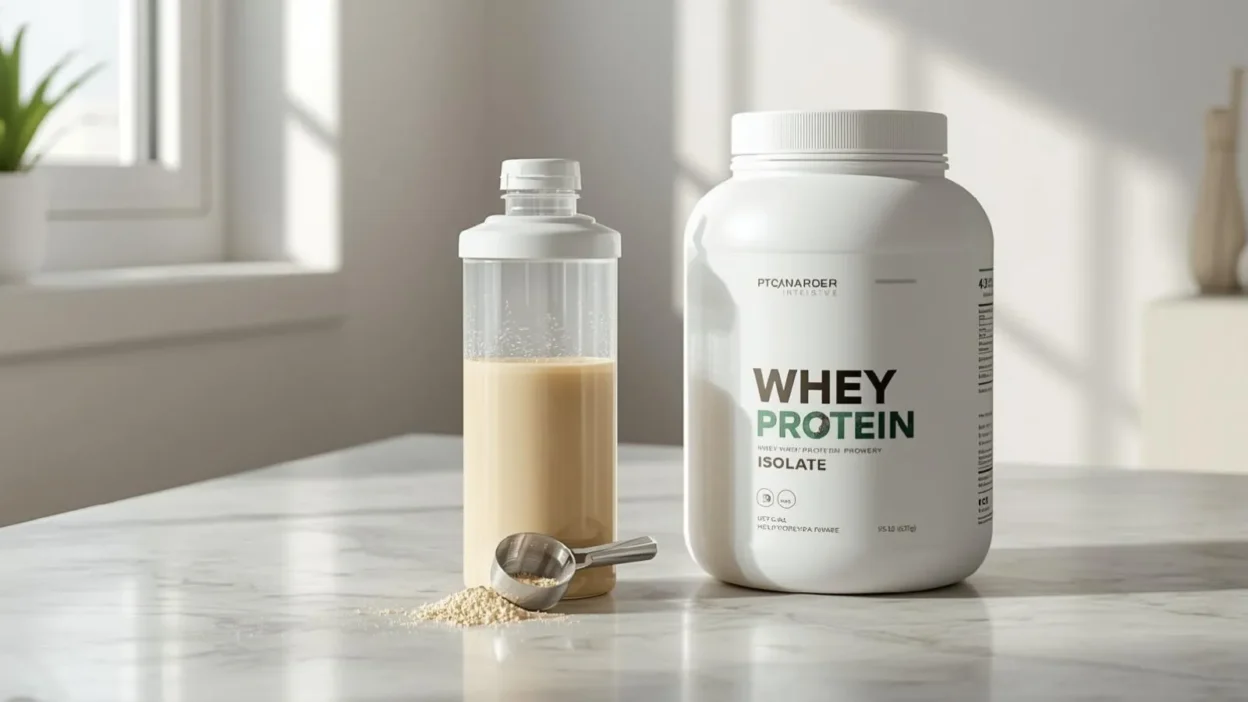
Trying to lose weight can feel frustrating especially when hunger, cravings, and low energy keep getting in the way. That’s why protein plays such a powerful role in successful fat loss. Getting enough protein helps you feel full for longer, preserve lean muscle, and stay consistent with a calorie deficit. For many people, protein powder is one of the easiest ways to increase protein intake without adding excess calories.
But not all protein powders are good for weight loss. Some are packed with sugar, unnecessary fats, or calories that can slow your progress rather than support it. Choosing the best protein powder for weight loss isn’t about picking the most popular brandit’s about understanding which type of protein fits your goals, diet, and lifestyle.
In this guide, you’ll learn how protein powder supports weight loss, what to look for on nutrition labels, and which types of protein work best for fat loss so you can make a smart, confident choice that actually delivers results.
How Protein Helps With Weight Loss
Protein is one of the most effective nutrients for weight loss because it directly influences hunger, metabolism, and body composition. Compared to carbohydrates and fats, protein has a much stronger effect on satiety, meaning it helps you feel full for longer after eating. This happens because protein increases appetite-regulating hormones while reducing hunger hormones, which naturally leads to lower calorie intake throughout the day.
Another major benefit of protein is its high thermic effect. Your body burns more calories digesting and metabolizing protein than it does with carbs or fats. While this doesn’t replace exercise or a calorie deficit, it does slightly increase daily energy expenditure, making fat loss more efficient over time.
Protein is also critical for preserving lean muscle during weight loss. When calories are reduced, the body can break down muscle for energy if protein intake is too low. Maintaining muscle is important because muscle tissue helps keep your metabolism higher, preventing the “skinny fat” look and reducing the risk of weight regain.
Protein powder makes it easier to meet daily protein needs without excessive calories. It provides a concentrated source of high-quality protein that supports fat loss while improving consistency especially for people with busy schedules or reduced appetites.
What Makes a Protein Powder Good for Weight Loss
Not all protein powders support weight loss, even if they’re labeled as “healthy” or “high protein.” The most important factor to look at is the protein-to-calorie ratio. A good protein powder for weight loss should provide a high amount of protein with relatively few calories. Ideally, you want at least 20–25 grams of protein per serving with no more than 120–150 calories.
Calories matter because weight loss ultimately depends on maintaining a calorie deficit. Some protein powders contain added sugars, oils, or fillers that significantly increase calorie content without improving satiety. Checking the nutrition label for hidden sugars and excessive carbohydrates is essential.
Fat content is another key consideration. While small amounts of fat can help with fullness, higher-fat protein powders may not be ideal if you’re closely managing calories. For most people focused on fat loss, lower-fat options offer better control.
Digestibility also plays a major role in consistency. If a protein powder causes bloating, stomach discomfort, or gas, it’s less likely you’ll use it regularly. People who are sensitive to lactose may benefit from whey isolate or plant-based proteins, which are typically easier to digest.
Ultimately, the best protein powder for weight loss is one that fits your calorie needs, digests well, and helps you stay full making it easier to stick to your nutrition plan long term.
Types of Protein Powders: Which Is Best for Weight Loss?
Choosing the right type of protein powder can make a noticeable difference in weight loss results. Each type has unique benefits depending on calories, digestion speed, and satiety.
Whey protein is one of the most popular options and is especially effective for fat loss. Whey isolate is typically the best choice because it contains more protein per calorie, very little fat, and minimal lactose. Whey concentrate is slightly higher in calories and fat but can still work if total calories are controlled.
Casein protein digests slowly, releasing amino acids over several hours. This makes it useful for appetite control, especially in the evening when cravings tend to increase. However, casein is usually higher in calories than whey isolate and may not be ideal as a primary protein source during aggressive fat loss.
Plant-based protein powders, such as pea, rice, or blended formulas, are excellent alternatives for those avoiding dairy. While individual plant proteins may have slightly lower amino acid profiles, high-quality blends can provide comparable benefits for weight loss. They are often easier to digest and naturally lower in fat.
Collagen protein is sometimes marketed for weight loss, but it lacks key amino acids needed for muscle preservation. It’s best used as a supplement tonot a replacement for complete protein sources.
For most people, whey isolate or a high-quality plant-based blend offers the best balance of protein, calories, and digestibility for weight loss.
Best Protein Powder for Weight Loss (By Category)
There is no single protein powder that works best for everyone, which is why choosing the right option depends on your goals, preferences, and dietary needs. Instead of focusing on specific brands, it’s more helpful to look at the best protein powder by category.
Best overall protein powder for weight loss:
Whey isolate is often the top choice because it delivers a high amount of protein with minimal calories, fat, and sugar. It digests quickly, supports muscle retention, and fits easily into a calorie deficit.
Best low-calorie protein powder:
Ultra-filtered whey isolate or clear whey proteins are ideal for aggressive fat loss phases. These options provide maximum protein with very few calories, making them suitable for people closely tracking intake.
Best plant-based protein powder:
A blended plant protein that combines sources like pea, rice, and hemp offers better amino acid balance and improved satiety. Look for products with minimal added sugars and at least 20 grams of protein per serving.
Best protein powder for beginners:
For beginners, taste, mixability, and digestion matter most. A simple whey isolate or plant blend with short ingredient lists helps build consistency without discomfort.
Best protein powder for appetite control:
Casein protein works well for managing hunger, particularly in the evening, thanks to its slow digestion.
Choosing the right category helps ensure your protein powder supports fat loss rather than adding unnecessary calories or frustration.
How to Use Protein Powder for Weight Loss
Using protein powder correctly is just as important as choosing the right type. When used strategically, protein powder can help control hunger, support muscle retention, and make a calorie deficit easier to maintain.
One of the most effective ways to use protein powder for weight loss is as a meal replacement. Replacing one meal per day with a high-protein shake can reduce overall calorie intake while still providing enough protein to keep you full. Adding fiber-rich ingredients like berries, spinach, or chia seeds can further improve satiety without significantly increasing calories.
Protein powder is also useful between meals. A protein shake or mixed protein drink can help reduce cravings and prevent overeating at your next meal. This approach works especially well for people who struggle with afternoon or late-night snacking.
Post-workout protein supports muscle preservation during weight loss. While timing is less critical than total daily intake, consuming protein after resistance training can help protect lean muscle and support recovery.
For those who experience hunger at night, protein before beds, especially because can help reduce late-night cravings and improve fullness while sleeping.
Regardless of timing, protein powder should complement a balanced diet, not replace all whole foods. Consistency and total daily calories ultimately determine weight loss success.
Common Mistakes That Prevent Weight Loss Results
Protein powder can be a helpful weight loss tool, but only when it’s used correctly. One of the most common mistakes is adding protein shakes on top of regular meals instead of using them to replace higher-calorie foods. Even healthy protein contains calories, and consuming too much can stall fat loss.
Another frequent issue is choosing the wrong type of protein powder. Many people unknowingly use mass gainers or “bulking” formulas, which are high in carbohydrates, fats, and calories. These products are designed for weight gain, not fat loss, and can quickly push you out of a calorie deficit.
Some people assume that more protein automatically leads to faster weight loss. While protein is beneficial, excessive intake doesn’t compensate for poor calorie control or lack of consistency. Weight loss still depends on overall energy balance.
Ignoring digestion is another overlooked mistake. If a protein powder causes bloating or discomfort, it often leads to skipped servings or inconsistency. Poor digestion can also affect appetite and food choices later in the day.
Finally, relying on protein powder without resistance training limits results. Protein helps preserve muscle, but without strength training, muscle loss can still occur during weight loss.
Avoiding these mistakes ensures protein powder supports your goals instead of quietly working against them.
Protein Powder vs Whole Food for Weight Loss
When trying to lose weight, many people wonder whether protein powder is better than whole food protein sources. The truth is that both can play an important role, depending on lifestyle, preferences, and consistency.
Whole food protein sources such as chicken, fish, eggs, Greek yogurt, legumes, and tofu provide additional nutrients like vitamins, minerals, and fiber that protein powders often lack. These foods are generally more satisfying because they require chewing and take longer to digest, which can help control appetite. For most people, whole foods should form the foundation of a weight loss diet.
Protein powder, however, offers a level of convenience that whole foods cannot always provide. It allows you to quickly increase protein intake with minimal preparation and precise calorie control. This makes protein powder especially useful for busy schedules, reduced appetites, or situations where preparing a full meal isn’t practical.
Protein powder can also improve adherence to a calorie deficit. Instead of skipping meals or reaching for high-calorie snacks, a protein shake can provide structure and prevent overeating later in the day.
The most effective approach is to combine both. Prioritize whole food protein at meals, and use protein powder strategically to fill gaps, replace occasional meals, or manage hunger between meals. This balanced strategy supports fat loss while ensuring adequate nutrition and long-term sustainability.
Frequently Asked Questions About Protein Powder and Weight Loss
Is protein powder necessary for weight loss?
No, protein powder is not required for weight loss. However, it can make reaching daily protein targets easier, especially for people with busy lifestyles or reduced appetites. It’s a tool for convenience, not a necessity.
Can protein powder cause weight gain?
Protein powder can lead to weight gain if it pushes you into a calorie surplus. When used within a calorie deficit, it supports fat loss by improving satiety and muscle retention.
Is whey protein good for weight loss?
Yes, whey protein, especially whey isolate is one of the best options for weight loss. It’s high in protein, low in calories, and easy to digest for most people.
How many protein shakes per day should I have for weight loss?
Most people do well with one to two protein shakes per day. This depends on total calorie intake, protein needs, and how much protein you get from whole foods.
Can I replace meals with protein shakes every day?
Replacing one meal per day is generally safe and effective for weight loss. Replacing all meals is not recommended, as whole foods provide essential nutrients that protein powder alone cannot.
Is plant-based protein effective for fat loss?
Yes, high-quality plant-based protein powders can support fat loss when they provide sufficient protein and are low in added sugars and calories.
Final Verdict: What Is the Best Protein Powder for Weight Loss?
The best protein powder for weight loss is the one that helps you stay consistent in a calorie deficit while keeping you full, energized, and satisfied. For most people, whey protein isolate stands out as the top choice because it offers a high protein-to-calorie ratio, minimal fat and sugar, and excellent digestibility. That said, a high-quality plant-based protein blend can be just as effective for those who avoid dairy or prefer vegan options.
It’s important to remember that protein powder is a tool, not a magic solution. Weight loss depends on total calorie intake, regular movement, and sustainable habits. Protein powder simply makes those habits easier by reducing hunger, supporting muscle retention, and improving dietary consistency.
Choosing the right protein powder means reading nutrition labels carefully, avoiding unnecessary additives, and selecting a product that fits your lifestyle and preferences. Whether you use it as a meal replacement, a snack between meals, or post-workout support, protein powder should complement a balanced diet built around whole foods.
Ultimately, the “best” protein powder is the one you enjoy, tolerate well, and can use consistently over time. When used strategically, protein powder can be a powerful ally in achieving lasting, healthy weight loss without unnecessary restriction or frustration.

I’m Luca, the voice behind Punsboxx.com, where I create simple, clever puns to make people smile with everyday humor.